100 Hour Yoga Teacher Training in Thailand
About Yoga Teacher Training Course Thailand
Every single step contributes to achieving your ultimate goal. If you are planning to sign up for this 12-Day or 100 hours teacher training course in Thailand , you are on the right track.
Himalayan Yoga association Thailand offers short-term Ashtanga, Hatha, and Vinyasa flow-based multi-style Yoga Teacher Training courses that provide you the ideal platform to begin your journey as a Yoga teacher or chisel your skills further for better knowledge, practice, and self-growth.
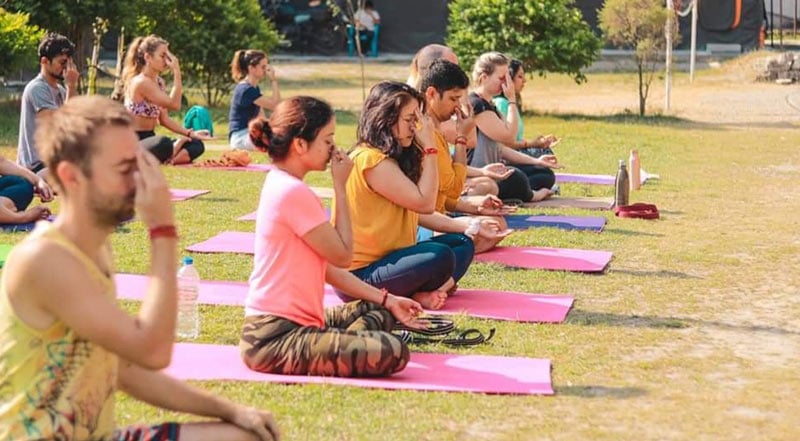
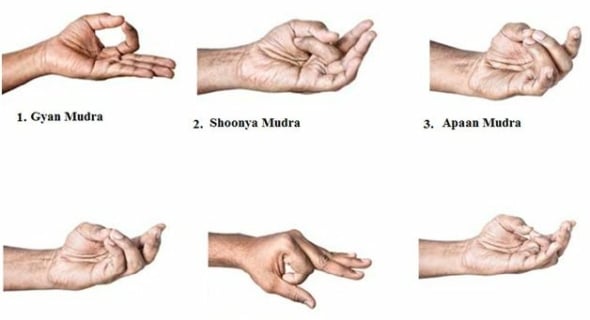
The course merges the traditional with modern teaching techniques of yoga and is a part of a 200-Hours yoga teacher training course. The students enrolling for this course will learn about mantra chanting, yoga postures, pranayama (breathing practices), mudras (yoga gestures), bandhas (energy lock), yoga philosophy (yoga Darshana), meditation, yoga Nidra, and yoga cleansing.
Our 100 hours course offers a sneak peek into the subtle forces of the body leading to self-realization. It sets you free from various miseries and lets you eventually fly freely like an uncaged bird.
This 100 hours course is for those students who wish to pursue a 200 hours course in two installments. The completion of this short course will be regarded as the first semester, while another 100-hour course can be taken up anytime as per the convenience of the students, which will be considered the second semester. After the completion of both semesters, the certification of 200 Hours certified yoga teacher training course will be provided which will enable you to teach as Himalayan yoga association Thailand certified yoga teacher anywhere in the world.

In this course, the theoretical part of the teaching methodology along with its practical application is taught to give you the perfect initiation for becoming a yoga teacher.
The road to yogic life is long but gives one opportunity to look within, analyze, self-correct, and re-learn the right way of living a joyful life. Our mission is to help you mold into a better version through self-discipline and dedicated practice.
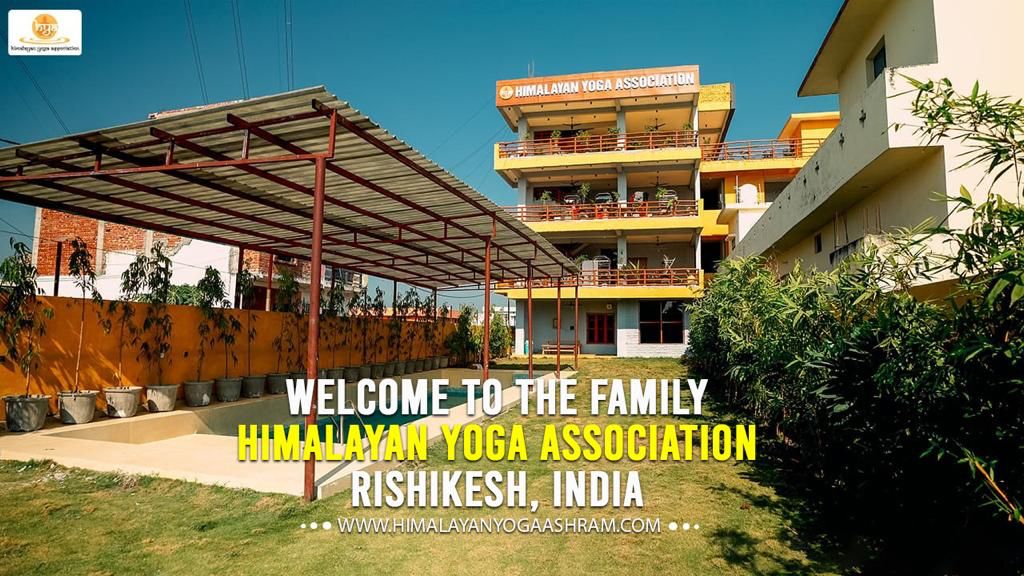
Location– Himalayan Yoga Association is located in Phuket (the heart of Thailand) Very peaceful location with a complete home feeling, 10 mins walking distance to market, cafes, temples, waterfalls, beaches are close to the school.
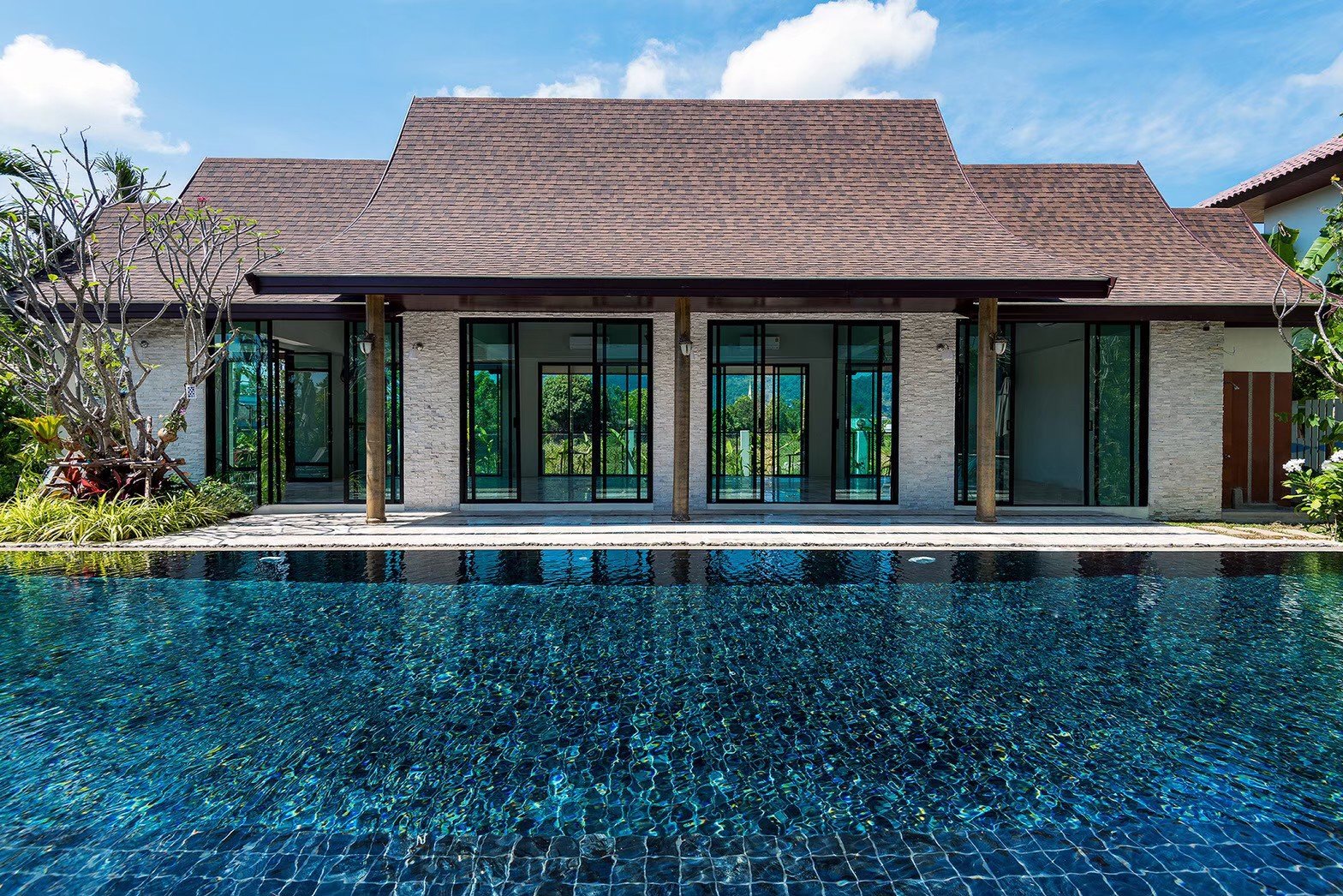
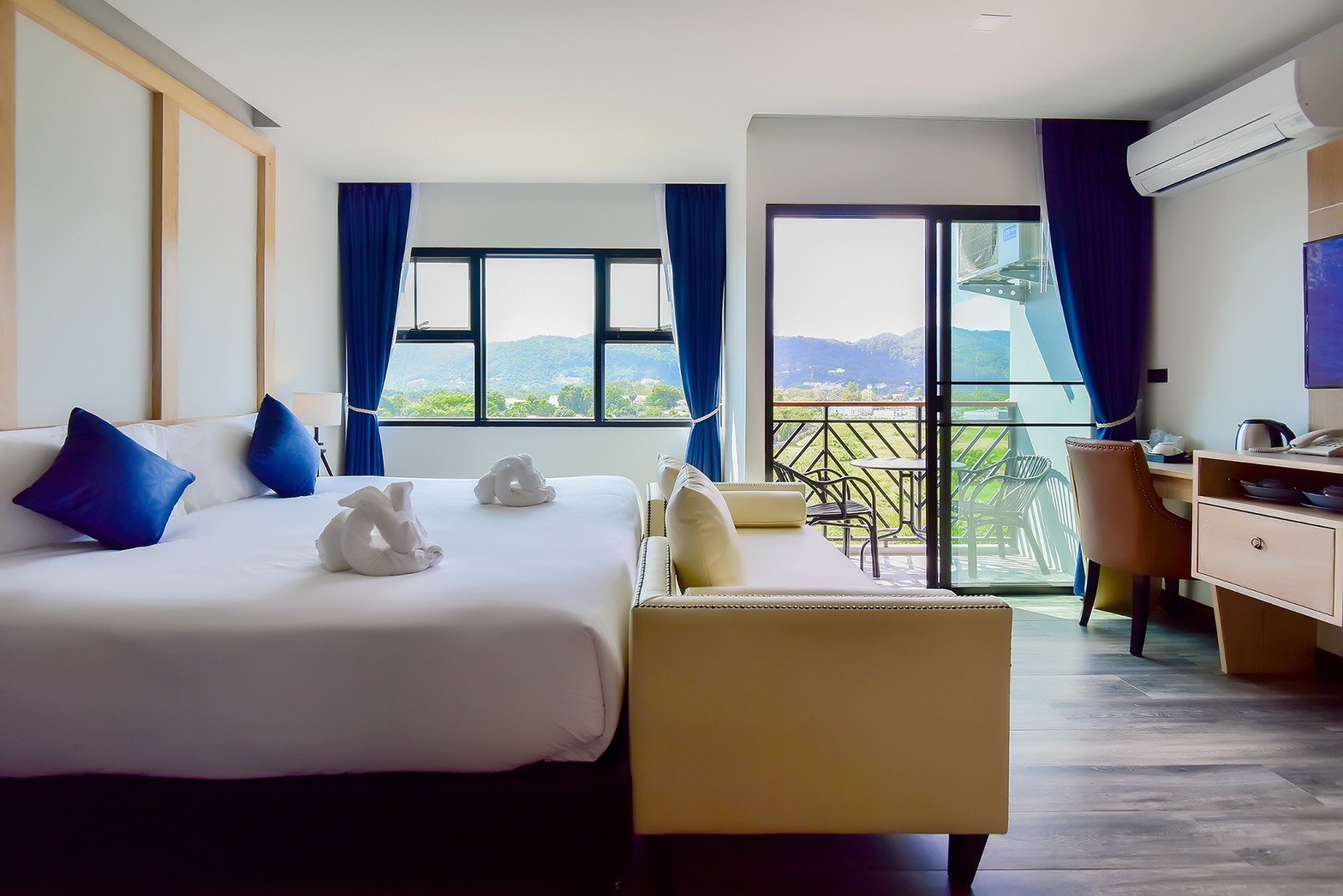
Accommodation– The accommodation offers guests a tranquil, rejuvenating, home away from home experience, each room is spacious and has its own private bathroom with all modern western facilities, we have also an outdoor swimming pool, Wifi, filtered water, tea facility and so on.
In the land of smiles, peace and harmony reign- the perfect setting to embark on a journey of self-discovery through nature, culture, and the historical art of yoga With experienced teachers coming from India, students can enjoy the serenity of Thailand combined with the valuable guidance of authentic practitioners of Himalayan Yoga Association in Thailand.
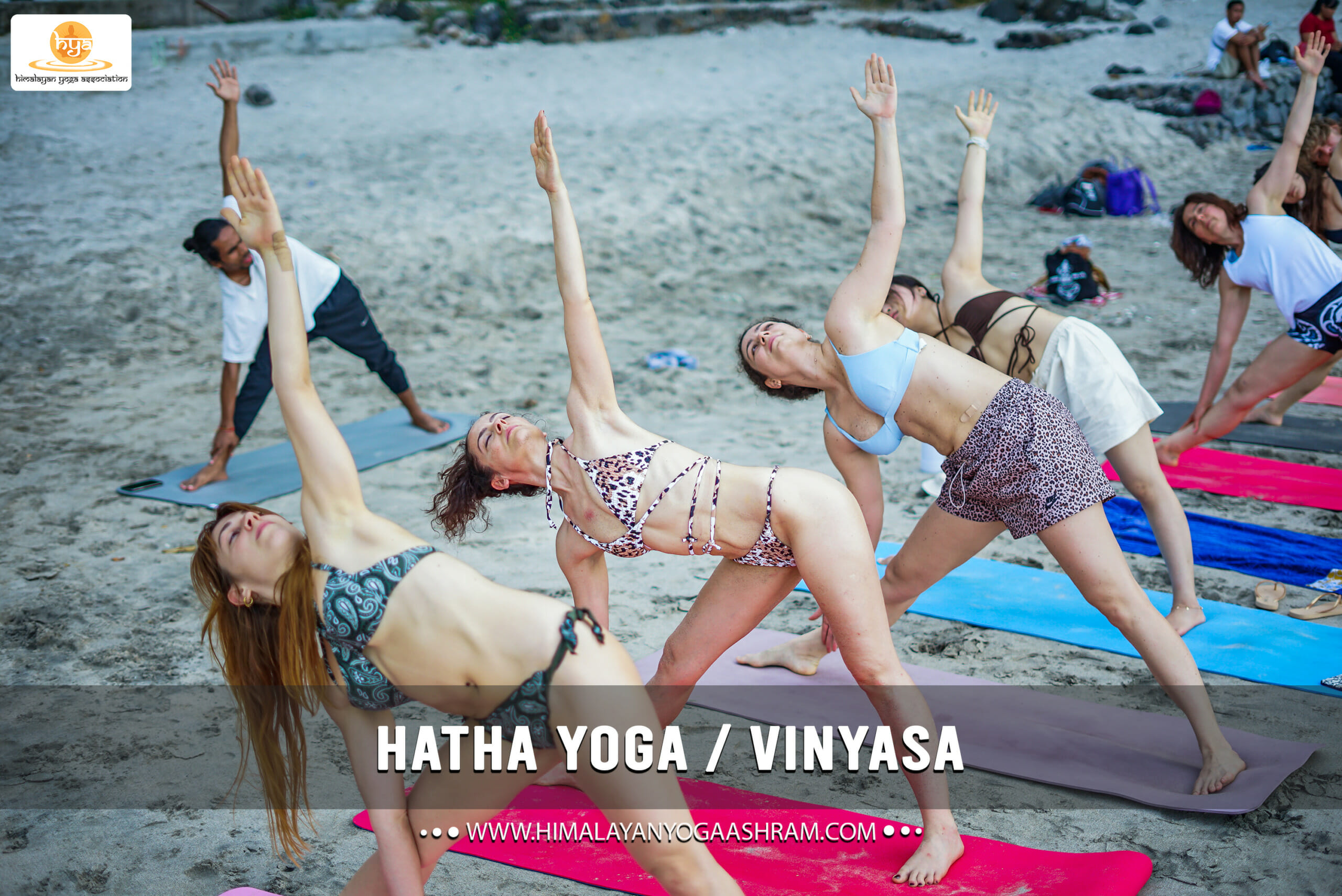
Thailand gives you the opportunity to discover the most beautiful beaches, picturesque hiking trails, and wide views. Practice yoga by the beachside, meditate on the top of a waterfall located deep in the lush jungle or take a boat ride to remote and unexplored islands. Immerse yourself in your spiritual practice by visiting one of the many exquisitely decorated temples; listening to soulful Mantras and practicing meditation techniques with some of the oldest Buddhist monks in Southeast Asia. The beautiful country of Thailand has really inspired our yoga school based in India to extend our yoga classes here.
So join our 100 Hours Yoga Teacher Training Course in Thailand and become a certified yoga teacher to brighten your career in this education field.
Teacher training and retreat in Thailand- Full of natural wonders and spellbinding locations, Thailand is also the preferred choice for those looking for an economic travel location. Our yoga teacher training course in Thailand offers an eclectic mix of courses for beginner, intermediate and advanced level yoga teachers with international certification. You can also choose one of our yoga retreats to refresh and rejuvenate your senses and find a deeper meaning to your life’s purpose.
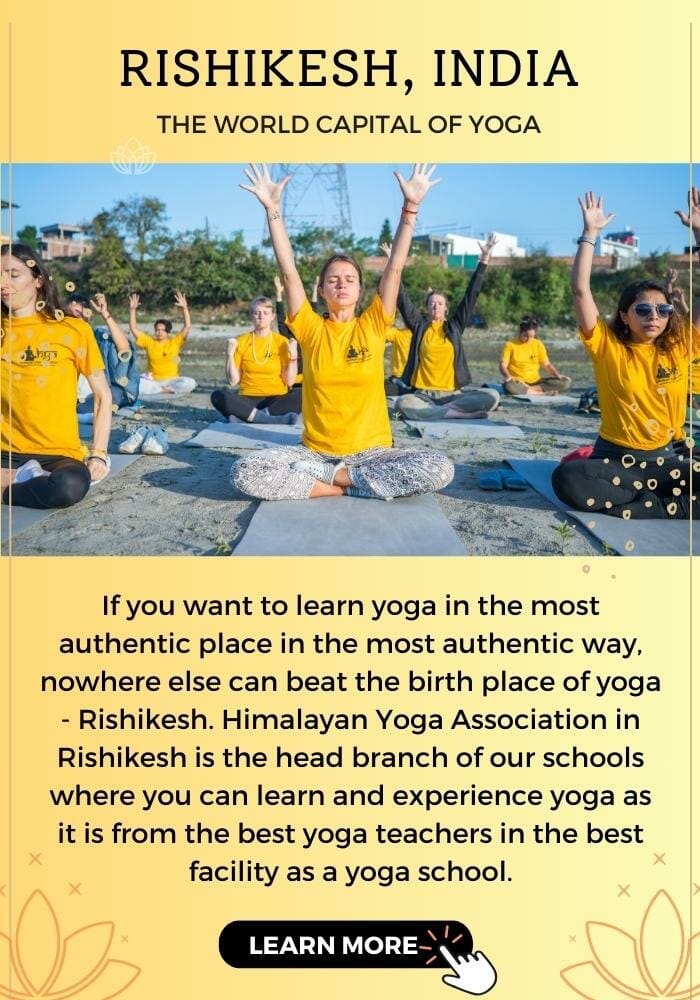
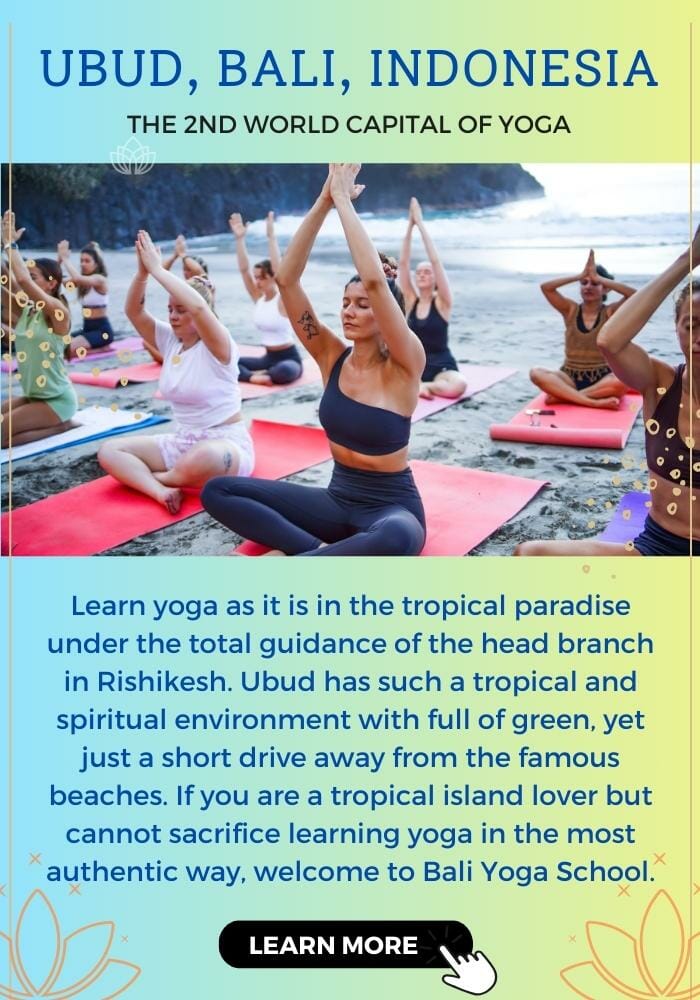
We are currently offering YTT in these 2 locations.
Why Himalayan Yoga Association is the Best Place for Yoga Teacher Training in Thailand?
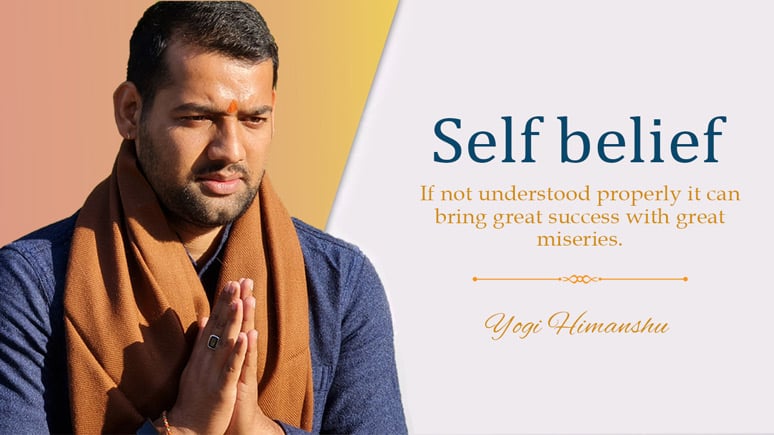
Pranayama practices are a great process to clean the subtle energy channels within for a healthy and peaceful life, any person who breathes properly live a long life ( By Yogi Himanshu )
in this philosophy, Himalayan Yoga Association (HYA) has been setting its milestones and achieving them gradually.
Starting off with its first centre in the world yoga capital of Thailand, HYA has been setting its foot in various parts of the world to train more and more people to live life holistically and realise the true purpose of their existence.
The Yoga School in Thailand has established itself as a premier training centre over the last five years of its journey and is considered a landmark destination for those looking to immerse deep into yoga, meditation and philosophy. Besides offering short-term programs for beginners to evoke interest in the ancient practice, there are long-duration courses to let the learners dive deep into the discipline of yoga — an invaluable gift to the world.
Learners coming to our schools have been our brand ambassadors and solely through their word of mouth we have carved out a reputation for ourselves as the most preferred yoga teacher training school. But we have never rested on our past laurels and strived to constantly improve our service and facilities. This has helped us expand our footprint and quickly establish new centres. Bali Yoga School, Himalayan Yoga Ashram, Himalayan Yoga School, Bali Yoga Retreat, The Divine Retreat and Saraswati Yoga Ashram are among the many centres under the umbrella of HYA.
Under the guidance of Yogi Himanshu, the Himalayan Yoga Association has been spreading its wings — expanding the existing centres and opening new ones in both India and overseas. The HYA now has branches in Bali, Thailand, Cambodia, Germany and Costa Rica. Many more would come in due course of time. While doing so, it has painstakingly designed the programs and courses to ensure that yoga training is imparted in its purest form as practiced by the Great Yogis and seers.
While the journey has been quite satisfying so far, the greatest sense of accomplishment comes from seeing thousands of people benefiting from the course, transforming their life and sharing one of the most valuable gifts with others. As people from diverse fields, cultures and countries join the various courses, the HYA has constantly re imagined itself to become the numero uno yoga academy in the world.
Adding another feather to the cap, the HYA has set the ball rolling for building a mega meditation center — Himalayan Dhyan Mandir in Thailand which will offer free meditation courses. Proposed to be built on the bank of the Holy Ganges, the Meditation center would offer an array of different techniques to help seekers make their inward journey most rewarding. The required land has already been purchased and construction work would begin soon.
Led by the visionary and young yogi, Himanshu Joshi, one of the youngest yoga masters in the world, HYA is poised to reach greater heights in its pursuit to propagate the philosophy of yoga far and wide.
The best place to do 100 hour yoga teacher training program in Thailand
These factors can be found in a quality yoga school in thailand such as Himalayan Yoga Association (HYA) under the residential 100 hour yoga teacher training program .
A residential program ensures that your food and accommodation needs are also met with in addition to the course program without having to worry about it and thus lets you focus better on the course itself . So make sure you select a unique course package to gain the best of the course on 100 hour yoga teacher training.
Duration of 100 hour yoga teacher training in Thailand
This course entails the learning and practice of yoga for a duration of 12 Days which will enable you to learn and master the ancient wisdom of the subject along with other fellow aspirants . You will also learn to imbibe the various skills so as to get rid of the various health related issues such as depression, anxiety etc.
What sets our 100 hour yoga teacher training course in thailand apart
A unique program on 100 hour yoga teacher training is that which: Is equipped with a serene ambience that is inspiring Is lively with a heartwarming community Has the guidance of the best yoga teachers experienced in the field Opens up a transformational journey through the creation of new horizons and opportunities in life.
The Concept of Yoga
It is said that yoga is an effective means of working in favor of the mind, body, energy, and emotion and is hence considered the key to good health and happiness. It has a healing effect on the self without having to spend any money as otherwise, one has to spend on medications and so on to get treatment.
It brings inner peace and keeps you calm even during tough situations.In addition, you may be curious to know more about the fact that yoga has an interesting history. A complex practice, yoga has a history that dates back to a thousand years. It entails challenging postures and has the power to transform lives. So enroll for a 100 hour yoga teacher training course in thailand and transform your career.
100-Hour Yoga TTC School Campus Video
Join Yoga Alliance Certified Yoga Courses
Upcoming Dates
100 Hour Yoga Teacher Training In Thailand
Course Duration – 12 Days
| Course Date | Availability |
|---|---|
| 1st – 12th Jun | Closed |
| 1st – 12th July | Available |
| 1st – 12th Aug | Available |
| 1st – 12th Sept | Available |
| 1st – 12th Oct | Available |
| 1st – 12th Nov | Available |
| 1st – 12th Dec | Available |
Course Fee
- Twin Shared Room in Campus-I(All Inclusive)
$1735 USD$1300 USD (25% off) - Private Room in Campus-I(All Inclusive)
$2135 USD$1600 USD (25% off) - Private Room in Campus-II (All Inclusive)
[New Campus]
$1935 USD$1450 USD (25% off) - 2 People Shared Room (Only Room, No Meals)
USD 1100USD 825 - Private Room (Only Room, No Meals)
USD 1500USD 1125 - Course with Meals (No Room)
USD 1200USD 900 - Course with No Rooms, No Meals
USD 900USD 675
An Advance Booking Fees For Yoga Courses in Thailand
In order to book for the course participant is required to deposit booking fees of 200 USD / 15,000 INR, we accept booking fee via Razor pay| Western union | bank transfer or Transfer wise. An official booking confirmation letter will be sent to you shortly after successful advance deposit for the course fees, the balance of the course fees can be paid on arrival at school either by credit card, debit card or cash, bank account details are given below, if you face any issue feel free to write us, we are always available to assist you.
Book Now
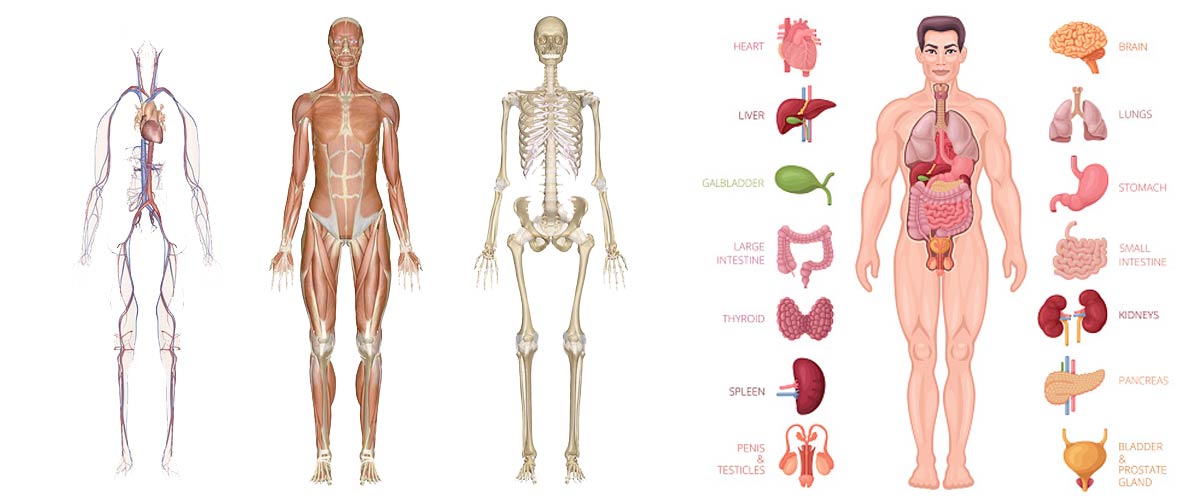
100 Hour Yoga Teacher Training In Rishikesh India- Introduction Human anatomy is the scientific study of the body’s structures. Some of these structures are very small and can only be observed and analyzed with the assistance of a microscope. Other larger structures can readily be seen, manipulated, measured, and weighed. The word “anatomy” comes from a Greek root that means “to cut apart.” In order to observe structures in living people, a number of imaging techniques have been developed. These techniques allow clinicians to visualize structures inside the living body such as a cancerous tumor or a fractured bone.
Like most scientific disciplines, anatomy has areas of specialization. Gross anatomy is the study of the larger structures of the Human body, those visible without the aid of magnification. Macro- means “large,” thus, gross anatomy is also referred to as macroscopic anatomy. In contrast, micro- means “small,” and microscopic anatomy is the study of structures that can be observed only with the use of a microscope or other magnification devices.
Whereas anatomy is about structure, physiology is about function. Human physiology is the scientific study of the chemistry and physics of the structures of the body and the ways in which they work together to support the functions of life. Much of the study of physiology centers on the body’s tendency toward homeostasis. Homeostasis is the state of steady internal conditions maintained by living things. The study of physiology certainly includes observation, both with the naked eye and with microscopes, as well as manipulations and measurements. However, current advances in physiology usually depend on carefully designed laboratory experiments that reveal the functions of the many structures and chemical compounds that make up the human body.
Like anatomists, physiologists typically specialize in a particular branch of physiology. For example, neurophysiology is the study of the brain, spinal cord, and nerves and how these work together to perform functions as complex and diverse as vision, movement, and thinking. Physiologists may work from the organ level (exploring, for example, what different parts of the brain do) to the molecular level (such as exploring how an electrochemical signal travels along nerves).
Your study of anatomy and physiology will make more sense if you continually relate the form of the structures you are studying to their function. In fact, it can be somewhat frustrating to attempt to study anatomy without an understanding of the physiology that a body structure supports. Imagine, for example, trying to appreciate the unique arrangement of the bones of the human hand if you had no conception of the function of the hand. Fortunately, your understanding of how the human hand manipulates tools—from pens to cell phones—helps you appreciate the unique alignment of the thumb in opposition to the four fingers, making your hand a structure that allows you to pinch and grasp objects and type text messages.
100 Hour Yoga Teacher Training School in Thailand - Course Syllabus
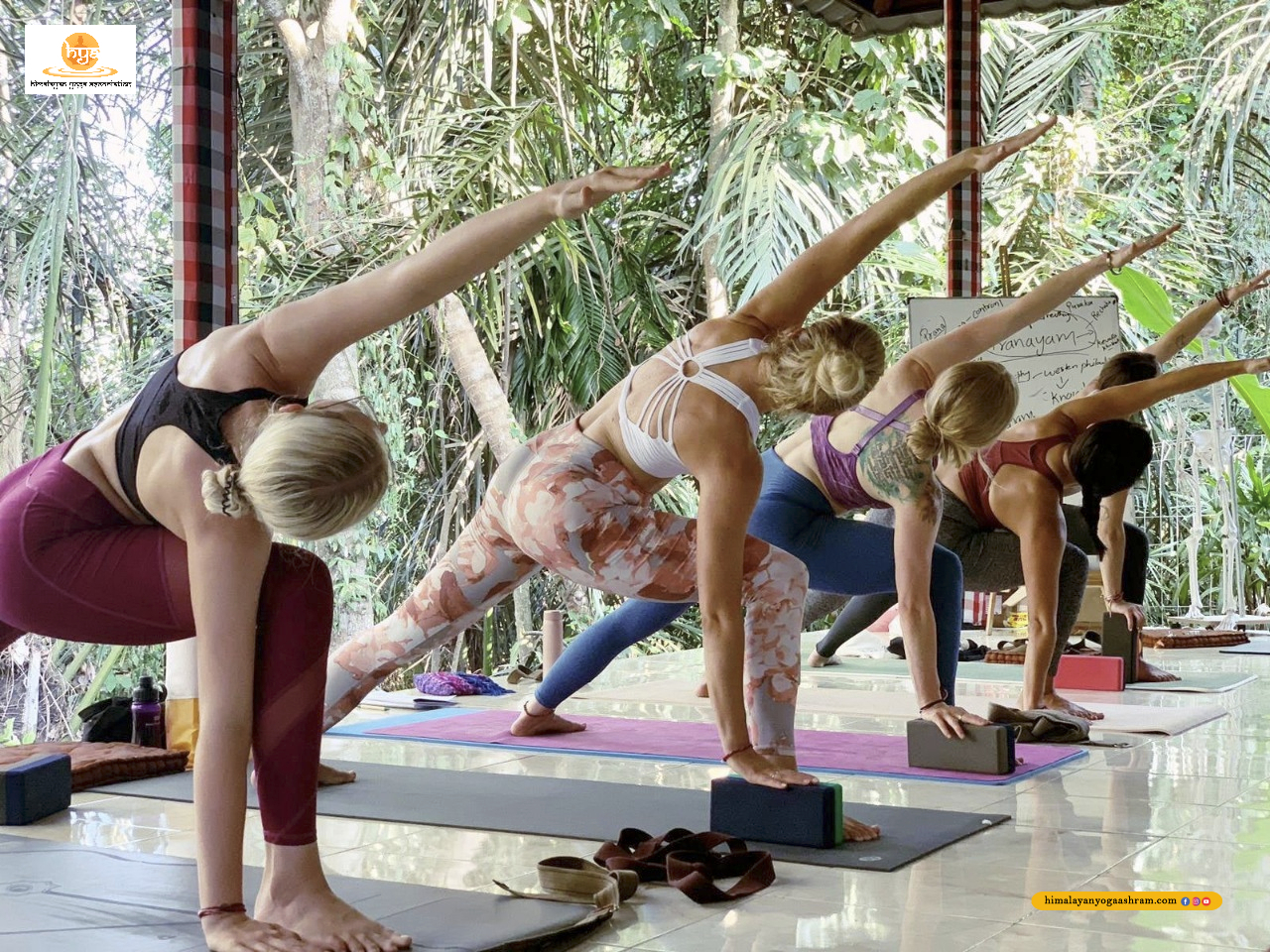
Ashtanga Vinyasa Yoga
- What is Ashtanga Vinyasa Yoga / Its History
- Introduction to Ashtanga Vinyasa Yoga
Opening Sequence
- Samasthitiḥ
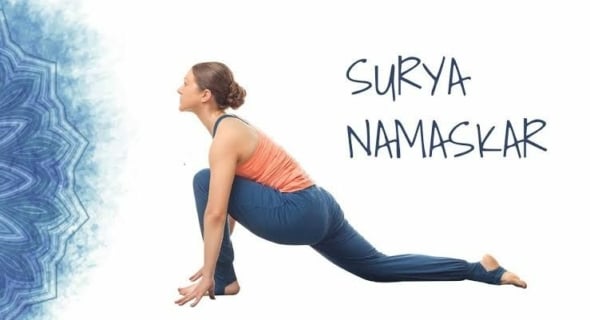
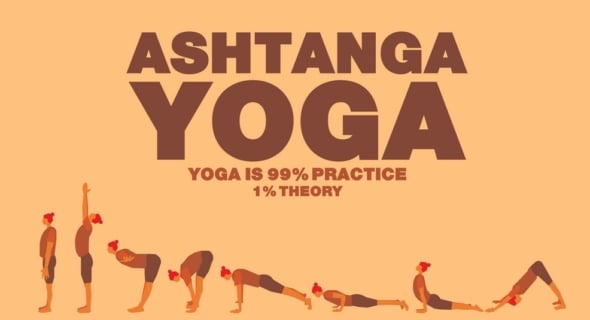
- Surya Namaskar A
- Surya Namaskar B
Standing Sequence Asanas
- Pādaṅguṣṭhāsana
- Pādahastāsana
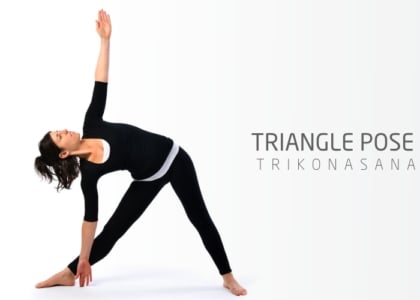
- Utthita Trikoṇāsana
- Parivṛtta Trikoṇāsana
- Utthita Pārśvakoṇāsana
- Parivṛtta Pārśvakoṇāsana
- Prasārita Pādottānāsana A
- Prasārita Pādottānāsana B
- Prasārita Pādottānāsana C
- Prasārita Pādottānāsana D
- Pārśvottānāsana
- Utthita Hasta Pādāṅguṣṭhāsana A
- Utthita Hasta Pādāṅguṣṭhāsana B
- Utthita Hasta Pādāṅguṣṭhāsana C
- Ardha Baddha Padmottānāsana
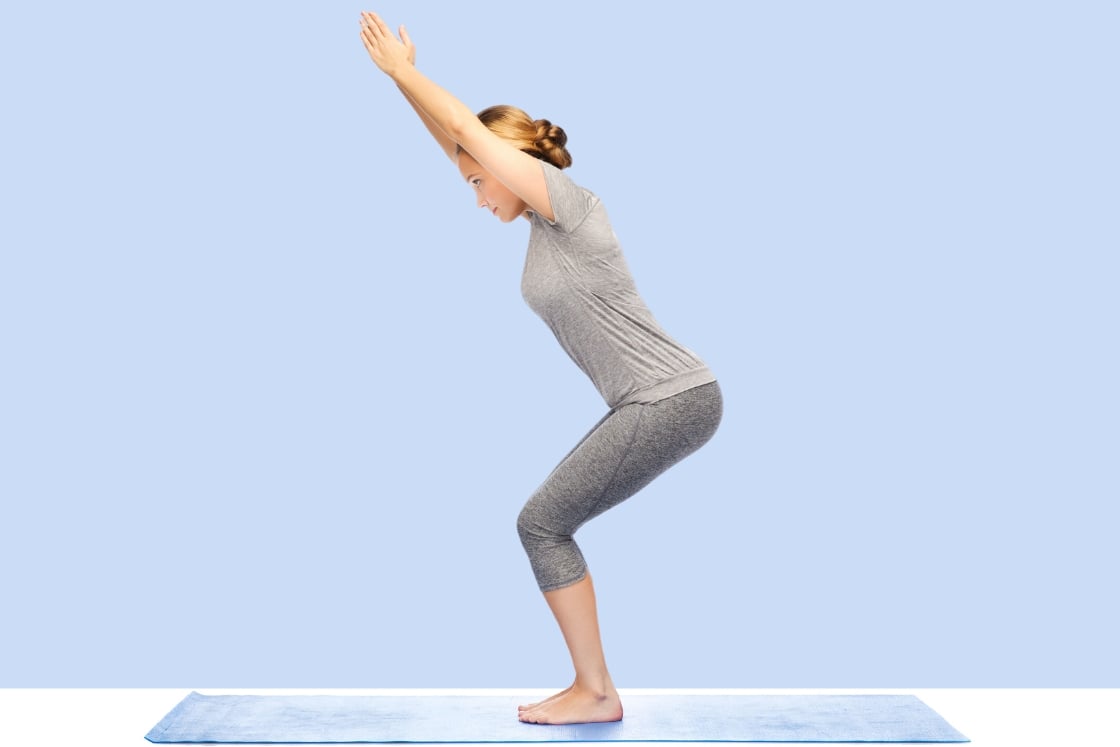
- Utkatāsana
- Vīrabhadrāsana A
- Vīrabhadrāsana B
- Use of Yoga Props
Hatha Yoga / Alignment & Adjustment / Teaching Methodology Topics
- Philosophy of Hatha yoga
- Ancient scriptures of Hatha
- Aim and objectives of Hatha yoga
- Pavan muktasana series-1
- Pavanamuktasana series – 2
- Pavan muktasana series – 3
- Centering postures series
- Surya Namaskara
- Chandra Namaskara
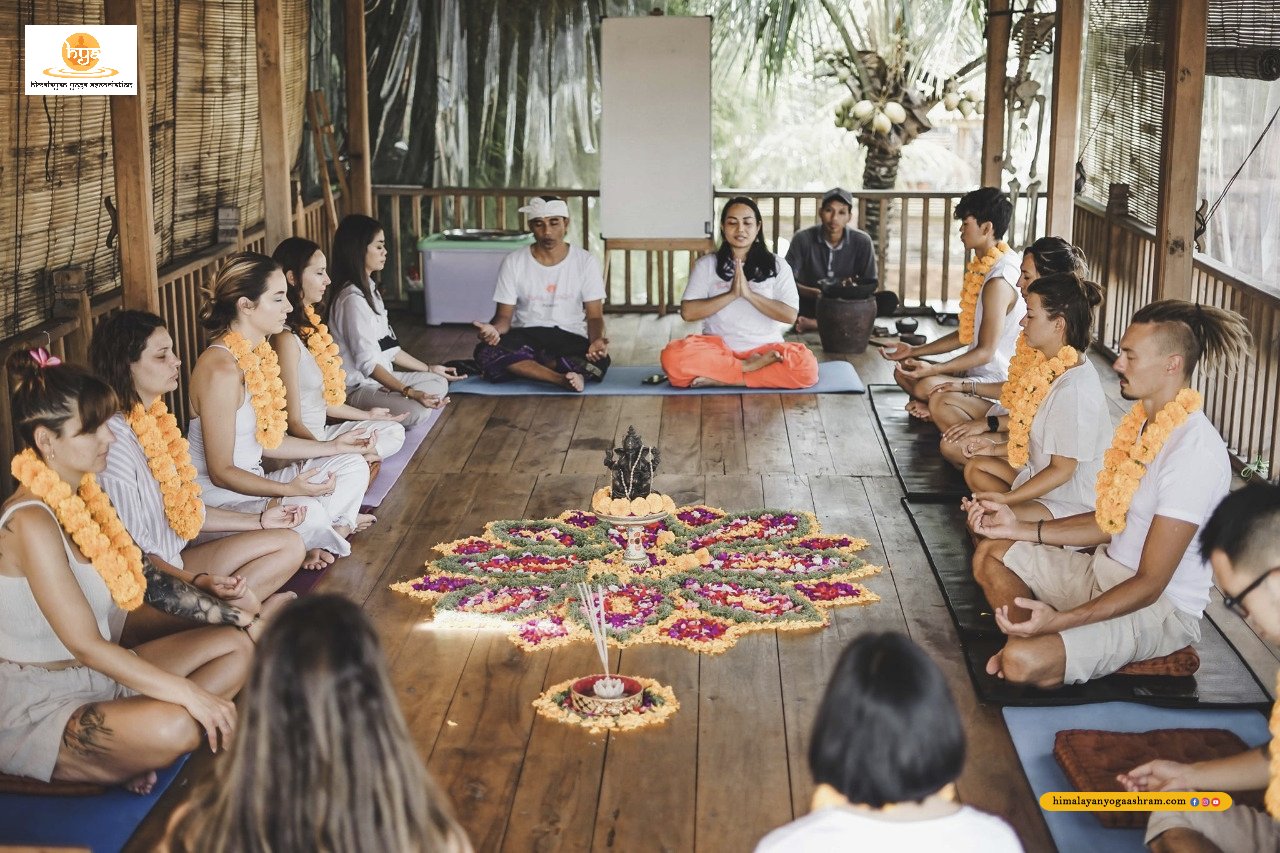
Meditation
- What is Meditation and what it is not
- History of Meditation
- 3 Best Postures For meditation
- (Quarter Lotus/ Half Lotus/ Full Lotus)
- Om Meditation
- Shiva Mantra Meditation (Om Namah Shivaya)
- Breath Awareness (Anapana)
- Chakra meditation.
- Sound Healing Meditation
- Yoga Nidra
- Nada Brahma Meditation
- Dynamic Moving Meditation (Osho)
Yoga Philosophy (Yoga Darshana)
- What is Yoga? Meaning of Yoga & Goal
- Three kinds of pain (three-fold misery)
- History of Yoga
- Classical & Modern Yoga
- Patanjali Yoga Sutras (classical text of Yoga)
- An overview of all chapters on Patanjali Yoga Sutras
- Eight Limbs of Yoga (Classical Ashtanga Yoga)
- Understanding all 4 paths of yoga
- Karma Yoga (Yoga of Action)
- Bhakti Yoga (Yoga of Devotion)
- Gyan Yoga (Yoga of Knowledge)
- Dhyana Yoga (Yoga of meditation)
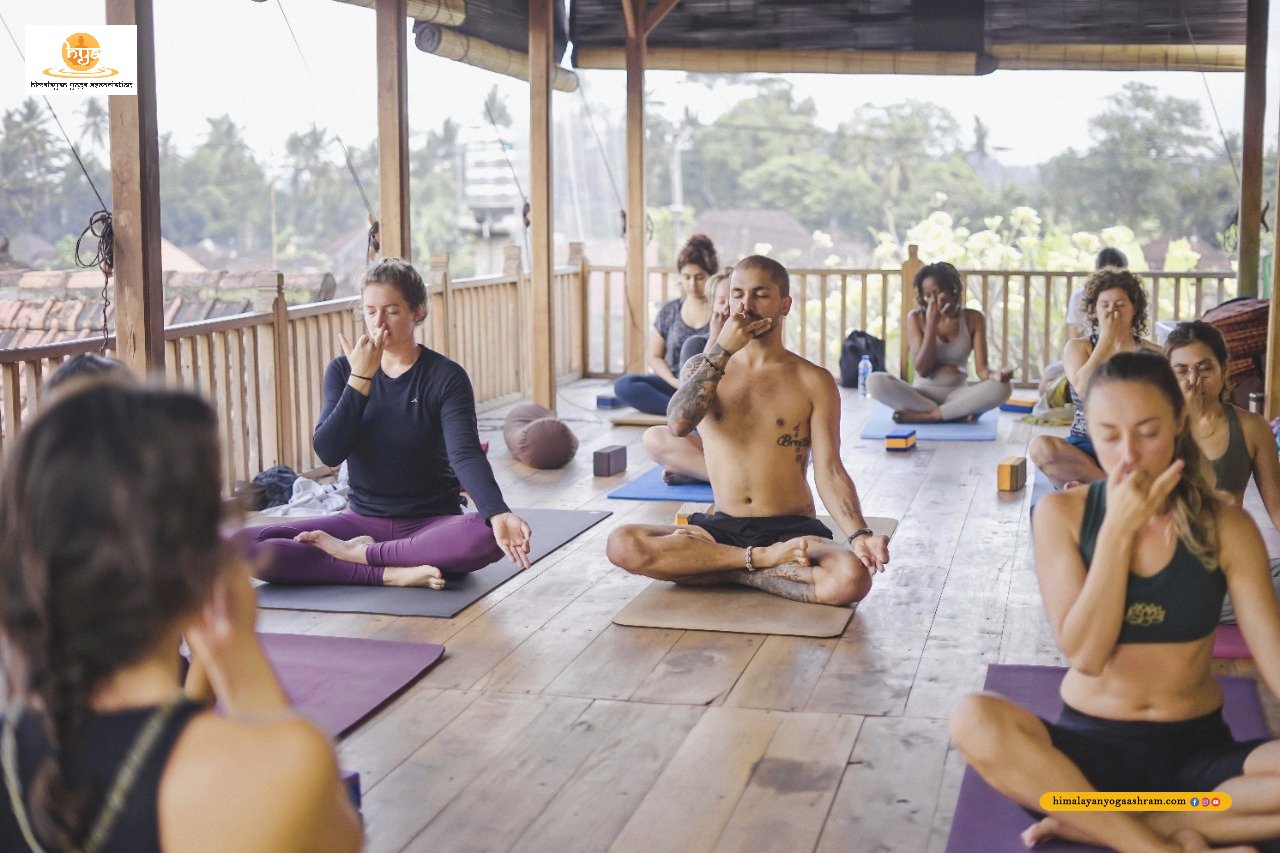
Pranayama (Breathing Practices)
- What is pranayama / Its benefits
- 3 best postures for pranayama
- (Quarter lotus / Half lotus / Full lotus)
- Clavicular Pranayama
- Thoracic Pranayama
- Diaphragmatic Pranayama
- Yogic Pranayama
- Pranava Pranayama
- Nadi Shodhana Pranayama
- Bhastrika Pranayama
- Kapalbhati Pranayama
- Bhramari Pranayama
- Ujjayi Pranayama
- Sitali Pranayama
- Sitkari Pranayama
Yoga Anatomy & Physiology
- Introduction to body
- Body planes, directional terms
- Human cell, tissues, organs
- Human skeletal system
- Axial and appendicular
- Types of joints
- Body movement
- Spine
- Muscular system
Daily Schedule - 100 Hour Yoga Teacher Training in Thailand
| Time | Schedule |
|---|---|
| 5:30 am | Morning Bell |
| 6:00 – 7:00 am | Shatkarma & Pranayama |
| 7:00 – 8:30 am | Hatha Vinyasa Yoga |
| 08:30 am | Breakfast |
| 09:30 – 10:30 am | Alignment / Adjustment / Teaching Methodology |
| 10:30 – 11:30 am | Anatomy |
| 11:30 – 12:30 pm | Yoga Philosophy |
| 12:30 pm | Lunch |
| 16:00 – 17:30 Pm | Ashtanga Yoga |
| 17:30 Pm | Tea Break |
| 18:00 – 19:00 Pm | Medtation |
| 19:00 Pm | Dinner |
| 19:30 pm | Lights off |
In order for you to rest properly before the opening ceremony on the 1st day of the course, the check-in to the school should be one-day before the course begins. Your check in time must be between 10:00 AM to 4:00 PM. We provide you a complementary stay for that night. Your check out on the last day of the course must be between 12:00 PM To 2:00 PM.
Required Books for 100 Hour Yoga Teacher Training Course Thailand
Yoga Course Books for 100 Hour Yoga Teacher Training in Thailand
Are you ready to do what it takes to become an ideal yoga teacher?
“What books should I go through before , during and after yoga teacher training?” This is a common question that arises in the mind of every yogi, which raises his curiosity on the subject. As a student of yoga teacher training, you will feel a sense of achievement on your graduation day, yet the desire to explore more and continue the learning path may linger on in your mind. Learning is infinite.
Even as a teacher, you will still continue learning. Your yoga teacher training course itself may demand the reading of many books to foster your learning experience. Reading books on yoga should ideally be a habit inculcated by a yogi prior to the commencement of the yoga teacher training course, during the course and should carry on even after the course completion. Thus it should be a lifelong practice. In addition to the ancient texts, you will find innumerable contemporary ones as well to further your development spiritually and encourage your growth as a knowledgeable yoga teacher.
Here is a list of inspirational books that will encourage and support your practice and teaching of yoga:
Autobiography of a Yogi by Paramahansa Yogananda
This is an interesting classic autobiography on Paramahansa Yogananda. It narrates his life story right from his childhood days in India to his journey on the quest for a guru and his experiences as a spiritual speaker and teacher later in America. The book also educates the reader on the history of yoga and its inception in the American continent.
Be Here Now by Ram DassA spiritual classic, Dass tells us his story of spiritual awakening witnessed by him, and the enlightenment journey. You will also get an insight into the practical exercises like visualisation meditation and breathing practices which you can inculcate in your daily regimen as well as teachings.
“Many Lives, Many Masters: The True Story of a Prominent Psychiatrist, His Young Patient, and the Past-Life Therapy That Changed Both Their Lives” – by Dr. Brian Weiss
Do you fear death? Get rid of this conventional thinking and look at death from a different perspective , with Dr.Brian Weiss’ s work on ‘Many Lives, Many Masters.’ Several yoga scriptures talk about the subject of reincarnation , this book serves as a bridge linking East and West, via its presentation of reincarnation in an appealing manner.
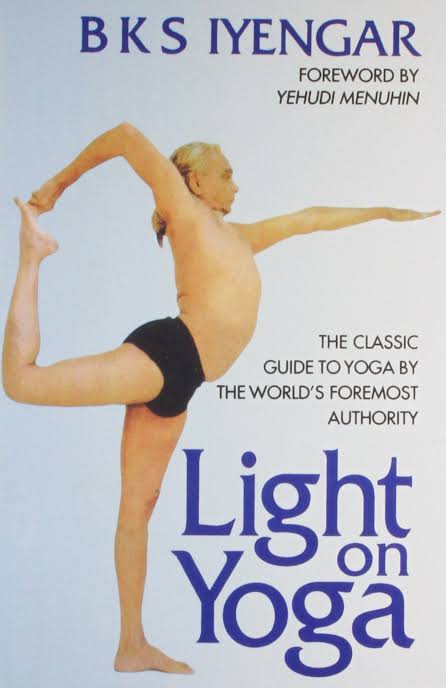
Light on Yoga by B.K.S. Iyengar
Bible to the yoga teacher, this book gives readers an insight into the 8-limbed path including a number of postures . It portrays the poses being performed by the young Mr.Iyengar – one of the founders of modern yoga in the western world. Opt for this book and possess it for life! It serves as a handy reference too ,many a time, as you continue exploring your yogic journey throughout.
Yoga is a practice that is lifelong. The routine practice of ‘Svadhyaya’ fosters the habit in yogis to conduct self-study sand includes the reading of spiritual and holy texts.
- Yoga mala – Sri pattabhhi jois
- Asana pranayama mudra bandha.
Yogic food for Yogic Lifestyle
100 Hour Yoga Teacher Training In Thailand – The Importance of Healthy Food
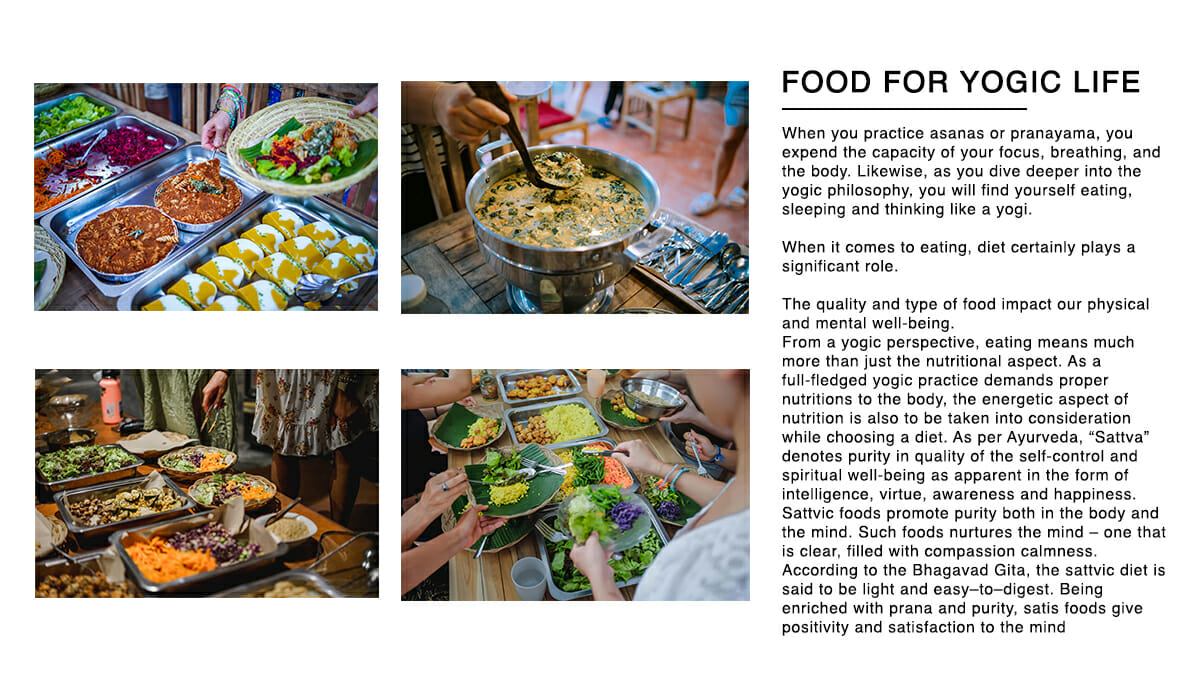
Each time you work on a yoga pose or practice pranayama, you intensify your capacity to exercise control over your focus, breath and body. Likewise, as you delve deeper into the yogic philosophy, you will find yourself eating, sleeping and thinking like a yogi! And when it comes to eating, diet certainly plays a significant role.
It is a known fact, that food is an important element and life-giving energy to the human body. The quality and type of food impact our physical and mental well-being.
When nutrition is talked of from a yogic perspective, it includes much more than just the nutritional content of the food. As a full-fledged yogic practice demands the proper supplementation of the body with nutrients, the energetic aspect of nutrition is also to be taken into consideration while determining your choice of diet.
Meat or no meat?- The dilemma
Many yogis are faced with this question. As heard from many, practitioners feel that after long hours of practice, there comes a point when they do not really feel right or ready to consume non-vegetarian food anymore!
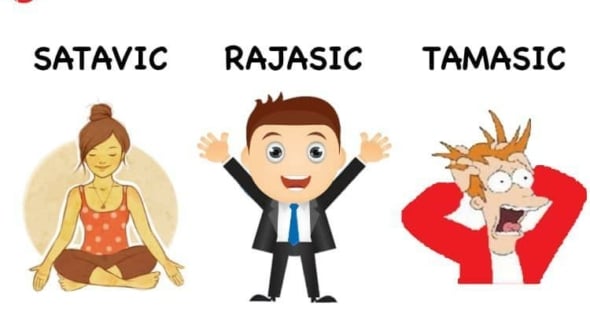
So what is the correct yogic diet (Sattvic Diet)?
Have you ever observed the impact that your food intake has been having upon your practice of yoga? It has been evident that some foods might wreck internal turmoil in the form of bloating or other such digestion disorders. On the other hand, there are some foods that are said to be more subtle and suitable to the body and mind.
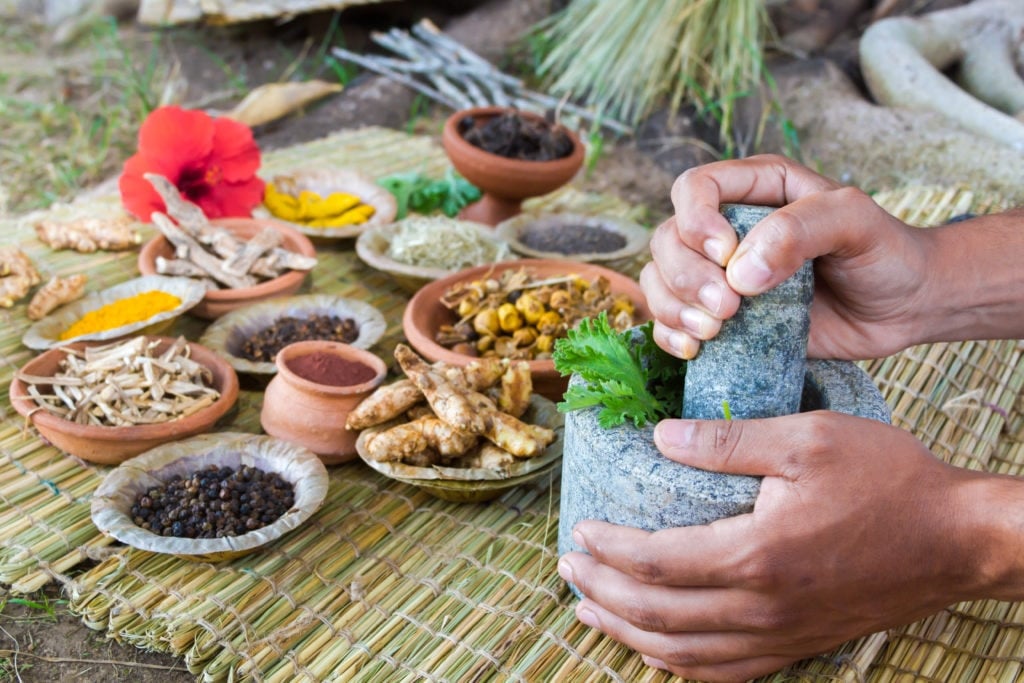
The concept of Ayurveda, the sister science of yoga, enlightens us on the impact of different foods on our overall physical, spiritual and mental well-being. As per Ayurveda, “Sattva” denotes purity in quality of the self-control and spiritual well-being as apparent in the form of intelligence, virtue, awareness and happiness. Thus foods that are sattvic, promote purity in terms of both mind and body. They help nurture the mind – one that is clear, filled with compassion and keeps calm.
Following Sattvic diet The good news for yogis is that Sattvic foods are absolutely vegetarian! Thus no animals are harmed in the making of such foods as they do not contain any animal products. These foods should be naturally cultivated and should not include any harmful preservatives, additive substances or artificial flavors.
What does a Sattvic diet or Food consist of?
A sattvic diet generally includes:
- Fresh, organically grown fruits and vegetables
- Nuts and whole grains
- Dairy – based foods example ghee (clarified butter ) and milk
- Lentils
- Beans
- Oils that are plant-based
- Foods with mild sweetness containing natural and unrefined sugars
- Spices such as turmeric, ginger, coriander, basil and cinnamon
How is Sattvic diet beneficial? A sattvic diet aids in sharpening your intellect. According to the Bhagavad-Gita, the sattvic diet is said to be light and easy–to–digest. Being enriched with prana or purity, it fosters positive thoughts and satisfaction of the mind. Following such a diet can keep you alert, refreshed and peaceful.
What is included in Yoga Course Fee ?
✔ Certificate of completion
✔ Daily shatkarma, mantra chanting, pranayama, meditation, asana classes
✔ Daily learnings of alignment and adjustment in asanas, variety of techniques on breathing exercises and meditations, yoga anatomy and yoga philosophy to integrate into your day-to-day life and practices.
✔ 11 Nights shared accommodation
✔ 3 Times daily nutritious vegetarian meals and teas
✔ Weekend excursions such as to the temples, and beaches to experience Yoga and Thailand even outside the school
✔ Weekday events such as organic vegetarian cooking class, movie night, kirtan (mantra chanting and dancing) night events
✔ 1 Free full-body Indian Ayurvedic massage
✔ Course Manual | Course materials | Yoga mats and material for all activities | Water | Free internet
What is not included in Yoga Course Fee ?
✔ $500 USD Extra for Private Accommodation
✔ Any Personal Expanses, Any Medical Expense, Any Transportation
✔ Extra Classes
Read Terms & Conditions Before Joining YTT in Thailand
To all the participants of 100 hour yoga teacher training in Thailand – All classes are mandatory only in case of an emergency or illness one can take leave with respected teacher permission. Uninformed leaves won’t be accepted and this will leave bad impression on student monthly performance.
Prerequisites – A high degree of self-motivation is required for all aspects of the course. The practice and especially the teaching of yoga demand a high degree of self-discipline and purity. To ensure the success of the program, participants are required to attend all spiritual activities, meditation sessions, lectures and asana classes. Meat, fish, eggs, black tea, coffee, alcohol, tobacco, drugs and nudity are prohibited during the course as they are counterproductive to the yoga practice. Participants who do not comply with the school rules may be dismissed from the course.
Discipline Rules for Students – Smoking and alcohol are strictly prohibited in the school. If you are having a fast any day, you have to inform kitchen manager for avoiding food waste. Always make discipline, respect teachers and follow all rules. Always be in the time, you are late means will not be permitted to join class. Clear your books of account before departure from Himalayan Yoga Association. Before departure return your books, maps or any goods which you borrowed. Himalayan Yoga Association provides accommodation for a student who join the yoga course. So any friends or relatives will not be included in accommodation however they can stay in school by renting another room. Student have to be present in all scheduled program of Himalayan Yoga Association.
Once you made the booking amount deposit towards course fees kindly send us your payment receipt so that we can forward you an official booking confirmation letter. The remaining balance of the course fees will be charged on you arrival at School.
Refund Policy – Advance booking deposit is non refundable. We accept date rescheduling If you cancel the course after joining. We accept the cancellation but the course fees will not be refunded with the cancellation.