500 Hours Yoga Teacher Training in Nepal RYT500
Education is the best gift you can ever think of to offer any one ! Gift yourself and your near and dear ones a wonderful surprise this Valentine’s Day – something different awaits them and you in the form of the 500 hours yoga teacher training in Pokhara Nepal. And if you are thinking it to be just a course that entails studying and exercising , it is not so! Read on to know why:
Why a yoga teacher training program in Nepal is the best gift you can think of !
- Dual benefit of travel and yoga
Travel combined with yogic education is what the 500 hours yoga teacher training in Pokhara Nepal has to offer. Grab the golden opportunity to explore mountains, lakes and more of nature’s wonders in the beautiful country of Nepal where spirituality dwells all around as you learn more with each passing day of the 500 hours yoga teacher training in Pokhara Nepal.
- Gift of health and good cheer
A gift that brings you the benefits of health and positivity, peace of mind , spirituality and rejuvenation of soul , detoxification and cleansing of the body and more such benefits, just join the 500 hours yoga teacher training in Pokhara Nepal to unbox the secrets of the age-old practice and wisdom of yoga.
- Gift of a career in yoga teaching
The certified 500 hours yoga teacher training in Pokhara Nepal is the ultimate course that anyone would ever need to build a successful career as a yoga teacher since it provides the maximum quality information that it takes to become a quality yoga teacher able to win the appreciation of others through quality teaching .
- A complete gift
Providing a thorough knowledge on the basics of yogic education to the advanced techniques to master in the yogic field, the 500 hours yoga teacher training in Pokhara Nepal is a brilliant blend of the 200 hour and 300 hour yoga teacher training aiming to create a complete course in one go.
- Availability of the complete “all-in-one” yoga school
What makes a gift really special is getting it from the right source. So when you gift this course on 500 hours yoga teacher training in Pokhara Nepal to yourself or others, make sure you enroll into the right yoga school – Himalayan Yoga Association which is the leading institute not only in Nepal but also in India where it originates from and other zones of the globe where it has successfully spread its wings. It is exclusively this yoga school that offers students a complete residential program on 500 hours yoga teacher training in Pokhara Nepal with food, accommodation , study materials , excursions, satsang sessions, kirtan nights and with no doubt , quality classes on yoga, meditation, pranayama and the other related areas. Thus you will also be able to gather practical experience such as the yogic way of living, ayurvedic cooking classes, healthy sattvic diet, interaction with a diverse yoga community and so much more along with the theoretical knowledge through yoga classes. This is the reason Himalayan Yoga Association has gained immense popularity worldwide through its “all-in-one” package.
What is Yoga Alliance Teacher Training Certification? RYT500
A timeless institution dating back to more than 5000 years, “yoga” means to unite the soul or “jeevatma” with the universal soul or “paramarma.” An ancient philosophy, this science of self-development, self-transformation and self-awareness educates the individual on both the aspects of health as well as the harmonious way of life.
This holistic discipline integrates the mind, body and soul to foster an ideal balance. The concept of yoga is not just limited to physical exercising, but it also touches the aspects emotional stability while calming the mind and soul.
The last couple of years has seen a rising popularity of yoga particularly in the west on account of its health as well as career prospects endowed by it through yoga teacher training course worldwide. This has in turn led to a rising demand for yoga schools and studios and the preference for quality yoga education that guarantees authenticity and a certificate on successful course completion. So how can you ensure that the yoga school you enrol for is a genuine one and follows the standards of a quality yoga education? Yoga Alliance is the answer.
About yoga alliance usa?
Yoga Alliance is a non-profit association based in US which plays an important role by providing the required accreditation to yoga teacher training programs that include 200-RYT, RYT-300, RYT-500 conducted by yoga schools worldwide.
Significance of Yoga Alliance, a certification from Yoga Alliance signifies:
- Your eligibility to teach anywhere in the world in schools offering programs on YTTC
- Your eligibility to start your own yogic venture by setting up a yoga studio that you have dreamed of running
What does the Yoga Alliance do?
Yoga Alliance prescribes the standards for yoga training. To meet such standards, it has been made mandatory to adhere to the same so as to be able to ensure the required amount of study time that is undertaken for the course.
This is custom heading element
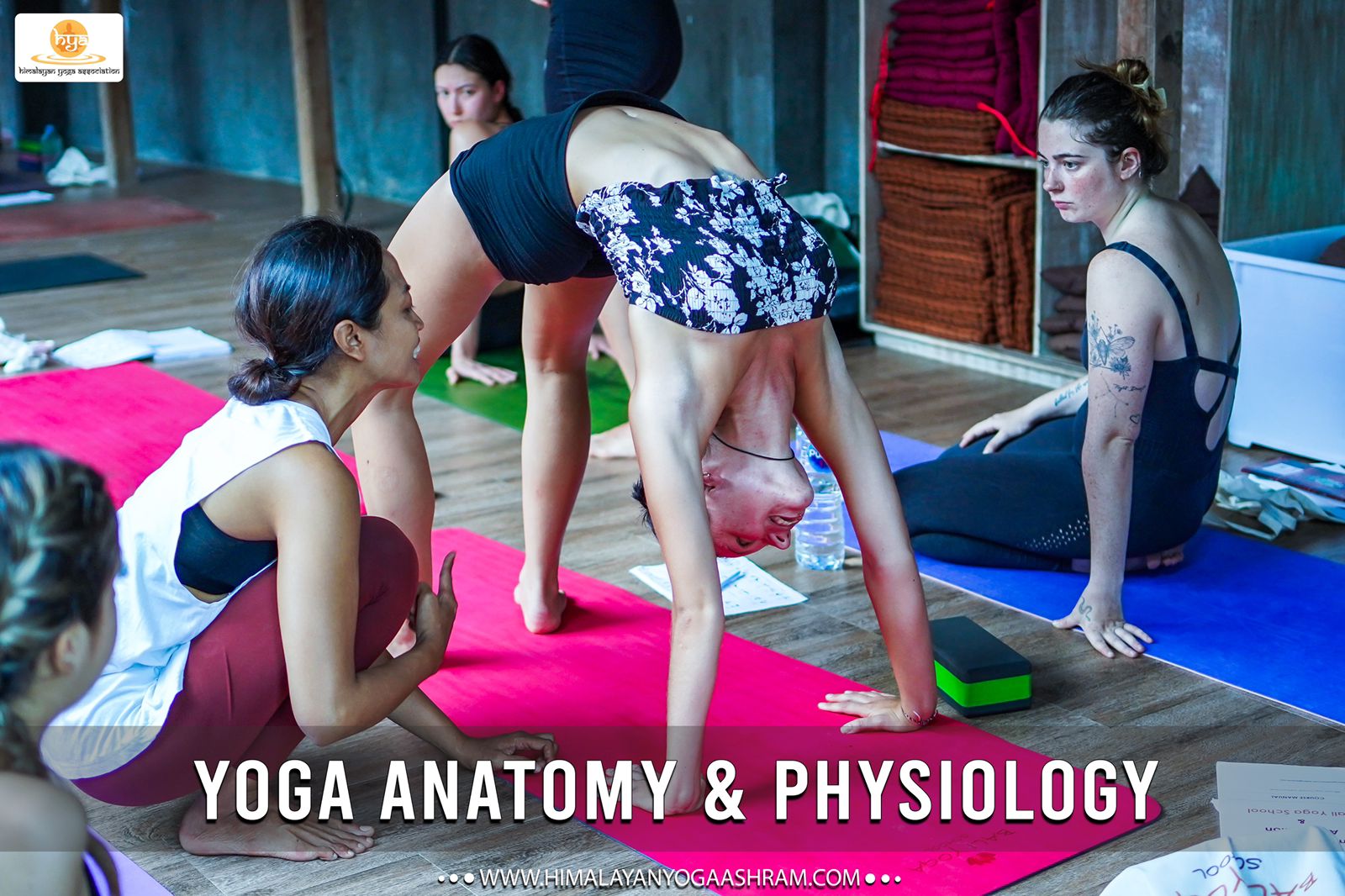
Introduction Human anatomy is the scientific study of the body’s structures. Some of these structures are very small and can only be observed and analyzed with the assistance of a microscope. Other larger structures can readily be seen, manipulated, measured, and weighed. The word “anatomy” comes from a Greek root that means “to cut apart.” In order to observe structures in living people, a number of imaging techniques have been developed. These techniques allow clinicians to visualize structures inside the living body such as a cancerous tumor or a fractured bone.
Like most scientific disciplines, anatomy has areas of specialization. Gross anatomy is the study of the larger structures of the Human body, those visible without the aid of magnification. Macro- means “large,” thus, gross anatomy is also referred to as macroscopic anatomy. In contrast, micro- means “small,” and microscopic anatomy is the study of structures that can be observed only with the use of a microscope or other magnification devices.
Whereas anatomy is about structure, physiology is about function. Human physiology is the scientific study of the chemistry and physics of the structures of the body and the ways in which they work together to support the functions of life. Much of the study of physiology centers on the body’s tendency toward homeostasis. Homeostasis is the state of steady internal conditions maintained by living things. The study of physiology certainly includes observation, both with the naked eye and with microscopes, as well as manipulations and measurements. However, current advances in physiology usually depend on carefully designed laboratory experiments that reveal the functions of the many structures and chemical compounds that make up the human body.
Like anatomists, physiologists typically specialize in a particular branch of physiology. For example, neurophysiology is the study of the brain, spinal cord, and nerves and how these work together to perform functions as complex and diverse as vision, movement, and thinking. Physiologists may work from the organ level (exploring, for example, what different parts of the brain do) to the molecular level (such as exploring how an electrochemical signal travels along nerves).
Your study of anatomy and physiology will make more sense if you continually relate the form of the structures you are studying to their function. In fact, it can be somewhat frustrating to attempt to study anatomy without an understanding of the physiology that a body structure supports. Imagine, for example, trying to appreciate the unique arrangement of the bones of the human hand if you had no conception of the function of the hand. Fortunately, your understanding of how the human hand manipulates tools—from pens to cell phones—helps you appreciate the unique alignment of the thumb in opposition to the four fingers, making your hand a structure that allows you to pinch and grasp objects and type text messages.
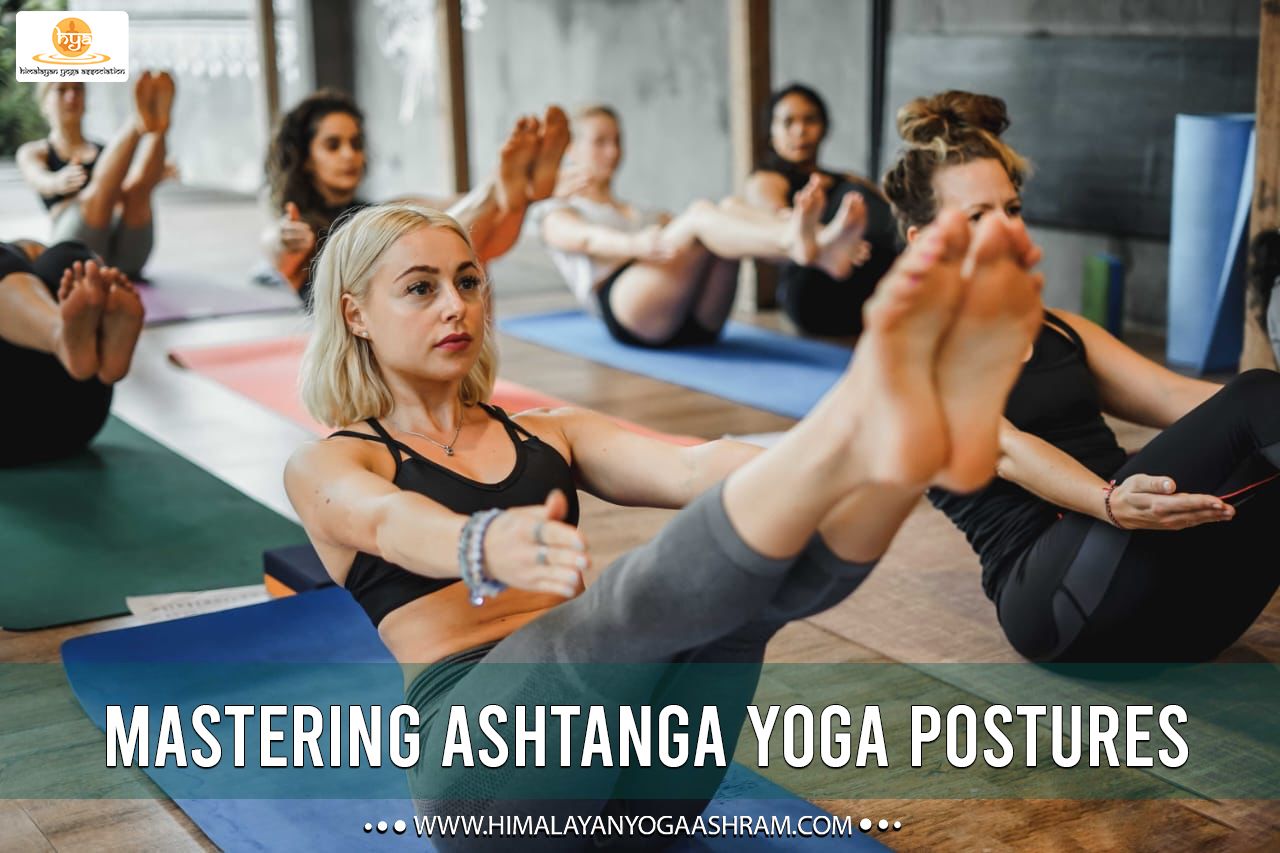
Yoga is not exclusively meant for the benefits of saints, ascetics and mystics. It, in fact, serves to benefit all and one alike but the accrual of benefits and time take to attain the desired result will depend on sincerity, regularity, patience will to learn and perform. Burning desire to learn is the main driving force behind yoga, besides faith, confidence and tenacity. It is a complete, dependable and time-tested discipline and to derive optium benefits, following points deserve to be borne in mind.
One should not nurture any ill-will, tension orinimical feeling. Apply yourself fully in the yogic sadhana and practice, forgetting worries and cares. Your mind should be in a happy and peaceful state, while you embark upon performing asanas. Try to overcome what ails you physically and mentally.
Time : Ideal time to perform asanas is the early morning time, preferably before sunset. Attend to the calls of nature and do not take anything before and after the exercises. However, morning time does not suit, asanas can be performed in the evening time also but on the premise that nothing should be taken 3-4 hours prior to performing yogic kriyas. While doing yoga do not exert undue strain on your limbs. Initially, due to lack of practice and rigidity of joints and muscles, it may take a bit longer time but, as the time passes, all such problems would disappear or, at best, show a declining trend for the better. Have patience; do not be cruel to your body as it will require some time to acclimatise and adjust itself to respond to and withstand the demands made on it. It is not wise to change things every now and then, instead stick to time schedule, and be punctual and regular.
Place : Neat, clean, open, fresh environs are the prerequisites for yogic practice. Polluted contaminated and unnatural environs will do more harm than good. If latter is the case, it is better to bid good-bye to such a practice, till such time as you are able to find suitable site and congenial environs. Proper place, light open and fresh air, a soft blanket or durry/mat should always be handy. In winter you may use even a mattress or else a quilt may be used.
Rest : Whenever after doing an asanas, your ever feel tired, at once suspend the asana and give proper rest to your body. Rest is necessary for the tired body and, before you switch on to another asana, there should be reasonable gap.
Bath : Bathing is not merely a ritual, it is also intended to purify the body, by ridding itself of dirt, foul smell and other impurities. Bathing opens pores of the body also, when it is vigorously rubbed with a towel. If bath is taken before yoga postures, it would render the body light and also help on facilitating the process of asana. You can take bath with hot water, even after the asana is over, but a gap of 30 minutes is all the more necessary. Make sure that you towel your body in such a way that there is no moisture on your body.
Dress : The dress used for the asanas should conform to weather conditions but, it must be ensured, that body is not overloaded with too much of clothes as it will create problems while you are performing the asanas. Always wear loose clothes, as tight ones would restrict free movement of limbs. Ladies may use blouse with saree or slacks and men underwears, trousers or half pants for the performance of asanas.
Breakfast : There should ideally be a gap of half an hour between asanas and breakfast. Take only light and easily digestible breakfast. Take only light and easily digestable breakfast which should not be utilised to fill your belly to the full. Avoid taking any cold drink or food immediately after the asana is over. If you wish you may have a glassful of milk.
Sun-Bath : It will add to the benefits derived from asanas but sun-bath should be taken during winter only. It will free your body from toxic effects. Some people bask in the sun after massaging the body and then take bath with hot or luke-warm water. But, in so doing, one must keep a close watch of over one’s physical capacity as to whether the body is fully equipped to bear combined strain of all such disciplines. Do whatever you wish but never time your body or expose it to undue strain and thermic changes.
General : All the asanas are based and named after parts of the body material objects and animals. There are innumerable asanas but, in practice only 84 asanas are said to meet all the disorders to which afflict all persons, in one way or at one time or the other. Asanas are not medicines or toxics, they tend to correct the wrongs done by us. They also awaken our auto-immune mechanism which is adversely affected by various factors. They correct the defective metabolism inducing and fortifying the fighting capacity of our body to derive out the invading forces. They aim at rooting out the cause of the malady which often emanated from disturbance of the mind.
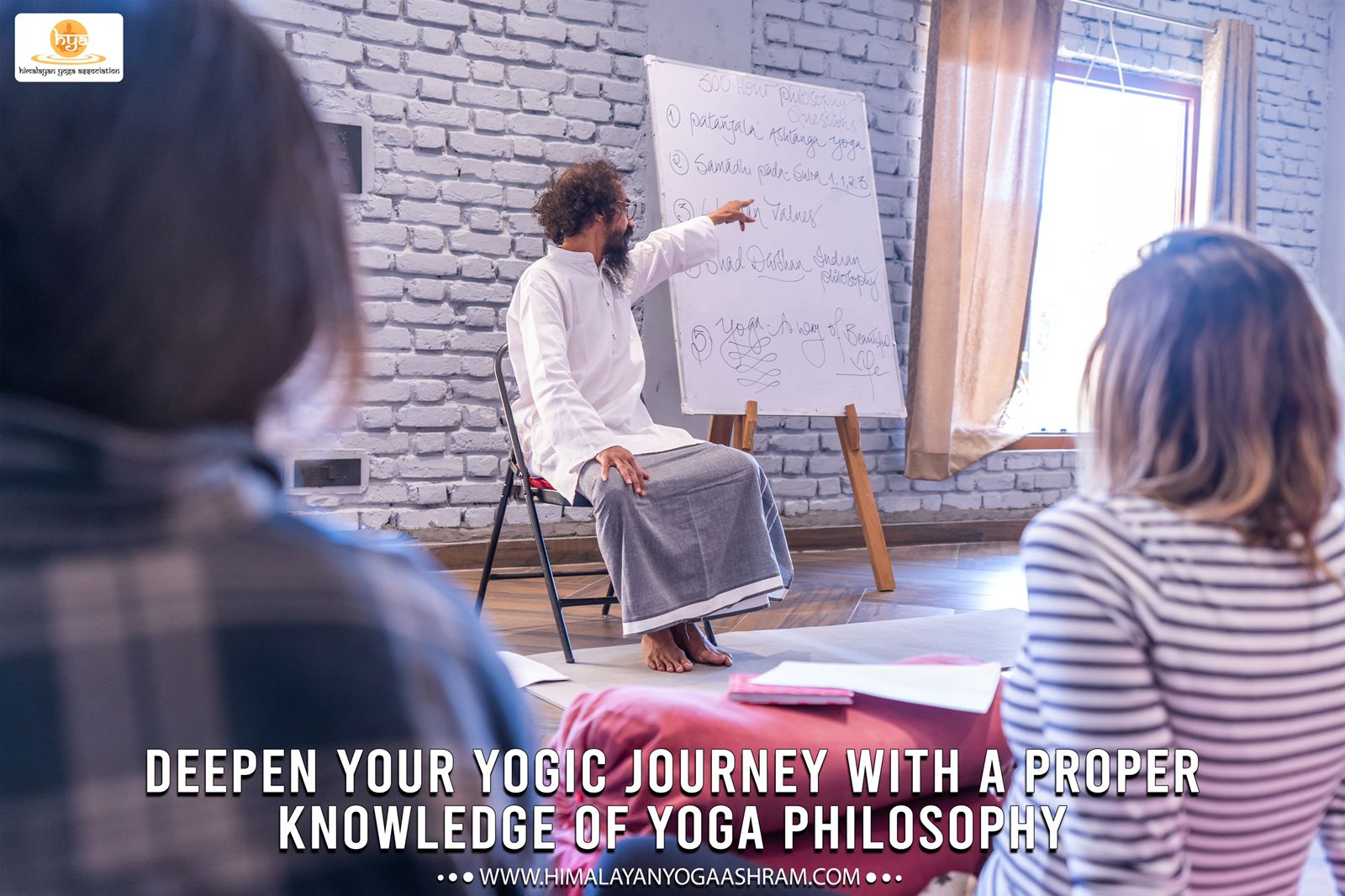
Yoga’s exact origin remains a mystery. There is some evidence to indicate that early forms of Yoga may have existed as far back as 2500- 1500 BCE, in the Indus valley region of India. Sculptures of figures seated in what look like lotus postures have been found from this era, but because the script accompanying the figures is unknown, it is not possible to determine with any certainty if the sculptures are representations of a yoga posture, or simply one way of sitting on the floor. What is clear is that since earliest times there has existed an understanding that human consciousness is vast, can be explored, and from that exploration insights unfold as revealed wisdom about the human condition, the universe and our place in it.
In the early centuries of the first millennium BCE, two streams of culture existed in India: Vedic and Non-Vedic. The Vedas contained sacred texts of revealed wisdom, or Sruti, meaning “what is heard from a higher source”. The four Vedas comprise the oldest scriptural texts of the Hindu faith. The non-Vedic Indian culture included Jainism and Buddhism, neither of which accepted the authority of the Vedas, and consequently evolved into separate faiths.
It is important to remember that, with in the Indian culture, wisdom was passed down orally from Guru to student: the Guru weaving threads of his own wisdom into something meaningful and appropriate for that student. Given this method of transmission of knowledge, different schools of philosophy intertwined and influenced each other in a way much less rigid than we may imagine.
It is unclear whether yoga evolved from Vedic or non-Vedic culture. Scholars have noted that during this period Sramanas were involved in austerities – activities practiced by individuals who were renunciates and ascetics from the non-Vedic culture.
The first millennium BCE onward was a period of dramatic social and cultural change in India. Around the seventh century BCE, large urban centres began taking shape in northern India. Urban centers grew where there was an abundance of food and means to store it. Not entirely dependent on agriculture, other goods began to be produced, commerce evolved along trade routes and ideas as well as goods were exchanged.
During this period of rapid change, philosophy was also evolving. Possibly as a result of epidemics spreading from isolated villages to major urban centres, that resulted in widespread death, philosophies began questioning the very meanining of life and the nature of existence. Around the seventh centuary BCE the oldest Upanishads were written, and were known as “Vedanta,” – the end, or culmination of the Vedas. Upanishad ; literally means “to sit near”; this gives a clue as to how this wisdom was transmitted, from teacher to student in close proximity.
Two important beliefs that influenced the development of yoga arose during this period of change and reflection, notably Samsara (the eternal cycle of birth, disease, old age, and death) and Karma (the belief that all actions bear fruit). It follows that if every action bears fruit, and if you cannot experience the fruits of all your actions in one lifetime, then you are reborn. Thus evolved the concept of existence as a cycle of birth, death and rebirth.
Around the fifth century BCE, the pre-classical period, three main streams of the yoga tradition had developed: the Upanishadic traditions, Buddhism and Jainism. The Bhagavad Gita was written shortly after the fifth century and was probably completed before the end of the millennium. Within this scared Indian text, there is nothing short of revolution in Yogic philosophy. There is a broadening of the practice of yoga. Different forms of practice are described: Karma Yoga, or the yoga of action; Bhakti Yoga, or the yoga of devotion; and Jnana Yoga, or the yoga of study and wisdom. In this way, yoga practice and the highest states of consciousness are made available to everyone and renouncing the world and moving into a cave is not necessary. It is also implied within the text that women are not excluded from this practice, a first in the yoga tradition.
In the beginning of the first centuries of the Common Era, a synthesis of Indian philosophies was born. This is a classical Yoga, or the Yoga of Patanjali. The Yoga Sutras authored by Patanjali are an organization of Yogic philosophy into short aphorisms, or verses. Patanjali is often equated with the Ashtanga Yoga system, or the Eight limbs of Yoga, but what Patanjali is primarily interested in is neither a sequential approach to enlightenment nor a system of limbs of ascending subtlety. Patanjali is interested in one thing: Samadhi. Samadhi is the highest meditative state in which a person transcends their individual ego and merges with the universal. In the Yoga Sutras, he gives the definition of yoga in the second sutra, “Yoga citta vrrti nirodhah” or : yoga is the stilling of the fluctuations of consciousness.” He then goes on to describe various ways to achieve this state. In Patanjali’s view, there are only two things to consider: the Self, or the inner witnessing consciousness called Purusa, and everything else that is perceived by that witness. Everything else – thoughts, emotions, even memory – resides outside this witnessing consciousness. This is called Prakriti, or nature.
Patanjali tells us that at some point, in some way, we forget our essential nature. We became identified with the physical world, which is called “Prakriti”. We develop ways of thinking, attachments to our ideas, we see we are male or female, large or small, and somehow these things become our identity. The inability to see the difference between our essential nature (Purusa) and everything else (Prakriti) is called Avidya or ignorance. How do we overcome this fundamental ignorance? Patanjali says the only way to see the difference between our witnessing consciousness and everything that consciousness perceives is to create stillness. Like a calm lake with no waves or ripples- in that stillness we can again see our essential nature, undisguised by the movements of the mind.
From the time of the Yoga Sutras, there was a period of great interaction and creativity in Yogic philosophy. Around the sixth century, Tantric Yoga was born. In the eighth century a called Sankara formulated a non-dual (Advaita) school of Vedantic philosophy. Sankara looked back at the large and disparate collection of the Upanishadas and organized them in a way that made sense. Sankara’s world view however, was still far from rosy. His belief was that, although there is only reality, because of our own ignorance (Maya), we superimpose limitation and separation onto what we see, and like a man in the dark seeing a coiled rope and thinking it to be a snake, we are deluded by our inability to see clearly. The only way to see clearly in the darkness is to bring light, so in Sankara’s view a thing can only be cured by its opposite; darkness by light, ignorance by knowledge and not by anything else. The world of form and multiplicity is still not valued in and of itself in this philosophy; it is seen as an illusion.
The practice of Tantra Yoga evolved over a period of centuries, and found a later articulation in the school of Kashmir Saivism around the eighth century CE. Tantra Yoga, evolving when it did, had the benefit of centuries of development and therefore was able to look back and weave the previous knowledge into a more sophisticated tapestry. Kashmir Saivism agress with the non-dual philosophy of Sankara’s Vedanta but asks the question, “if there is only one reality, what then is this thing called ignorance? Vedantic philosophy cannot answer this question because ignorance, to Sankara, is not a thing in itself, but simply the absence of cause ignorance, to Sankara, is not a thing in itself, but simply the absence of knowledge.
Kashmir Saivism’s answer is that if there is only one reality, it has to follow that anything happening to that reality has to be an operation of that reality itself. So the reason we see diversity of form even though there is only one ultimate reality is that this is what that reality has created-not an illusion, but a physical world vibrating into being. We are seen as a condensation of source, containing the full power of this source. The practice of yoga is then ultimately one of remembrance of this potential. We do not have to run from the world. The world is where our yoga takes place.
Kasmir Saivism philosophy dictates the need for the grace of a guru to bestow the spiritual jump-start called “Shaktipat”. Without this transmission of energy, the student cannot attain enlightenment. This somewhat problematic dilemma is addressed by yet another school of Tantra called “Shri Vidya” or auspicious wisdom. The most recent form of this approach is currently being taught by Dr. Douglas Brooks (2010). Douglas learned a form of yoga called “Rajanaka” from his teacher Gopala Aiyer Sundaramoorthy. Rajanaka can be translated as “Little Prince” or “one who is sovereign unto themselves.” In this horizontal model of yoga, there is no singular attainment of an enlighmened state but a continual expansion of understanding and appreciation. As yogis-ones who have decided to engage with the gifts and opportunities life presents-our sensitivity and intimacy with ourselves and others increases through the sharing of experiences, unique gifts and insights.
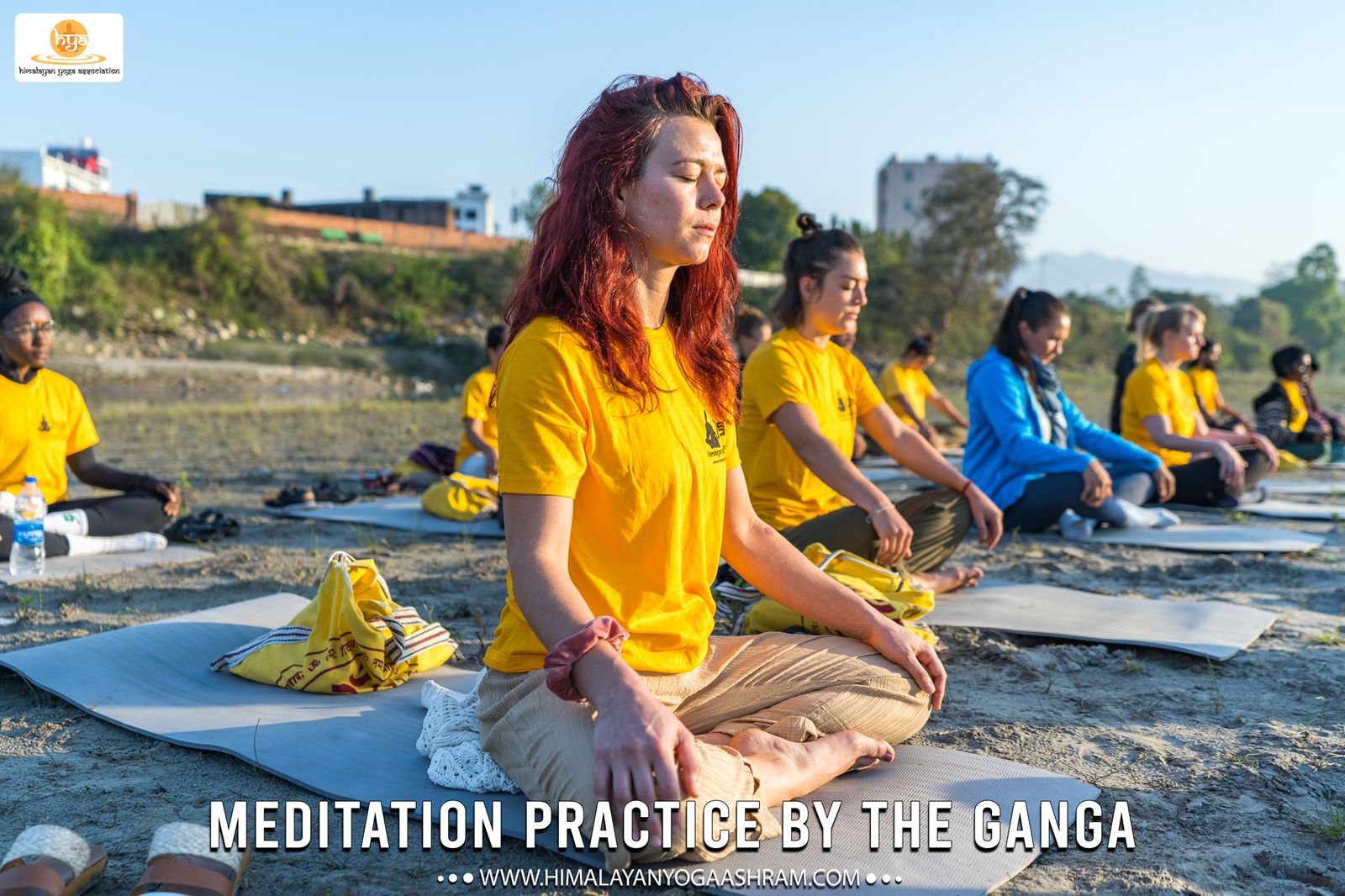
What is Meditation?
Technically, meditation is the act of focusing on one single point or object for a period of time without any stress or distraction inside of the mind. For example; when we listing to our favorite music, we are focused on the song, forgetting about the rest of the things on your mind. It removes any thoughts and other activity on your mind.
Meditation takes control of the mind. Meditation comes from the Latin meditari, meaning to think about. The Yoga tradition reveals the fundamental of union referred as Advaita and meditation is the actual experience of this union, the universe with ourselves. Meditation occurs when we find a space of nothingness between 2 consecutive thoughts.
How Does It Affects You?
According to the Yoga Sutras of Patanjali, philosophically, meditation is Dhyana the seventh limb of yoga. One of the eight limbs of Yoga. For Instance, Yoga removes the fluctuations of the mind. Everything make sense putting all the knowledge together.
Meditation is the union of the mind, the body, the senses, and the soul.
The first 4 limbs, Yamas, Niyamas, Asanas, & Pranayamas are of external nature and are the preparation for the fifth limb Pratyahara, control of the senses. With the help of the sixth limb Dharana, concentration.
When the physical body is ready, we get to the seventh limb, Dhyana or meditation. We have to prepare ourselves externally first, and then withdrawal of the senses internally in order to let go all the fluctuations of the mind and be undisturbed by any obstacle or distraction.
In order to culminate the eight limb, Samadhi or the absorption into the Universal. According to Patanjali, meditation starts when we find out that our never ending quest for owning things and cravings for pleasure, never can be satisfied. When we we get to this stage, our external search shifts inside. Then, we have shifted into the real of meditation. Through meditation we get to the stage of Samadhi or self realization. Satisfaction of our own soul, feeling content with what we have and e aware of the present moment.
Obstacles in Meditation are in fact distractions. The mind is very active with obstacles, emotions or feelings that collect from the environment named as Desire – Iccha, Hatred – Dwesha, Happiness – Sukha, and Sadness – Dukna. The desires comes from the mind and are never ending.
No matter what we have, the mind creates desires of something bigger and better. When we realize that there is enough in this planet to fulfilling the needs for everyone, but there is not enough in the universe to satisfy the greed of everyone. For instance, the knowledge of this facts is enough to bring the mind to stage of contentment. We need to remove the obstacle of desired from the mind. We need to let go any emotions and feelings of desire, hatred, happiness, and sadness in order to be content. Nothing last forever, you cannot be happy for too long, you cannot have everything at the same time. Change is the only constant in the universe.We need to eliminate the extreme emotions and find a balance and be content all the time.
Mantras – Sound vibrations that permeate every cell of your being and allow your mind to dissolve and repose. Meditation is that which gives you deep rest. Meditation is an activity in which the practitioner just sits and allows the mind to dissolve. The rest in meditation is deeper than the deepest sleep that you can ever have. When the mind becomes free from agitation, is calm and serene and at peace, meditation happens.
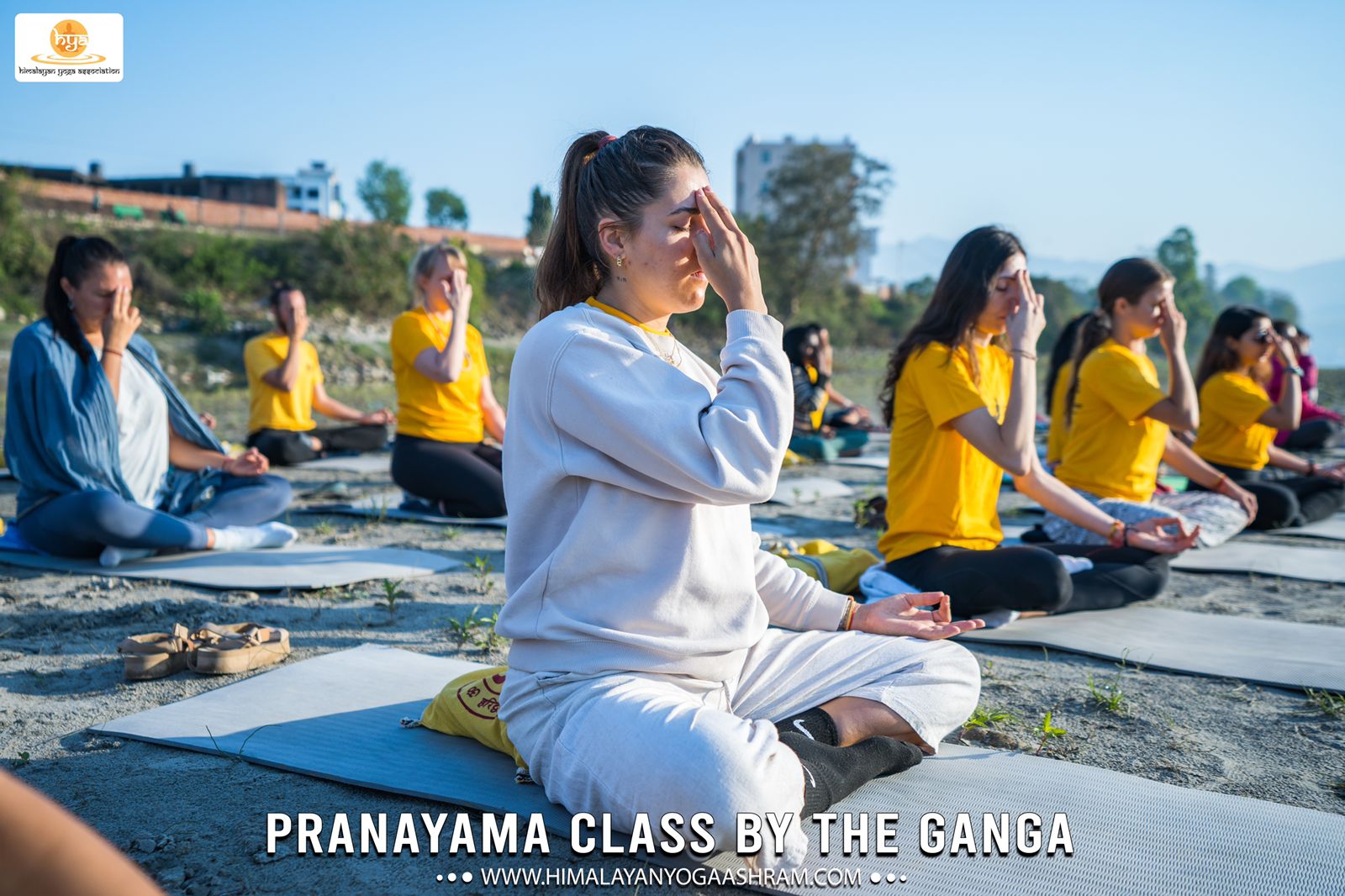
As the name suggests, Pranayama is made of two words prana and ayama. While prana refers to the life force, ayama means to regulate. Prana is the force which keeps the body alive. It lets the various organs function without which the body will perish. In olden times, when people died it was generally said that prana left the body. So, prana was keeping the body alive and kicking. In Yogic science, all our actions are the result of the life force. When we do breathing exercise as per Ashtanga Yoga, we raise the vitality of the prana.
Now, the question arises is where do we get this prana? Prana is all around us. It is universal. We draw prana from all the five key elements of the nature. When we talk to someone we receive prana. If the person we are talking to has very low prana, we feel negative. The saint and seers have a very high level of prana and hence we feel the magnetic aura around them and feel uplifted. Our mood is better in the company of yogis, saints and the noble people.
We also receive prana from what we eat and the kind of house we live in. Breath is the carrier or vehicle of this prana to the whole body. Prana flows in the body through thousands of energy channels called Nadis. There are over 72,000 nadis running through the body. The life force flowing through these channels goes to various parts of the body and regulate thoughts and actions. High level of prana also means better mental health. Such people have a very high level of confidence, self-esteem, dignity, discipline and will power. They have calming influence on others and have a very positive personality.
Low level of prana causes physical and mental illnesses. Depression, anxiety, low self-esteem and several other such disorders are caused by low level of prana. Not surprisingly, yoga teachers advise various breathing exercises in case someone is feeling low. A couple of long breaths instantly bring difference. All of us can imagine the benefits of practicing pranayamas for longer duration.
Being the vehicle of prana, our breath patterns tell us about state of mind and physical health. Each emotion manifests in the breath. When we are angry, our breath is shallow while the breath is deep and long when we are in a calm state of mind. Through regular practice of pranayama, we know our body and mind and their inter-connection. Once we know it we can solve many problems by regulating our prana through breath. The great saints and seers lived longer life by practicing asanas and pranayamas. There are various techniques and types of pranayamas which help us redirect our energy flow.
One of the most popular pranayama is Anuloma-Viloma or Alternate Nostril Breathing and is known to have immense benefits. The other widely practicsed pranayamas and breathing techniques are Kapalbhati, Bhastrika (Bellow’s breath), Bhramari, Yogic Breathing, and Ujjayi breathing:
Anuloma-Viloma: The alternate nostril breathing is very effective in strengthening the central nervous system, releasing stress, treating depression, controlling cardiovascular diseases among many other things. For this technique, sit in a relaxed position, and block your right nostril with your thumb and breathe in through left nostril. Inhale till your point of comfort. Now block your left nostril with your ring finger and breathe out. Exhale for the same duration as your inhalation. Now inhale through the right nostril while blocking left one with your ring finger and repeat the same process as mentioned above. This completes your one round. Ten such rounds must be practiced initially, increasing the duration of inhalation and exhalation gradually. The ratio of 12:24 is ideal and it helps calm brain and heart while making nervous system strong.
Kapalbhati: Also called as frontal brain cleansing technique, Kapalbhati helps purify ida and pingala nadis and prepares mind for any kind of mental work or meditation. It also helps to get rid of lethargy and helps one feel active. To practice this technique, sit in a comfortable position and inhale through both your nostrils as the abdomen expands naturally. Exhale with a quick contraction of the abdominal muscles but do not strain. Do five rounds of passive inhalation and forceful exhalation in the beginning, while remembering not to apply too much pressure. As you have more practice you can gradually double the rounds. After completing the rounds, bring your focus between your eyes and feel the calm spreading inside. It is recommended that Kapalbhati must be practiced after asanas or neti and before pratyahara and dharana technique.
Bhastrika: The pranayama technique also known as Bellow’s breath cleanses lungs and respiratory system by removing toxins, and improves the circulation of oxygen in the body. It can be performed in slow, medium or fast pace depending on your comfort level. Sit in padmasana or any other comfortable position and relax the body. Take a deep breath in and exhale forcefully through nose. Repeat the process with the same force. The abdomen expands while breathing in and contracts while breathing out. Ten sets of rapid inhalation and exhalation make for one round. This can be practiced till five rounds in the beginning. Bhastrika has the energising effect on the entire body, removes excess phlegm, relaxes mind, and tones abdomen muscles.
Bhramari: Named after the black bee Bhramari Pranayama is very effective in de-stressing mind, eliminating worries, and has a calming effect overall. It can be done anywhere with complete ease. For doing this pranayama, sit with your spine and back straight and relax your body. Place your index fingers of both your hands on the ears. Take a deep breath in and press the cartilage with your fingers while exhaling. While doing this, make a loud humming sound from the back of your throat. Repeat it for 3-4 times to see the difference. The pranayama is highly beneficial for those who have hypertension, anger issues, or anxiety.
Yogic Breathing: This pranayama infuses energy channels with prana and reinvigorates the whole body. Yogic breathing involves three different sections of the abdomen and three lobes of the lungs. First, we take deep inhalation involving the abdomen, chest and clavicular region. While inhaling, allow the abdomen to rise and expand as much as it can. Once ribs have expanded, breathe in again to ensure collar bones move slightly up. Then exhale slowly allowing the collar bones and chest to rest. One complete inhalation and exhalation makes for one round of yogic breathing. Repeat this for 10-15 times.
Ujjayi breathing: Ujjayi breathing is also called ocean breath as while doing it the sounds made from the throat resemble that of an ocean. The pranayama releases tension, boosts immune system, improves memory and improves sleep quality. During Ujjayi breathing, heat is generated in the body and has tranquilising effect. For doing this, sit in a comfortable position with eyes closed and the body relaxed. Then take few breaths in feeling the inhalation through the nostrils. Then take the attention to the throat area. As you inhale deeply gently contract the glottis to make a snoring sound. Focus on the sound produced by breath. Ujjayi breathing improves the vitality of prana and removes negativity. Ujjayi breathing technique accentuates the benefits of asanas in Ashtanga Vinyasa Yoga.
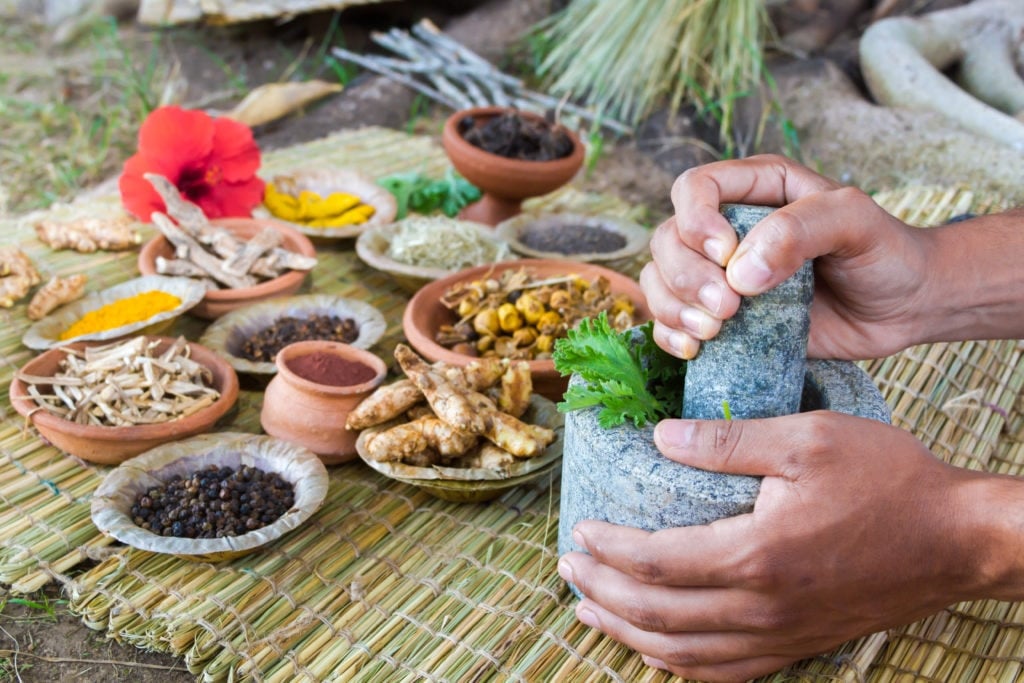
Ayurveda is the ancient system of medicine which enjoyed the patronage and assistance of royal families and the common man. It has a suffered immensely at the hands of certain vested interests who never wanted it to develop and all efforts were made, and are still in vogue, to deride this brilliant system of health. Despite all the slander campaign, disinformation and division, it has stood the test of time and valiantly encountered all the attacks unleashed by unscrupulous vested interests. It still enjoys favour with the rural masses and also with those who migrated to big cities.
Ayurvedic medicines have been handed down to us from generations and ages and are, thus, imbedded in our memories and practice. It is not an alien therapy, it has been carved our of our necessity. It is a well established rule and belief, and quite rightly and justifiably so, that the vegetations, minerals, air, water, climate are the potent and effective vehicles cure a person living on a particular soil. Nature, in its wisdom, grows certain products on a particular soil and those very products, when used in health or disease, will answer many health problem if the inhabitants.
Ayurveda is based on three basic factors (known as ‘Doshas’), viz. Vata (wind), pitta (Bide) and kapha (Phlegm) which, if imbalanced, would disturb economy of the person and resultantly one falls ill. As for temperaments, there are three types there of viz sattva, rajas and tamas. The age of a person is also divided into three parts – childhood, middle age and old age. So, Ayurveda not only diagnoses and treats a person with the aid of medicines, it also takes into account ‘prakriti’ (Nature) of a person, because temperament of a person upsets his mental state, as a result of which his body, too has to bear the brunt. The combined resultant outcome manifests in the form of disease. It can be easily deduced that Ayurveda treats mind, body and intellect of a person and does not treat a person in isolation.
Ayurveda aims at rooting out the disease and that is why if takes quite long time to achieve the desired end. Modern man id too busy to wait for a longer period to get relief. His choice falls on other quick-result-yielding snap shot methods, He is hardly concerned with the stark fact that, in the absence of cure, he may have his disorder treated but he is unware that the suppressed symptom might emerge in the form of other disorders which, at times, assume dangerous and incurable portents. Is it not a wonder that even allopaths often prescribe medicines, purely medicines, purely based on Ayurveda formula.
Ayurvedic theory believes that all causes and sources of human illness stem from imbalance and disturbed mechanism of three humours. When they remain fully balanced and function with perfect harmony and unison, the human body hardly faces any health disorder but if the three humours function otherwise, the body is liable to face the consequences, in the form of disordered health health status. Further, Ayurveda also firmly believes that indigestion and constipation are the root causes of almost all the disorders.
The equation is quite simple : when the ingested food does not digested, it continues to decay intestines, thus giving rise to intestinal worms, colic, sour and acidic eructations and rising, gas formation, gastralgia, bloating of abdomen, nausea and vomiting etc. In a way entire digestive system gets disturbed. Diarrhoea or constipation often ensue – the latter being more replete with the aforesaid symptoms. So, if you want to stay free from all the said, or at least most of them, keep your bowel functioning in perfect healthy condition.
According Ayurveda materia medica, the ayur physician not only takes into consideration status of the humours, he also prescribes medicines, on the basic of predominance of Rasa (fluids, liquids). The food we take is divided into 4 principle categories such as (i) Vegetables, (ii) Fruits (iii) Flesh (iv) Cereals. The nature/tendency of a person is judged from the food one takes. Foods taken or preferred form the basis of nature and personality of a person.
An old adage speaks of volumes in this respect: We are what we eat or it means it is the food pattern that curves out and distinguishes our ‘prakriti’ (Nature). When prescribing any medicine, the physician would prescribe the medicine that is in conformity of the eating habits of a person.
Further, the human body is composed of seven Dhaatus or constituents which may be summarised as follows:
(i) Rasa (Humours of the body)
(ii) Rakta (blood)
(iii) Mansa (Flesh)
(iv) Meda (Fat content)
(v) Asthi (Bones)
(vi) Majja (Bone Marrow)
(vii) Shukra (Semen).
The body removes filthy matters from the body by three ways which are known as ‘Malas’ (Impurities) such as (i) faeces (ii) urine and (iii) sweating. These impurities are waste and the end products of our body which the body excretes at regular intervals. But for the excretion of such waste products, our body would have assumed the form of filth-collection (store) house. Any obstructive factor, that inhibits excretion of waste material, is considered to basic cause of many genito-urinary, digestive and skin diseases. In the light of these observations, there is nothing wrong in saying that Malaavrodha (suspension to abstraction of waste materials) is also the cause of most of disorders. The basic concept of Ayurveda is totally at variance with the allopathic theory which believes that diseases are caused by germs/infaction.
In order to keep the body free from disease, it is imperative that the three humours must remain fully balanced and there should be a proper cohesion and perfect co-ordination between body, mind and soul. Ayurveda aims to restore a perfect balance amongst the aforesaid three humours and also three aspects of a human being.
This is custom heading element
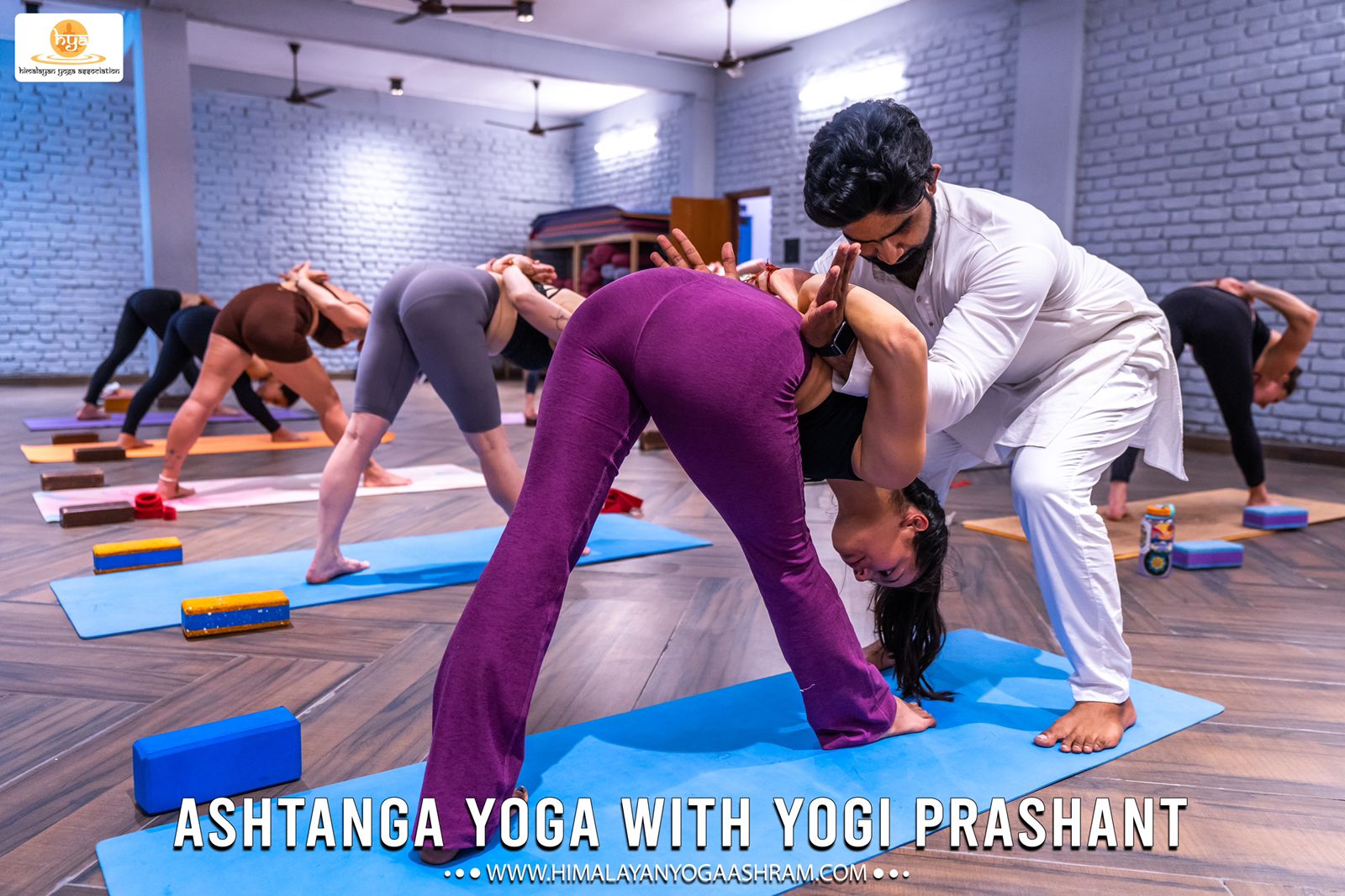
Ashtanga Yoga Postures
Ashtanga yoga primary series sequence made by K. pattabhi jois, In 200 hours yoga TTC we teach our students basics of Ashtanga yoga and we guide them through the completely Ashtanga yoga series in a systematically way according to the ashtanga yoga tradition which includes-
Sun salutation A
Sun salutation B
Standing sequence postures
Seated sequence postures
Finishing sequence postures
Mysore style/ use of yoga props/ Teaching practice
On 1st week- introduction to Ashtanga yoga followed by Sun salutation A & B.
On 2nd week – Standing sequence postures & use of yoga props.
On 3rd week – Seated sequence postures & Finishing sequence postures.
On 4th week – Mysore style & Teaching practice.
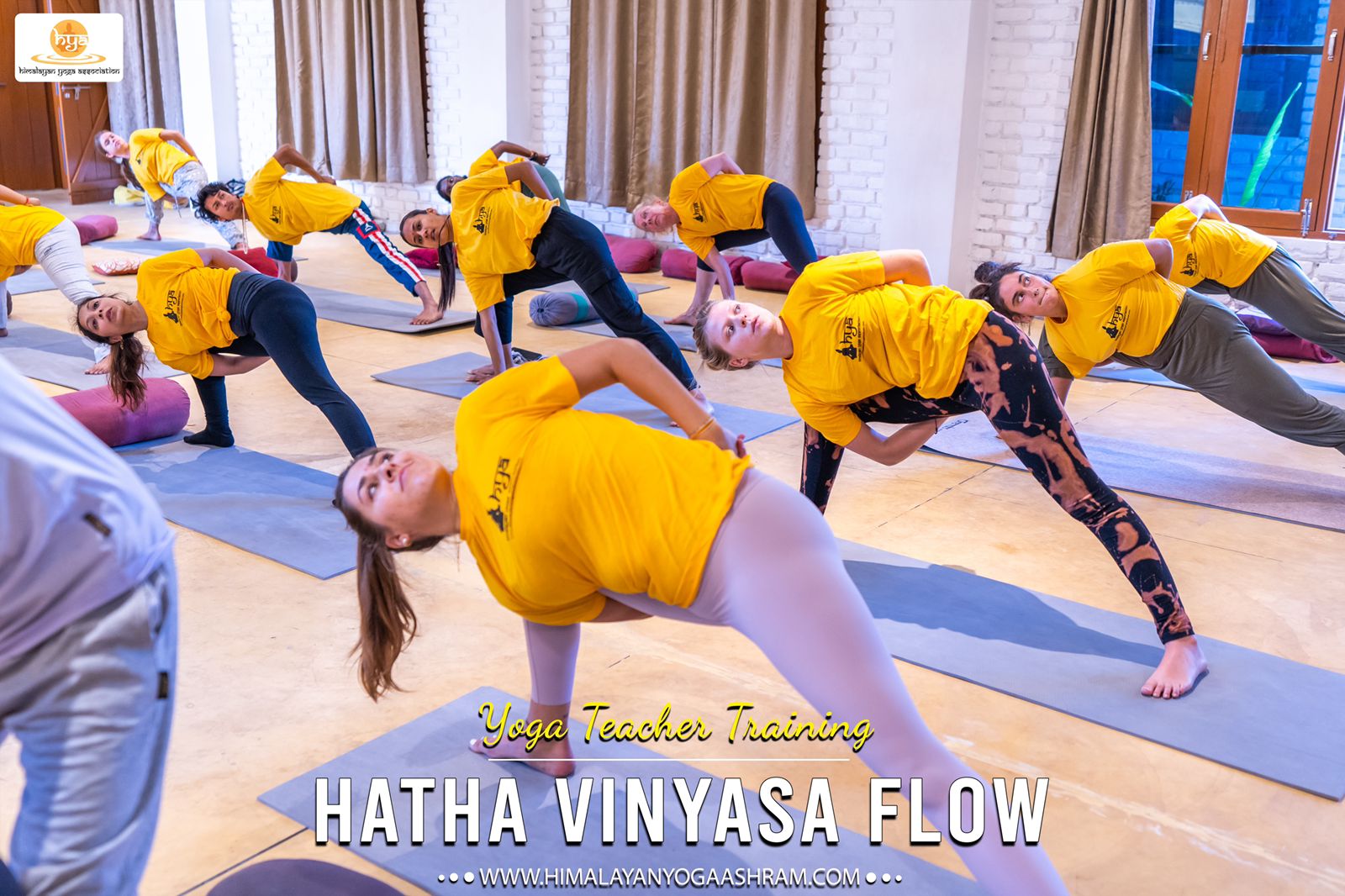
Hatha Yoga/ Vinyasa Flow (Asanas) 1 st to 3rd week
Sun Salutations
Standing & Balancing Postures
Seated Postures
Prone Postures
Supine Postures
Back-bend postures
Inversions
4th week
Teachings
Doubts
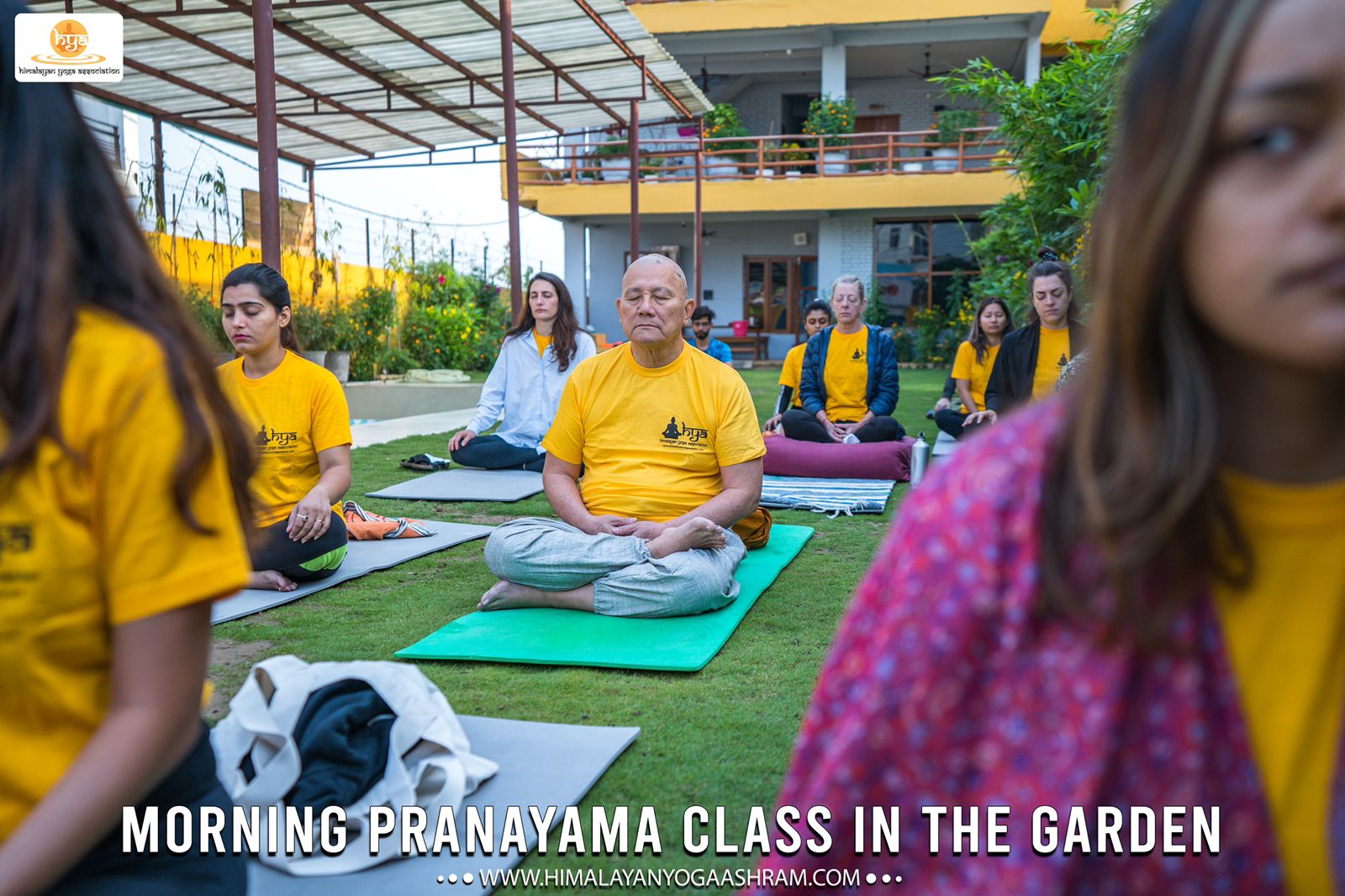
Meditation Practices
Introduction to meditation (What is Meditation)
Body Awareness Meditation
Mind Awareness Meditation
Breathing Awareness Meditation
Om Meditation
Mantra Meditation Practices
Trataka meditation
Dynamic meditation
Art of self silence Practice
Yog nidra
Walking meditation Practice
Deep listening meditation
Teaching Practices of Students.
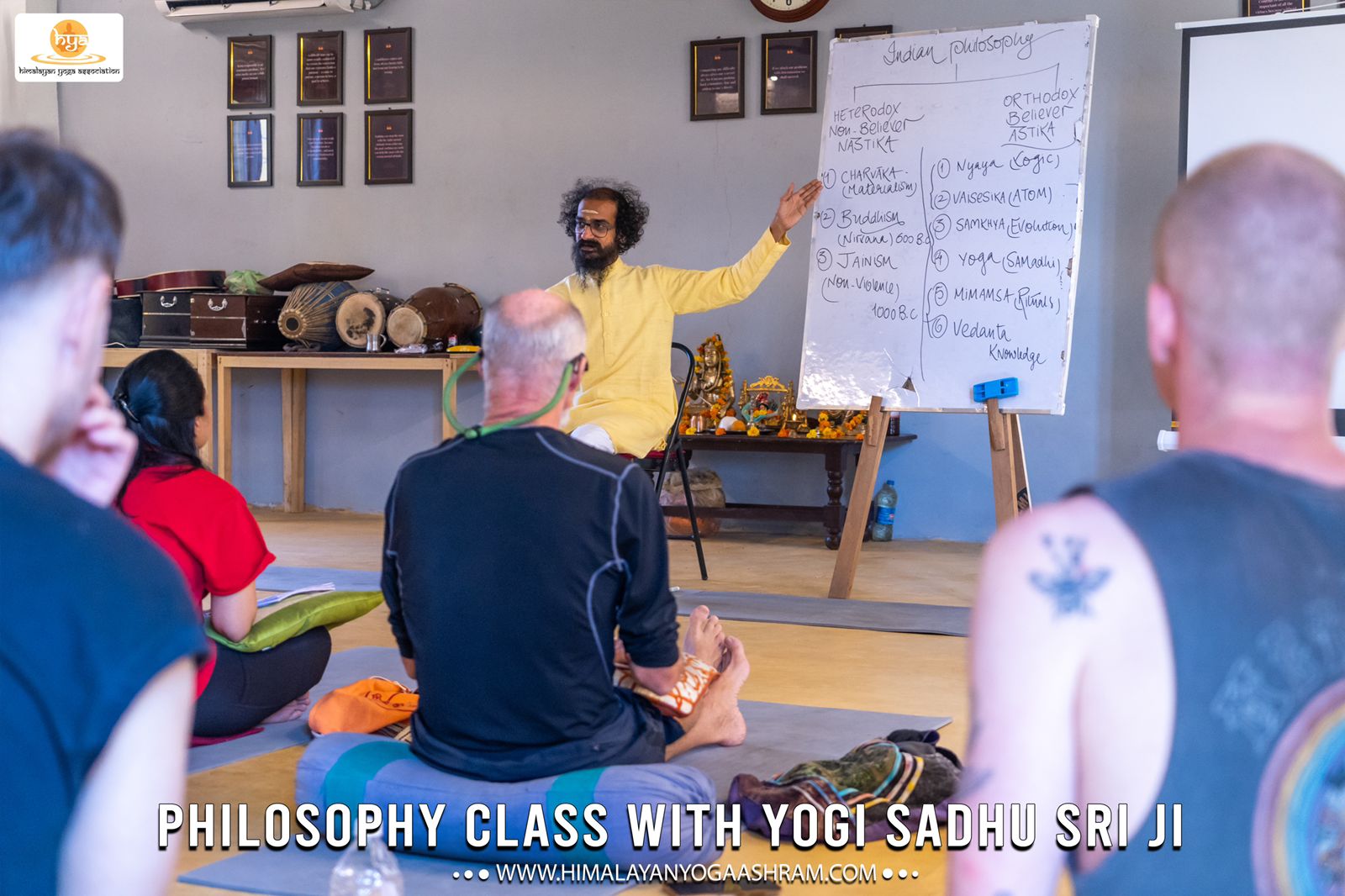
Yoga Philosophy (Yoga Darshana)
What is Yoga & It’s history ?
Lifestyle of a yoga practitioner.
What are Yoga sutras/ 8 limbs Of Yoga ?
Introduction of srimad bhagavad gita.
Understanding all 4 paths of yoga-
Karma Yoga
Bhakti Yoga
Gyan Yoga
Dhayan Yoga
What is hatha yoga ?
What are trigunas ?
What is ego ?
Freedom from unhappiness.
Realizing pure consciousness.
Stories of the enlighten yogis.
Assignments & activities.
Presentation on any topic to the teacher.
Pranayama (Breathing Practices)
Introduction of Pranayama
Benefits of pranayama
General guidelines
Clavicular Breathing
Thoracic and Diaphragmatic Breathing
Yogic Breathing
Ujjayi Pranayama
Bhastrika Pranayama
Kapalbhati Pranayama
Nadi – Sodhana Pranayama
Bhramari Pranayama
Surya Bhedi & Chandra Bhedi pranayama
Sheetali & Sheetkari pranayama
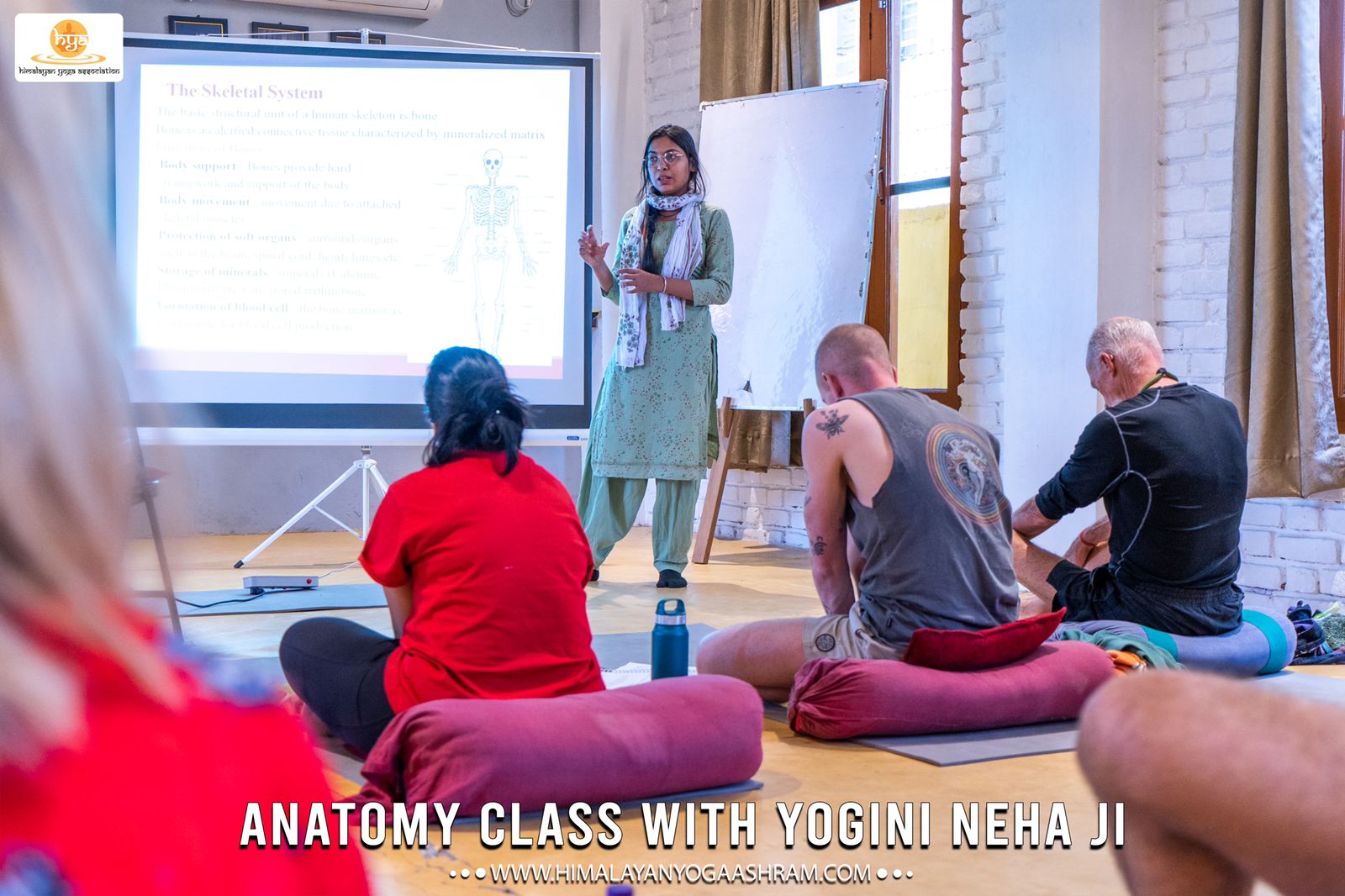
Yoga Anatomy & Physiology
1st week
Meaning & Importance / Introduction of anatomy & physiology
Directional terms of anatomy
Introduction of skeleton structure & functions
Bone anatomy & human skeleton system
Important names of human skeleton system
Angular movements of human body
Assignment paper submission/ activities/ exercises
2nd Week
Introduction of joints
Function of all types of joints
Anatomy of synovial joints (Knee)
Types of synovial joints & their functions
Types of cartilage & connective tissues
Pectoral girdle introduction & functions
Pelvic girdle introduction & function
Ankle & wrist joints
Assignment/ Activities/ Exercises.
3rd Week
Introduction & Importance of anatomy
Human Cells, Types of Tissues, Organs
Digestive system in short
Respiratory system in short
skeletal system in short
muscular system in short
4th Week
Presentation on any topic to anatomy teacher.
Assignments & activities.
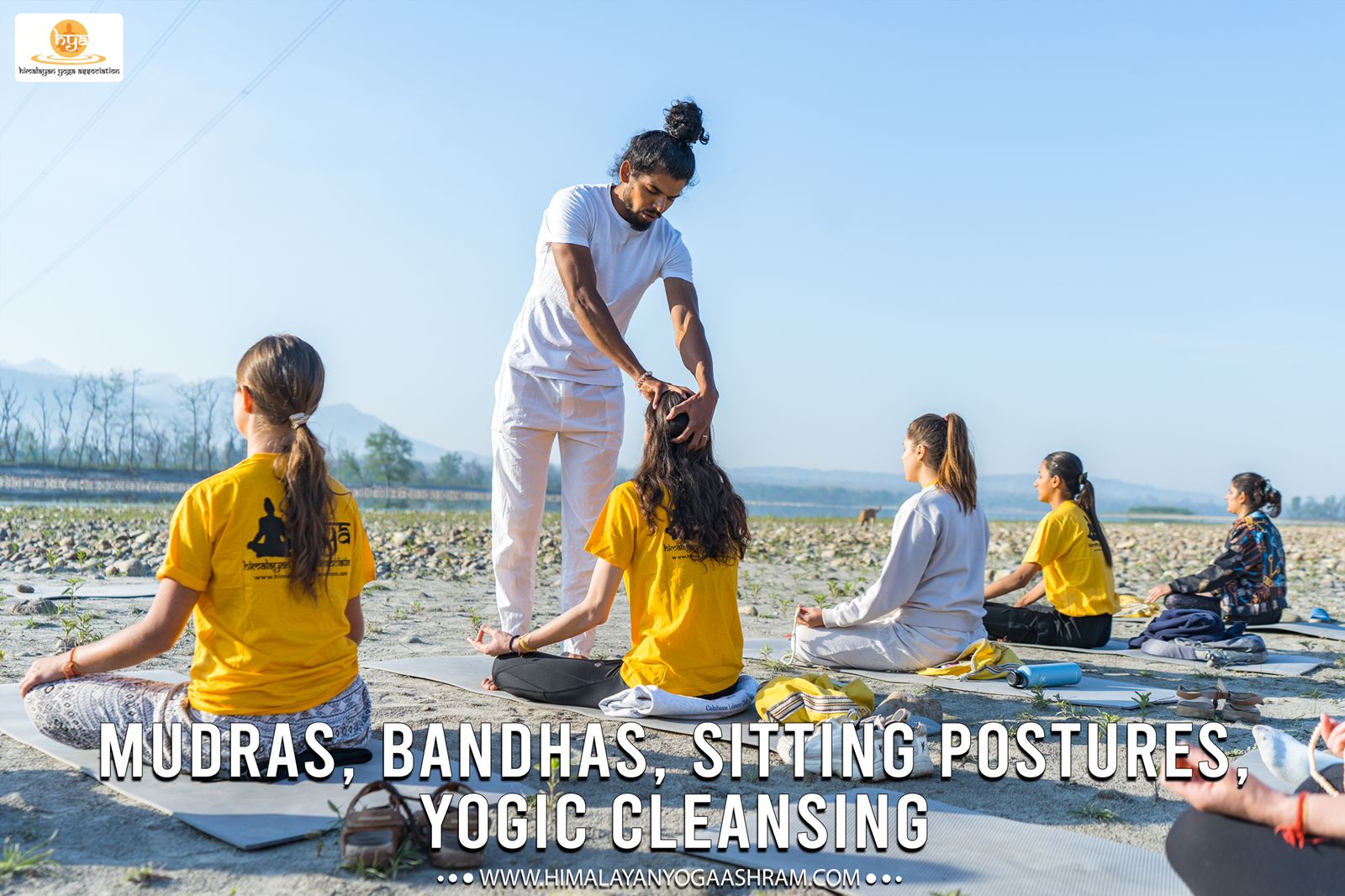
Mudras (Yoga Gestures)
Jnana mudra
Chin mudra
Bhairava mudra
Nasikagra
Yoga Bandhas (Energy Lock)
Preparation
Uddiyana
Jalandhar
Mula & Maha Bandha
Yoga Cleansing (Shatkarma)
Rubber-neti
Jalaneti
kunjal kriya
shankh prakshalan kriya
Sitting postures for pranayama sadhana
Easy pose
Half-lotus
Swastikasana
siddha yoni asana
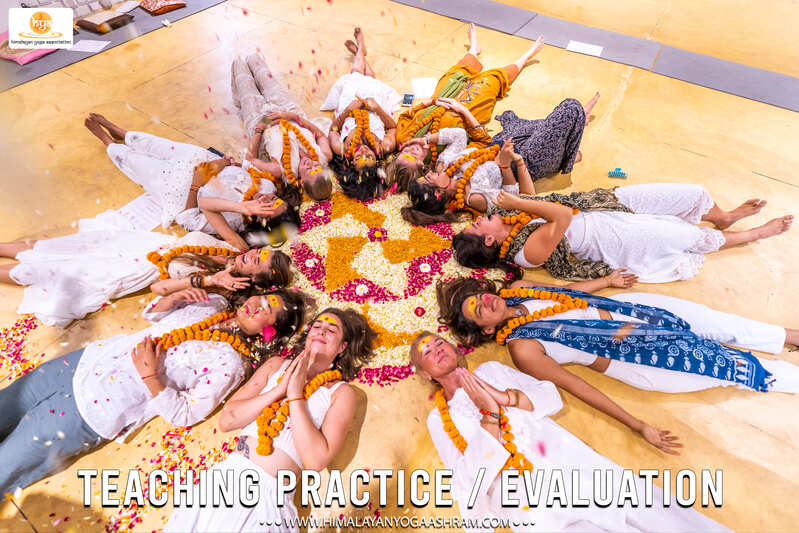
Teaching Practice & Methodology
Demonstration
Instructions
Alignment
Adjustment
Evaluation are based on
Written Test
Asana Practical Test
Attendance
Performance
Behaviour
200 Hour Yoga Teacher Training School in Nepal - Course Syllabus
Ashtanga Yoga Postures
Ashtanga yoga primary series sequence made by K. pattabhi jois, In 200 hours yoga TTC we teach our students basics of Ashtanga yoga and we guide them through the completely Ashtanga yoga series in a systematically way according to the ashtanga yoga tradition which includes-
Sun salutation A
Sun salutation B
Standing sequence postures
Seated sequence postures
Finishing sequence postures
Mysore style/ use of yoga props/ Teaching practice
On 1st week- introduction to Ashtanga yoga followed by Sun salutation A & B.
On 2nd week – Standing sequence postures & use of yoga props.
On 3rd week – Seated sequence postures & Finishing sequence postures.
On 4th week – Mysore style & Teaching practice.
Hatha Yoga/ Vinyasa Flow (Asanas) 1 st to 3rd week
Sun Salutations
Standing & Balancing Postures
Seated Postures
Prone Postures
Supine Postures
Back-bend postures
Inversions
4th week
Teachings
Doubts
Meditation Practices
Introduction to meditation (What is Meditation)
Body Awareness Meditation
Mind Awareness Meditation
Breathing Awareness Meditation
Om Meditation
Mantra Meditation Practices
Trataka meditation
Dynamic meditation
Art of self silence Practice
Yog nidra
Walking meditation Practice
Deep listening meditation
Teaching Practices of Students.
Yoga Philosophy (Yoga Darshana)
What is Yoga & It’s history ?
Lifestyle of a yoga practitioner.
What are Yoga sutras/ 8 limbs Of Yoga ?
Introduction of srimad bhagavad gita.
Understanding all 4 paths of yoga-
Karma Yoga
Bhakti Yoga
Gyan Yoga
Dhayan Yoga
What is hatha yoga ?
What are trigunas ?
What is ego ?
Freedom from unhappiness.
Realizing pure consciousness.
Stories of the enlighten yogis.
Assignments & activities.
Presentation on any topic to the teacher.
Pranayama (Breathing Practices)
Introduction of Pranayama
Benefits of pranayama
General guidelines
Clavicular Breathing
Thoracic and Diaphragmatic Breathing
Yogic Breathing
Ujjayi Pranayama
Bhastrika Pranayama
Kapalbhati Pranayama
Nadi – Sodhana Pranayama
Bhramari Pranayama
Surya Bhedi & Chandra Bhedi pranayama
Sheetali & Sheetkari pranayama
Yoga Anatomy & Physiology
1st week
Meaning & Importance / Introduction of anatomy & physiology
Directional terms of anatomy
Introduction of skeleton structure & functions
Bone anatomy & human skeleton system
Important names of human skeleton system
Angular movements of human body
Assignment paper submission/ activities/ exercises
2nd Week
Introduction of joints
Function of all types of joints
Anatomy of synovial joints (Knee)
Types of synovial joints & their functions
Types of cartilage & connective tissues
Pectoral girdle introduction & functions
Pelvic girdle introduction & function
Ankle & wrist joints
Assignment/ Activities/ Exercises.
3rd Week
Introduction & Importance of anatomy
Human Cells, Types of Tissues, Organs
Digestive system in short
Respiratory system in short
skeletal system in short
muscular system in short
4th Week
Presentation on any topic to anatomy teacher.
Assignments & activities.
Mudras (Yoga Gestures)
Jnana mudra
Chin mudra
Bhairava mudra
Nasikagra
Yoga Bandhas (Energy Lock)
Preparation
Uddiyana
Jalandhar
Mula & Maha Bandha
Yoga Cleansing (Shatkarma)
Rubber-neti
Jalaneti
kunjal kriya
shankh prakshalan kriya
Sitting postures for pranayama sadhana
Easy pose
Half-lotus
Swastikasana
siddha yoni asana
Teaching Practice & Methodology
Demonstration
Instructions
Alignment
Adjustment
Evaluation are based on
Written Test
Asana Practical Test
Attendance
Performance
Behaviour
500 Hour Yoga Teacher Training In Nepal Dates
1st month is followed by 200 Hour Teacher Training daily schedule
TimeSchedule
6:00 AmMorning Bell
6:00 – 7:00 AmShat-karma & Pranayama
7:00 to 8:00 AmMeditation
08:00 to 09:00 AmHatha Vinyasa Flow
9:15 Am Breakfast
10:00 to 11:00 AmYoga philosophy
11:00 to 12:30 pmAlignment, adjustment
12:30 to 1:30 PmYoga Anatomy
1:30 Pm Lunch
3:30 to 5:00 pmAshtanga Vinyasa
5:30 pmTea Break
7:30 pm Dinner
10:00 PmLights off
2nd month is followed by 300 hours yoga daily schedule
TimeSchedule
6:00 Am
Morning Bell
6:00 to 7:00 Am
Shat-karma & Pranayama
7:00 to 8:00 Am
Meditation
8:00 to 9:30 Am
Hatha Vinyasa flow
9:30 Am
Breakfast
11:00 to 12:00
Yoga philosophy
1:30 Pm
Lunch
3:00 to 4:30 Pm
Yoga anatomy/ Ayurveda/ therapy
4:30 pm
Tea break
5:00 to 7:00 pm
Ashtanga Vinyasa and alignment adjustment class
7:30 Pm
Dinner
10:00 Pm
Lights off
500 hour yoga teacher training course Nepal
DatesAvailabilityCourse Fee (Indian Participant)Course Fee (International- Participant)
1 Mar 2023 to 28 Apr 2023Closed1,10,000 INR1800 USD
1 Apr 2023 to 28 May 2023Closed1,10,000 INR1800 USD
1 May 2023 to 28 June 2023Available1,10,000 INR1800 USD
1 Jun 2023 to 28 Jul 2023Available1,10,000 INR1800 USD
1 Jul 2023 to 28 Aug 2023Available1,10,000 INR1800 USD
1 Aug 2023 to 28 Sep 2023Available1,10,000 INR1800 USD
1 Sep 2023 to 28 Oct 2023Available1,10,000 INR1800 USD
1 Oct 2023 to 28 Nov 2023Available1,10,000 INR1800 USD
1 Nov 2023 to 28 Dec 2023Available1,10,000 INR1800 USD
1 Dec 2023 to 28 Jan 2024Available1,10,000 INR1800 USD
Payment Gateways
Indian Participants

International Participants

What is included in Yoga Course Fee?
-
57 nights accommodation
-
2 complementary Ayurvedic full-body massage in the in-house spa
-
Ayurvedic consultation
-
3 daily delicious and nutritious meals and teas
-
Certificate upon successful completion
-
1 complementary 7 days online workshop
-
Weekend excursions to waterfalls, temples, mountains etc.
-
Free Wi-Fi
-
School t-shirt/tote bag
-
Course manual
-
Course materials
-
Yoga mats, blocks, straps, and bolsters
-
Weekday events such as traditional mountain style dinner, cooking class of vegetarian Indian dishes, movie night
-
Complimentary pick-up from Dehradun airport
What is not included in Yoga Course Fee?
-
$700 USD for international participant & 30,000 INR for Indian participant extra for Private Accommodation
-
Any Personal Expanses
-
Any Medical Expense
-
Any Transportation
-
Extra Class
-
1500 INR - sharing accommodation / 2500 INR - private accommodation
How to prepare yourself for the course?
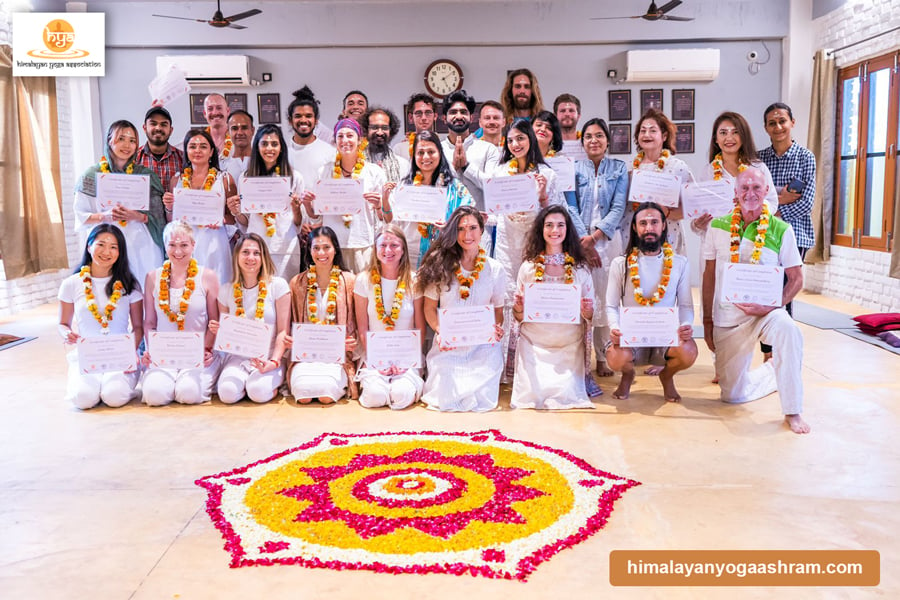
Do you dream of becoming a successful yoga teacher? Do you look forward to a quality yoga teacher training from a recognised yoga institution? Then a professional yoga teacher training in Nepal is right for you! Not only does it equip you with the necessary skills and know-how to teach yoga, but also prepares you mentally, physically and spiritually to be able to embark upon a wonderful yogic journey and venture ahead. So if you are wondering how to add a great start to your plans, then here it is important to keep in mind that your preparations prior to joining a yoga school, count! Read on to find out more on how to prepare yourself for your upcoming 500 hour yoga teacher training course in Nepal.
To set your stepping stone to success in the field of teaching yoga, here are some key factors to keep in mind:
Read some quality yoga literature
Investing in some books updates your know-how on the history of yoga, its philosophy and so on. This will acquaint you to the subject and the evolution of yoga over time.
Physical and mental preparation
The daily regimen to be followed during a yoga teacher training in Nepal program, could start as early as 5.30 to 6 a.m and end by 8 to 10 p.m. The entire day keeps you busy with arduous yoga sessions under the guidance of the yoga expert teachers with theory classes to add to it and other such activities. So joining a fitness routine, adopting healthy eating habits and reading blogs on yoga training experiences helps one to be mentally prepared prior to the commencement of the program.
Researching yoga schools in Nepal
Though you will find plenty of yoga school in Nepal, they may however differ in terms of the style of yoga, the teachers, reviews and ratings, fees and so on. These are some of the crucial factors to check while doing your research and more importantly if the yoga school chosen by you is recognised by the Yoga Alliance or not. So make sure you enrol for a Yoga Alliance certified 500 hour yoga teacher training school in Nepal that will make you eligible to teach anywhere in the world.
The RYT500 yoga teacher training certification happens to be the most popular certification course in yoga teaching demanded by aspiring yoga teachers and practitioners, intended to provide you a month long intensive foundation on the concepts of learning yoga and the art of teaching the same .
Practicing daily and on a serious note
Before joining our best 500 hour yoga teacher training in Nepal, practicing frequently and seriously will allow you to achieve a better insight into your strengths and weaknesses. This will help you understand the areas that need more focus from your end and the kind of queries that you may have to ask your teachers during the course sessions.
So make the most of 500-hour your yoga teacher training program without having to lose on your precious sleep over it! Stay positive to be able to look forward to the course with much interest and enthusiasm.
Yogic food to suit yogic lifestyle
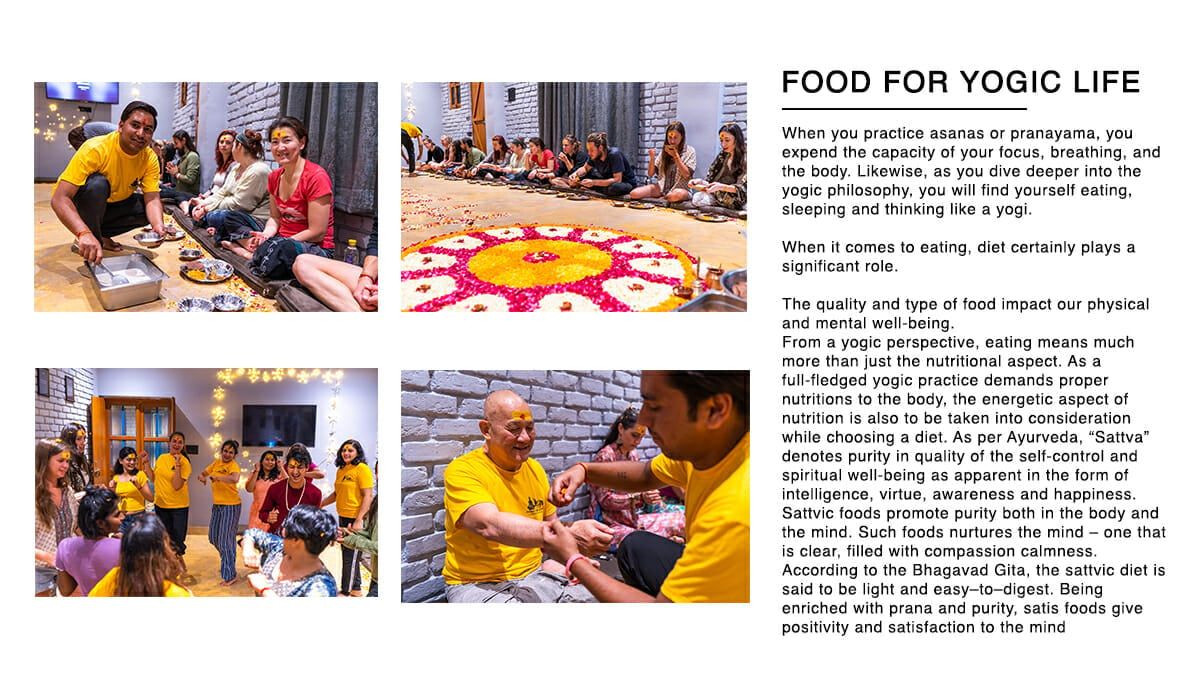
Each time you work on a yoga pose or practice pranayama, you intensify your capacity to exercise control over your focus, breath and body. Likewise, as you delve deeper into the yogic philosophy, you will find yourself eating, sleeping and thinking like a yogi! And when it comes to eating, diet certainly plays a significant role.
It is a known fact, that food is an important element and life-giving energy to the human body. The quality and type of food impact our physical and mental well-being.
When nutrition is talked of from a yogic perspective, it includes much more than just the nutritional content of the food. As a full-fledged yogic practice demands the proper supplementation of the body with nutrients, the energetic aspect of nutrition is also to be taken into consideration while determining your choice of diet.
Meat or no meat?- The dilemma
Many yogis are faced with this question. As heard from many, practitioners feel that after long hours of practice, there comes a point when they do not really feel right or ready to consume non-vegetarian food anymore!
So what is the correct yogic diet (Sattvic Diet)?
Have you ever observed the impact that your food intake has been having upon your practice of yoga? It has been evident that some foods might wreck internal turmoil in the form of bloating or other such digestion disorders. On the other hand, there are some foods that are said to be more subtle and suitable to the body and mind.
The concept of Ayurveda, the sister science of yoga, enlightens us on the impact of different foods on our overall physical, spiritual and mental well-being. As per Ayurveda, “Sattva” denotes purity in quality of the self-control and spiritual well-being as apparent in the form of intelligence, virtue, awareness and happiness. Thus foods that are sattvic, promote purity in terms of both mind and body. They help nurture the mind – one that is clear, filled with compassion and keeps calm.
Following Sattvic diet
The good news for yogis is that Sattvic foods are absolutely vegetarian! Thus no animals are harmed in the making of such foods as they do not contain any animal products. These foods should be naturally cultivated and should not include any harmful preservatives, additive substances or artificial flavors.
What does a Sattvic diet or Food consist of?
A sattvic diet generally includes:
- Fresh, organically grown fruits and vegetables
- Nuts and whole grains
- Dairy – based foods example ghee (clarified butter ) and milk
- Lentils
- Beans
- Oils that are plant-based
- Foods with mild sweetness containing natural and unrefined sugars
- Spices such as turmeric, ginger, coriander, basil and cinnamon
How is Sattvic diet beneficial?
A sattvic diet aids in sharpening your intellect. According to the Bhagavad-Gita, the sattvic diet is said to be light and easy–to–digest. Being enriched with prana or purity, it fosters positive thoughts and satisfaction of the mind. Following such a diet can keep you alert, refreshed and peaceful.
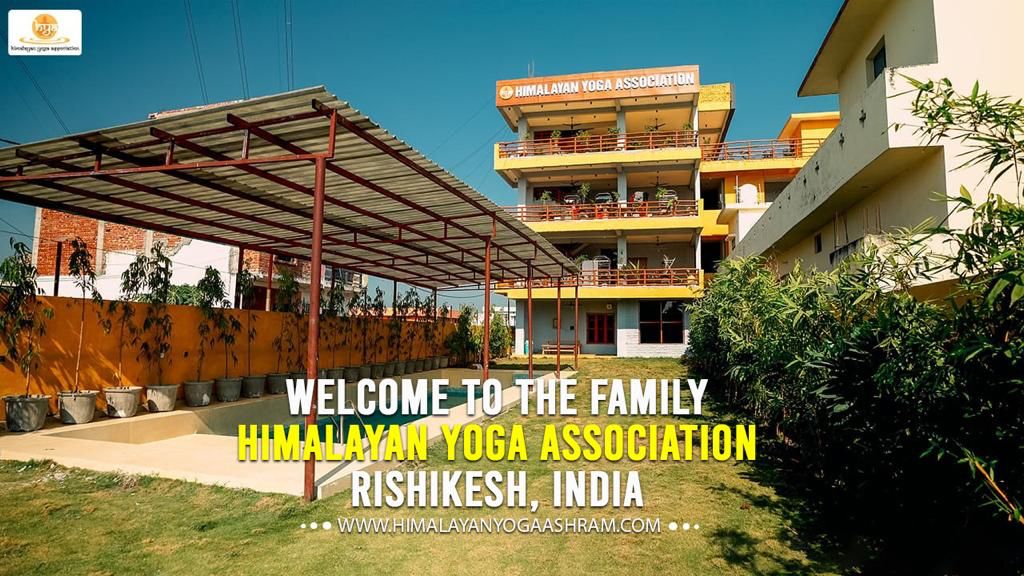
Programs Terms and Conditions/Refund Policy - 500 Hour Yoga Teacher Training in Nepal
All classes are mandatory only in case of an emergency or illness one can take leave with respected teacher permission. Uninformed leaves won’t be accepted and this will leave bad impression on student monthly performance.
Prerequisites – A high degree of self-motivation is required for all aspects of the course. The practice and especially the teaching of yoga demand a high degree of self-discipline and purity. To ensure the success of the program, participants are required to attend all spiritual activities, meditation sessions, lectures and asana classes. Meat, fish, eggs, black tea, coffee, alcohol, tobacco, drugs and nudity are prohibited during the course as they are counterproductive to the yoga practice. Participants who do not comply with the school rules may be dismissed from the course.
Discipline Rules for Students – Smoking and alcohol are strictly prohibited in the school. If you are having a fast any day, you have to inform kitchen manager for avoiding food waste. Always make discipline, respect teachers and follow all rules. Always be in the time, you are late means will not be permitted to join class. Clear your books of account before departure from Himalayan Yoga Association. Before departure return your books, maps or any goods which you borrowed. Himalayan Yoga Association provides accommodation for a student who join the yoga course. So any friends or relatives will not be included in accommodation however they can stay in school by renting another room. Student have to be present in all scheduled program of Himalayan Yoga Association.
Refund Policy – The course fees & Booking amount will not be refundable, only in the case of emergency students can join us on other schedules. If student cancel the course after joining it, we accept cancellation but course fees will not be refund in cancellation.