


Smoking and consumption of alcohol are strictly prohibited on the school premises.

500 Hour Yoga Teacher Training in Cambodia
About Yoga Teacher Training Course
Himalayan Yoga Association proudly offers a Yoga Alliance USA certified 500 Hour Yoga Teacher Training in Cambodia, a 58-day advanced program designed for dedicated yoga practitioners who are ready to take their journey to the next level. This comprehensive training combines both the 200 hour and 300 hour modules into one seamless experience, making it ideal for students who wish to become confident, knowledgeable, and highly skilled yoga teachers.
Set in the peaceful and culturally rich environment of Cambodia, our 500 Hour Yoga Teacher Training in Cambodia provides an immersive experience in traditional Hatha, Vinyasa Flow, and Ashtanga yoga. Alongside daily practice, students will explore in-depth yoga philosophy, anatomy, teaching methodology, meditation, pranayama, and breathwork. With the guidance of experienced teachers and the support of a like-minded community, you will grow not only as a practitioner but also as a teacher and individual.
This training is more than just a certification—it is a powerful journey of self-discovery, transformation, and spiritual growth. Our 500 Hour Yoga Teacher Training in Cambodia is designed to help you connect deeply with your inner self, develop strong teaching skills, and share the authentic essence of yoga with the world.


Why is Himalayan Yoga Association in Cambodia the Best Yoga School in Cambodia for Yoga Teacher Training?
We all human’s are part of mother nature, therefore we have to protect her and we have to follow her footsteps (By Yogi Himanshu) in this philosophy, Himalayan Yoga Association (HYA) has been setting its milestones and achieving them gradually. Starting off with its first center in the Cambodia, HYA has been setting its foot in various parts of the world to train more and more people to live life holistically and realize the true purpose of their existence.
The Yoga School in Cambodia has established itself as a premier training center is considered a landmark destination for those looking to immerse deep into yoga, meditation and philosophy. Besides offering short-term programs for beginners to evoke interest in the ancient practice, there are long-duration courses to let the learners dive deep into the discipline of yoga an invaluable gift to the world.
Learners coming to our schools have been our brand ambassadors and solely through their word of mouth we have carved out a reputation for ourselves as the most preferred yoga teacher training school. But we have never rested on our past laurels and strives to constantly improve our service and facilities. This has helped us expand our footprint and quickly establish new centers.
Under the guidance of Yogi Himanshu, the Himalayan Yoga Association has been spreading its wings — expanding the existing centers and opening new ones in both India and overseas.
The HYA now has branches in Cambodia, Thailand, Bali, Germany and Costa Rica. Many more would come in due course of time.
While doing so, it has painstakingly designed the programs and courses to ensure that yoga training is imparted in its purest form as practiced by the Great Yogis and seers.
While the journey has been quite satisfying so far, the greatest sense of accomplishment comes from seeing thousands of people benefiting from the course, transforming their life and sharing one of the most valuable gifts with others. As people from diverse fields, cultures and countries join the various courses, the HYA has constantly re imagined itself to become the numero uno yoga academy in the world.
Led by the visionary and young yogi, Himanshu Joshi, one of the youngest yoga masters in the world, HYA is poised to reach greater heights in its pursuit to propagate the philosophy of yoga far and wide.
The best place to do 500 hour yoga teacher training program in Cambodia
These factors can be found in a quality yoga school in Cambodia such as Himalayan Yoga Association (HYA) under the residential 500 hour yoga teacher training in Cambodia (RYT500).
A residential program ensures that your food and accommodation needs are also met with in addition to the course program without having to worry about it and thus lets you focus better on the course itself . So make sure you select a unique course package to gain the best of the course on 500 hour yoga teacher training.
Duration of 500 hour yoga teacher training in Cambodia
This course entails the learning and practice of yoga for a duration of 58 Days which will enable you to learn and master the ancient wisdom of the subject along with other fellow aspirants . You will also learn to imbibe the various skills so as to get rid of the various health related issues such as depression, anxiety etc.
What sets our 500 hour yoga teacher training course in Cambodia apart
A unique program on 500 hour yoga teacher training is that which: Is equipped with a serene ambience that is inspiring Is lively with a heartwarming community Has the guidance of the best yoga teachers experienced in the field Opens up a transformational journey through the creation of new horizons and opportunities in life.
The concept of yoga
It is said that yoga is an effective means of working in favor of the mind, body, energy, and emotion and is hence considered the key to good health and happiness. It has a healing effect on the self without having to spend any money as otherwise, one has to spend on medications and so on to get treatment.
It brings inner peace and keeps you calm even during tough situations.In addition, you may be curious to know more about the fact that yoga has an interesting history. A complex practice, yoga has a history that dates back to a thousand years. It entails challenging postures and has the power to transform lives. So enroll for a Advanced 500 hour yoga teacher training course in Cambodia and transform your career.
What is Yoga Alliance Teacher Training Certification? RYT-500
A timeless institution dating back to more than 5000 years, “yoga” means to unite the soul or “jeevatma” with the universal soul or “paramarma.” An ancient philosophy, this science of self-development, self-transformation and self-awareness educates the individual on both the aspects of health as well as the harmonious way of life.
This holistic discipline integrates the mind, body and soul to foster an ideal balance. The concept of yoga is not just limited to physical exercising, but it also touches the aspects emotional stability while calming the mind and soul.
The last couple of years has seen a rising popularity of yoga particularly in the west on account of its health as well as career prospects endowed by it through yoga teacher training course worldwide. This has in turn led to a rising demand for yoga schools and studios and the preference for quality yoga education that guarantees authenticity and a certificate on successful course completion. So how can you ensure that the yoga school you enrol for is a genuine one and follows the standards of a quality yoga education? Yoga Alliance is the answer.
About Yoga Alliance
Yoga Alliance is a non-profit association based in US which plays an important role by providing the required accreditation to yoga teacher training programs that include 200-RYT, RYT-300, RYT-500 conducted by yoga schools worldwide.
Significance of Yoga Alliance, a certification from Yoga Alliance signifies:
- Your eligibility to teach anywhere in the world in schools offering programs on YTTC
- Your eligibility to start your own yogic venture by setting up a yoga studio that you have dreamed of running
What does the Yoga Alliance do?
Yoga Alliance prescribes the standards for yoga training. To meet such standards, it has been made mandatory to adhere to the same so as to be able to ensure the required amount of study time that is undertaken for the course.
Yoga Teacher Training Course in Cambodia


Join Yoga Alliance Certified Yoga Courses


500 Hour Yoga Teacher Training In Rishikesh India- Introduction Human anatomy is the scientific study of the body’s structures. Some of these structures are very small and can only be observed and analyzed with the assistance of a microscope. Other larger structures can readily be seen, manipulated, measured, and weighed. The word “anatomy” comes from a Greek root that means “to cut apart.” In order to observe structures in living people, a number of imaging techniques have been developed. These techniques allow clinicians to visualize structures inside the living body such as a cancerous tumor or a fractured bone.
Like most scientific disciplines, anatomy has areas of specialization. Gross anatomy is the study of the larger structures of the Human body, those visible without the aid of magnification. Macro- means “large,” thus, gross anatomy is also referred to as macroscopic anatomy. In contrast, micro- means “small,” and microscopic anatomy is the study of structures that can be observed only with the use of a microscope or other magnification devices.
Whereas anatomy is about structure, physiology is about function. Human physiology is the scientific study of the chemistry and physics of the structures of the body and the ways in which they work together to support the functions of life. Much of the study of physiology centers on the body’s tendency toward homeostasis. Homeostasis is the state of steady internal conditions maintained by living things. The study of physiology certainly includes observation, both with the naked eye and with microscopes, as well as manipulations and measurements. However, current advances in physiology usually depend on carefully designed laboratory experiments that reveal the functions of the many structures and chemical compounds that make up the human body.
Like anatomists, physiologists typically specialize in a particular branch of physiology. For example, neurophysiology is the study of the brain, spinal cord, and nerves and how these work together to perform functions as complex and diverse as vision, movement, and thinking. Physiologists may work from the organ level (exploring, for example, what different parts of the brain do) to the molecular level (such as exploring how an electrochemical signal travels along nerves).
Your study of anatomy and physiology will make more sense if you continually relate the form of the structures you are studying to their function. In fact, it can be somewhat frustrating to attempt to study anatomy without an understanding of the physiology that a body structure supports. Imagine, for example, trying to appreciate the unique arrangement of the bones of the human hand if you had no conception of the function of the hand. Fortunately, your understanding of how the human hand manipulates tools—from pens to cell phones—helps you appreciate the unique alignment of the thumb in opposition to the four fingers, making your hand a structure that allows you to pinch and grasp objects and type text messages.
Course Syllabus - 500 Hour Yoga Teacher Training in Cambodia

Ashtanga Vinyasa Yoga
What is Ashtanga Vinyasa Yoga / Its History Introduction to Ashtanga Vinyasa Yoga
Opening Sequence
- Samasthitiḥ
- Surya Namaskar A
- Surya Namaskar B
Standing Sequence Asanas
- Pādaṅguṣṭhāsana
- Pādahastāsana
- Utthita Trikoṇāsana
- Parivṛtta Trikoṇāsana
- Utthita Pārśvakoṇāsana
- Parivṛtta Pārśvakoṇāsana
- Prasārita Pādottānāsana A
- Prasārita Pādottānāsana B
- Prasārita Pādottānāsana C
- Prasārita Pādottānāsana D
- Pārśvottānāsana
- Utthita Hasta Pādāṅguṣṭhāsana A
- Utthita Hasta Pādāṅguṣṭhāsana B
- Utthita Hasta Pādāṅguṣṭhāsana C
- Ardha Baddha Padmottānāsana
- Utkatāsana
- Vīrabhadrāsana A
- Vīrabhadrāsana B
Primary Series (Seated) Asanas
- Dandāsana
- Paścimattānāsana A
- Paścimattānāsana B
- Paścimattānāsana C
- Pūrvottānāsana
- Ardha Baddha Padma Paścimattānāsana
- Tiryāṅgmukha Eka Pāda Paścimattānāsana
- Jānuśīrṣāsana A
- Jānuśīrṣāsana B
- Jānuśīrṣāsana C
- Marīcyāsana A
- Marīcyāsana B
- Marīcyāsana C
- Marīcyāsana D
- Nāvāsana
- Bhuja Piḍāsana
- Kūrmasana
- Supta Kūrmasana
- Garbha Piṇḍāsana
- Kukkuṭāsana
- Baddha Koṇāsana A
- Baddha Koṇāsana B
- Upaviṣṭha Koṇāsana A
- Upaviṣṭha Koṇāsana B
- Supta Koṇāsana
- Supta Pādāṅguṣṭhāsana A
- Supta Pādāṅguṣṭhāsana B
- Ubhaya Pādāṅguṣṭhāsana
- Urdhva Mukha Paścimattānāsana
- Setu Bandhāsana
Finishing Sequence Asanas
- Urdhva Dhanurāsana
- Sālamba Sarvāṅgāsana
- Halasana
- Karnapīḍāsana
- Urdhva Padmāsana
- Piṇḍāsana
- Matsyāsana
- Uttāna Pādāsana
- Śīrṣāsana
- Baddha Padmāsana
- Yoga Mudrā
- Padmāsana
- Utplauthiḥ (Tolasana)
- Śavāsana
- Mysore Style Practice
- Use of Yoga Props
- Teaching Practice

Hatha Yoga / Alignment & Adjustment / Teching Methodology Topics
- Philosophy of Hatha Yoga
- Ancient Scriptures of Hatha
- Yoga Aim and Objectives of Hatha Yoga
- Pavan Muktasana series 1
- Pavanamuktasana series – 2
- Pavanamuktasana series – 3
- Centering postures series
- Surya Namaskara
- Chandra Namaskara
- Padmasana Group of Asanas
- Backward Bending Asanas
- Forward Bending Asanas
- Spinal Twisting Asanas
- Inverted Asanas
- Balancing Asanas

Meditation
- What is Meditation
- OM Mantra Meditation (How to Practice & Its Benefits)
- History of Meditation
- Shiva Mantra Meditation (Om Namah Shivaya) (How to Practice & Its Benefits)
- Passive and Active Meditation
- Chakra Meditation (How to Practice & Its Benefits)
- What is Concentration in Yoga
- Yoga Nidra (How to Practice & Its Benefits)
- Breath Awareness Meditation (Anapana) (How to Practice & Its Benefits)
- Nada Brahma Meditation (How to Practice & Its Benefits)
- Dynamic Moving Meditation (Osho) (How to Practice & Its Benefits)
- Trataka Meditation (How to Practice & Its Benefits)
- Kirtan Spiritual Dancing Meditation (How to Practice & Its Benefits)
- Body Awareness Meditation (How to Practice & Its Benefits)
- Self Surrender Meditation (How to Practice & Its Benefits) Laughing Meditation (How to Practice & Its Benefits)
- Vipassana (Silence) (How to Practice & Its Benefits) Sukhasana (Easy Pose)
- Ardha Padmasana (Half Lotus Pose)
- Dhyana Mudra
- Chin Mudra

Yoga Philosophy
- What is Yoga & Philosophy? Meaning and Goal
- A History and Development of Yoga
- What Are The Eight Limbs of Yoga
- The Yamas (eight limbs of yoga)
- The Niyamas (eight limbs of yoga)
- Asana (Physical Posture)
- Pranayama (Breathing techniques)
- Pratyahara (Turning Inward)
- Dharana (Concentration)
- Dhyana (Meditation)
- Samadhi (Pure Bliss)
- Karma Yoga
- Bhakti Yoga
- Gyan Yoga
- Dhyana Yoga
- Who is The Buddha?
- Teaching of The Buddha
- Trigunas – The Concepts of Sattva, Rajas, and Tamas
- What is Kundalini Yoga
- Teaching of Ramana Maharshi (Who am I)
- India is the Birthplace of Yoga / Rishikesh – The World Capital of Yoga

Pranayama
- Jal Neti
- What is Pranayama?
- Nadi Shodhana Pranayama
- 3 Best Postures For Pranayama
- Bhastrika Pranayama
- What is Mudra
- What is Chin Mudra
- Bhairava Mudra
- Kapalbhati Pranayama
- Breathing and Lifespan
- Bhramari Pranayama
- Sheetali Pranayama
- Sheetkari Pranayama
- Anulom Vilom Pranayama
- Surya Bhedana Pranayama / Chandra Bhedi Pranayama
- Antar Kumbhaka and Bahir Kumbhaka
- Clavicular Pranayama
- Thoracic Pranayama
- Diaphragmatic Pranayama
- Yogic Pranayama

Anatomy / Physiology
- Introduction to the Human Body
- Body Planes
- Directional Terms of Anatomy
- Human Cells, Types of Tissues, and Organs
- Human Skeleton System
- Axial and Appendicular Skeleton
- Shoulder Girdle
- Pelvic Girdle
- Types of Joints
- Angular Movements of Human Body
- Deformities of the Spine
- Muscular System
- Digestive System
- Respiratory System
- Lifestyle According to the Ayurveda
- Kati Basti – Lower Back Pain Treatment Practice
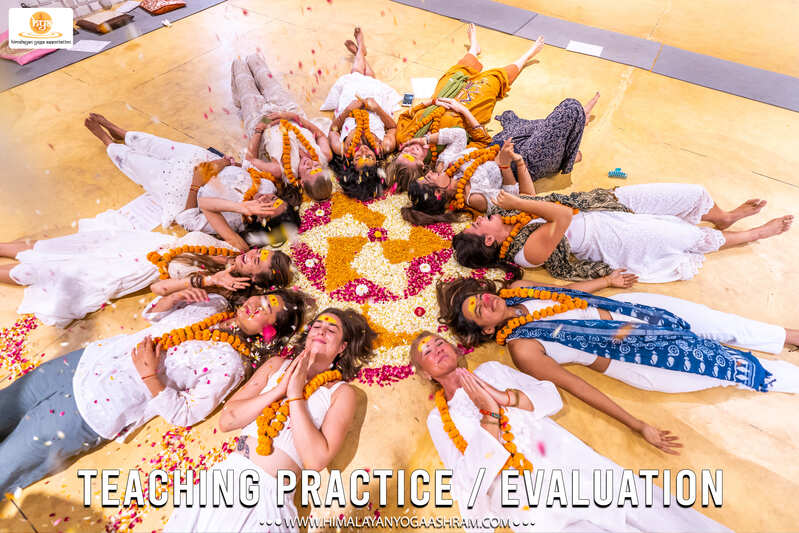
Teaching Practice & Methodology
- Demonstration
- Instructions
- Alignment
- Adjustment
Evaluation are based on
- Written Test
- Asana Practical Test
- Attendance
- Performance
- Behaviour
2nd Month is Followed by the 300 Hours Yoga Teacher Training Course Syllabus
Mastering Hatha / Vinyasa Flow

- Introduction of Hatha & Vinyasa flow
- Pawanmuktasana series A
- Surya namaskar (Hatha)
- Chandra namaskar (Hatha)
- Trikonasana
- Parsvokonasana
- Privarta Trikonasana
- Privarta Parsvokanasana
- Virbhadrasana A,B,C
- Ardha chandrasana
- Chaturangadandasana
- Mathchendrasana A,B,C
- Adra Ustrasana
- Salabhasana
- Setabandasana
- Gatyatmak Paschimottasana
- Pada prasar Paschimottasana
- Saithalyasana
- Sarvangasana
- Core exercises
- Surya namaskar A,B (ashtanga)
- Chandra namaskar (Hatha)
- Standing
- Veerbhadrasana A,B,C
- Trikonasana
- Parsvottanasana
- Parsvokonasana
- Privirta Trikonasana
- Privirta Parsvokonasana
- Ardha chandrasana
- Utthita hasta padangusthasana
- Natrajasana
- Garudasana
- Eka pada uttanasana
- Natavarasana
- Tandavasana
- Eka padasana
- Vatayanasana
- Pada angushtasana
- Baka dhyanasana
- Eka pada baka dhyanasana
- Eka hasta bhujasana
- Santolanasana
- Vashisthasana
- Poorna matsyendrasana
- Marichyasana C, D
- Eka pada rajakaputasana
- Raja kaputasana
- Poorna ustrasana
- Dhanurasana
- Poorna shalabhbasana
- Poorna chakrasana
- Parighasana
- Koormasana
- Upavistakonasana
- Ubhaya padangustasana
- Urdvamukha paschimottasana
- Hanumanasana
- Bhoonamansana
- Laguvajarasana
- Badhakonasana
- Vishwamitrasana
- Kashyapasana
- Inverted asanas
- Bhumi padamastakasana
- Vipreetakarani Asana
- Sarvangasana
- Padma Sarvangasana
- Halasana
- Ardha padma halasana
- Sirshasana
- Salamba sirshasana
- Niralambasana
- Urdhwa padmasana
- Leg stretching
- Teaching
- Doubts
- Questions / Answer

Ashtanga Vinyasa Yoga
- Opening Sequence
- Samasthiti
- Sūrya Namaskāra A
- Sūrya Namaskāra B
- Standing Sequence Asanas
- Pādaṅguṣṭhāsana
- Pādahastāsana
- Utthita Trikoṇāsana
- Parivṛtta Trikoṇāsana
- Utthita Pārśvakoṇāsana
- Parivṛtta Pārśvakoṇāsana
- Prasārita Pādottānāsana A
- Prasārita Pādottānāsana B
- Prasārita Pādottānāsana C
- Prasārita Pādottānāsana D
- Pārśvottānāsana
- Seated Sequence Asanas
- Paśāsana
- Krauñcāsana
- Śalabhāsana A
- Śalabhāsana B
- Bhekasana
- Dhanurāsana
- Pārśva Dhanurāsana
- Uṣṭrāsana
- Laghūvajrāsana
- Kapotāsana A
- Kapotāsana B
- Supta Vājrāsana
- Bakasana A
- Bakasana B
- Bharadvājāsana
- Ardha Matsyendrāsana
- Eka Pāda Śīrṣāsana A
- Eka Pāda Śīrṣāsana B
- Dvi Pāda Śīrṣāsana
- Yoganidrāsana
- Tittibhāsana A
- Tittibhāsana B
- Tittibhāsana C
- Pincha Mayūrāsana
- Karandavāsana
- Vāṭāyanāsana
- Parighāsana
- Gomukhāsana A
- Gomukhāsana B
- Supta Urdhva Pada Vajrāsana
- Mukta Hasta Śīrṣāsana A
- Mukta Hasta Śīrṣāsana B
- Mukta Hasta Śīrṣāsana C
- Baddha Hasta Śīrṣāsana A
- Baddha Hasta Śīrṣāsana B
- Baddha Hasta Śīrṣāsana C
- Baddha Hasta Śīrṣāsana D
- Urdhva Dhanurāsana
- Finishing Sequence Asanas
- Sālamba Sarvāṅgāsana
- Halasana
- Karnapīḍāsana
- Urdhva Padmāsana
- Piṇḍāsana
- Matsyāsana
- Uttāna Pādāsana
- Śīrṣāsana
- Baddha Padmāsana
- Yoga Mudrā
- Padmāsana
- Utplauthiḥ
- Śavāsana
Meditation
- What is Meditation & Benefits
- Aum Meditation
- Sukhasana (Easy Pose)
- Yoga Nidra Meditation
- Ardha Padmasana (Half Lotus Pose)
- Om Namaha Shivaya Mantra Meditation
- Padmasana (Lotus Pose)
- Breathing Awareness Meditation
- Hare Krishna Kirtan Meditation
- Self-Surrender Meditation
- Sarve Bhavantu Sukhinah Mantra Meditation
- Vipassana Meditation
- Sound Healing Bowls & Gong Meditation
- Jyoti Tratak Meditation
- Dynamic Moving Meditation (Osho)
- Om Mani Padme Hum Buddha Mantra Meditation
- Muladhara Chakra (Root Chakra) Mantra Meditation
- Swadhisthana Chakra (Sacral Chakra) Mantra Meditation
- Manipura Chakra (Solar Plexus Chakra) Mantra Meditation
- Anahata Chakra (Heart Chakra) Mantra Meditation
- Vishuddha Chakra (Throat Chakra) Mantra Meditation
- Ajna Chakra (Third Eye Chakra) Mantra Meditation
- Sahasrara Chakra (Crown Chakra) Mantra Meditation
- Yoga Nidra Meditation with Sound Healing Bowls
- Thought Observation (Mindfulness of Thoughts)
- Walking Meditation

Yoga Therapy / Ayurveda
- Yoga Therapy
- Definition / Meaning
- Fundamentals of Yoga Therapy
- Principles of Yoga Therapy
- Yoga Therapy for Musculoskeletal Issues
- Arthritis / Osteoporosis / Backpain
- Yoga Therapy for Digestive Issues
- Constipation / Irritable Bowel Syndrome (IBS)
- Yoga Therapy for Respiratory Issues
- Asthma / Sinusitis
- Yoga Therapy for Nervous System Issues
- Anxiety / Migraine / Depression
- Ayurveda
- Introduction - Definition / Meaning / Origin
- Basic Concepts of Ayurveda – Dosha, Dhatus, Mala, Agni, and Ama
- Prakriti - Body Constitution
- Ayurveda Dietary Rules
- Ashta Ahara Vidhi Vishesha Ayatana
- Diet According to Doshas
- Prakriti Questionnaire
Pranayama
- Jal Neti
- What is Pranayama?
- Pranayama Mantra
- Clavicular Pranayama
- Nadi Shodhana Pranayama / Anulom Vilom Pranayama
- 3 Best Postures For Pranayama
- Bhastrika Pranayama
- Thoracic Pranayama
- Kapalbhati Pranayama
- What is Mudra
- Gyan Mudra
- Yoni Mudra
- Bhramari Pranayama
- Om Namah Shivaya Mantra
- Bhairava Mudra
- Ashwini Mudra
- Ujjayi Pranayama
- Maha Mrityunjaya Mantra
- Vayu Mudra
- Pran Mudra
- Sheetali Pranayama
- Sheetkari Pranayama
- Prithvi Mudra
- Surya Bhedana Pranayama / Chandra Bhedi Pranayama
- Surya Mantra
- Chandra Mantra
- Mula Bandha
- Murcha Pranayama
- Uddiyana Bandha
- Udgeeth Pranayama
- Mangala Mantra
- Buddha Mantra
- Jalandhara Bandha
- Plavini Pranayama
- Shukra Mantra
- Shani Mantra
- Maha Bandha
- Simhasana Pranayama
- Kaki Mudra

Yoga Philosophy
- Meaning of Word Yoga & Goal
- Shad Darshan (Classification of Indian Philosophy, Aastika & Naastika Darshan)
- Sankhya Darshan (Concept of Prakriti & Purusha)
- Introduction of Patanjali Yoga Sutras / 4 Chapter of PYS
- Patanjali Yoga Sutras / Chapter 1
- Patanjali Yoga Sutras / Chapter 2
- Patanjali Yoga Sutras / Chapter 3

Anatomy / Physiology
- Brief Introduction of Skeleton System & Function
- Anatomy of Shoulder & Function with Important Name of Muscles
- Anatomy of Pelvic Griddle with Names of Muscles
- Spine Anatomy & Function / Importance in Yoga Practice
- Kundalini Shakti Introduction & Function
- Chakra Introduction & Function with the Endocrine System
- Nadis – the Energy Channel Function & Importance
- Prana Introduction & Importance in Organ Function
- Panchakosha Importance in Function of the Body
- Respiratory System Introduction / Function & Problems
- Circulatory System Importance / Function & Problems
- Digestive System Importance / Function & Problems
- Nervous System / Importance / Function & Problems

Teaching Practice
- Demonstration & Teaching methodology
- Alignment
- Instructions
Evaluation are based on
- Written Test
- Asana Practical Test
- Attendance
- Performance
- Behaviour
Daily Schedule - 500 Hour Yoga Teacher Training in Cambodia
1st Month (200 Hour Schedule)
| Time | Schedule |
|---|---|
| 5:30 am | Morning Bell |
| 6:00 – 7:00 am | Shatkarma & Pranayama |
| 7:00 – 8:30 am | Hatha Vinyasa Yoga |
| 08:30 am | Breakfast |
| 09:30 – 10:30 am | Alignment / Adjustment / Teaching Methodology |
| 10:30 – 11:30 am | Anatomy |
| 11:30 – 12:30 pm | Yoga Philosophy |
| 12:30 pm | Lunch |
| 13:30 -15:30 pm | Sound / Reiki Healing Class (only applicable for YTT + Sound / Reiki Healing Course participants) |
| 16:40 – 18:10 pm | Ashtanga Vinyasa Yoga |
| 18:10 pm | Tea Break |
| 18:30 – 19:30 pm | Meditation |
| 19:30 pm | Dinner |
| 21:30 pm | Lights Off |
2nd Month (300 Hour Schedule)
| Time | Schedule |
|---|---|
| 5:30 am | Morning Bell |
| 6:00 – 7:00 am | Shatkarma & Pranayama |
| 7:00 – 8:30 am | Hatha Vinyasa Yoga |
| 08:30 am | Breakfast |
| 09:30 – 10:30 am | Anatomy |
| 10:30 – 11:30 am | Yoga Philosophy |
| 11:30 – 12:30 pm | Yoga Therapy / Ayurveda |
| 12:30 pm | Lunch |
| 13:30 -15:30 pm | Sound / Reiki Healing Class (only applicable for YTT + Sound / Reiki Healing Course participants) |
| 15:40 – 16:40 pm | Alignments / Adjustments / Teaching Methodology |
| 16:40 – 18:10 pm | Ashtanga Vinyasa Yoga |
| 18:10 pm | Tea Break |
| 18:30 – 19:30 pm | Meditation |
| 19:30 pm | Dinner |
| 21:30 pm | Lights Off |
In order for you to rest properly before the opening ceremony on the 1st day of the course, the check-in to the school should be one-day before the course begins. Your check in time must be between 10:00 AM to 4:00 PM. We provide you a complementary stay for that night. Your check out on the last day of the course must be between 12:00 PM To 2:00 PM.

Yoga Teacher Training + Sound / Reiki Healing Course
Complete our sound healing courses during your YTT! We arrange our Sound / Reiki Healing Courses during your break time so you can complete it by utilising the time and with just a little extra costs. You will cover 2 hours a day and it lasts for 2 days (for level 1), 4 days (for level 1 & 2), and 7 days (for level 1 & 2 & 3).
Add +skills to your Yoga Teacher Training journey.


500 Hour Yoga Teacher Training in Cambodia, Dates
1 October To 28 November 2026
Closed
2 Sharing Room2475 USD3300 USD
Private Room2925 USD3900 USD
3 Sharing Room1950 USD2600 USD
4 Sharing Room1500 USD2000 USD
1 November To 28 December 2026
Available
2 Sharing Room2475 USD3300 USD
Private Room2925 USD3900 USD
3 Sharing Room1950 USD2600 USD
4 Sharing Room1500 USD2000 USD
1 December To 28 January 2027
Available
2 Sharing Room2475 USD3300 USD
Private Room2925 USD3900 USD
3 Sharing Room1950 USD2600 USD
4 Sharing Room1500 USD2000 USD
Yogic food for Yogic Lifestyle

Each time you work on a yoga pose or practice pranayama, you intensify your capacity to exercise control over your focus, breath and body. Likewise, as you delve deeper into the yogic philosophy, you will find yourself eating, sleeping and thinking like a yogi! And when it comes to eating, diet certainly plays a significant role.
It is a known fact, that food is an important element and life-giving energy to the human body. The quality and type of food impact our physical and mental well-being.
When nutrition is talked of from a yogic perspective, it includes much more than just the nutritional content of the food. As a full-fledged yogic practice demands the proper supplementation of the body with nutrients, the energetic aspect of nutrition is also to be taken into consideration while determining your choice of diet.
Meat or no meat?- The dilemma
Many yogis are faced with this question. As heard from many, practitioners feel that after long hours of practice, there comes a point when they do not really feel right or ready to consume non-vegetarian food anymore!
So what is the correct yogic diet (Sattvic Diet)?
Have you ever observed the impact that your food intake has been having upon your practice of yoga? It has been evident that some foods might wreck internal turmoil in the form of bloating or other such digestion disorders. On the other hand, there are some foods that are said to be more subtle and suitable to the body and mind.
The concept of Ayurveda, the sister science of yoga, enlightens us on the impact of different foods on our overall physical, spiritual and mental well-being. As per Ayurveda, “Sattva” denotes purity in quality of the self-control and spiritual well-being as apparent in the form of intelligence, virtue, awareness and happiness. Thus foods that are sattvic, promote purity in terms of both mind and body. They help nurture the mind – one that is clear, filled with compassion and keeps calm.
Following Sattvic diet The good news for yogis is that Sattvic foods are absolutely vegetarian! Thus no animals are harmed in the making of such foods as they do not contain any animal products. These foods should be naturally cultivated and should not include any harmful preservatives, additive substances or artificial flavors.
What does a Sattvic diet or Food consist of?
A sattvic diet generally includes:
- Fresh, organically grown fruits and vegetables
- Nuts and whole grains
- Dairy – based foods example ghee (clarified butter ) and milk
- Lentils
- Beans
- Oils that are plant-based
- Foods with mild sweetness containing natural and unrefined sugars
- Spices such as turmeric, ginger, coriander, basil and cinnamon
How is Sattvic diet beneficial? A sattvic diet aids in sharpening your intellect. According to the Bhagavad-Gita, the sattvic diet is said to be light and easy–to–digest. Being enriched with prana or purity, it fosters positive thoughts and satisfaction of the mind. Following such a diet can keep you alert, refreshed and peaceful.
What is included in Yoga Course Fee ?
- 58 nights accommodation (includes one-day before check in)
- 3 daily nutritious vegetarian / vegan meals and teas
- 2 full-body Cambodian massage
- Certificate of completion
- Weekend excursions (ex. temples, beaches)
- Weekday events (ex. vegan cooking class, kirtan night, special class
- Complementary Wi-Fi
- School T-shirt
- School bag
- Course manual
- Course materials (Notebook / Pen / Neti Pot / Rubber Neti / Eye Cups)
- Yoga Mats / Props (not to be taken away)
What is not included in Yoga Course Fee ?
- Any Airfare, Any Personal Expanses, Any Medical Expense, Any Transportation
- Extra Classes
Sample Certificate for 500 Hour Yoga Teacher Training in Cambodia


How to prepare yourself for the course
Do you dream of becoming a successful yoga teacher? Do you look forward to a quality yoga teacher training from a recognized yoga institution? Then a professional yoga teacher training in Cambodia is right for you! Not only does it equip you with the necessary skills and know-how to teach yoga, but also prepares you mentally, physically and spiritually to be able to embark upon a wonderful yogic journey and venture ahead. So if you are wondering how to add a great start to your plans, then here it is important to keep in mind that your preparations prior to joining a yoga school, count! Read on to find out more on how to prepare yourself for your upcoming 500 hour yoga teacher training course in Cambodia.
To set your stepping stone to success in the field of teaching yoga, here are some key factors to keep in mind:
Read some quality yoga literature
Investing in some books updates your know-how on the history of yoga, its philosophy and so on. This will acquaint you to the subject and the evolution of yoga over time.
Physical and mental preparation The daily regimen to be followed during a yoga teacher training in Cambodia program, could start as early as 5.30 to 6 a.m and end by 8 to 10 p.m. The entire day keeps you busy with arduous yoga sessions under the guidance of the yoga expert teachers with theory classes to add to it and other such activities. So joining a fitness routine, adopting healthy eating habits and reading blogs on yoga training experiences helps one to be mentally prepared prior to the commencement of the program.
Researching yoga schools in Cambodia
Though you will find plenty of yoga school in Cambodia they may however differ in terms of the style of yoga, the teachers, reviews and ratings, fees and so on. These are some of the crucial factors to check while doing your research and more importantly if the yoga school chosen by you is recognized by the Yoga Alliance or not. So make sure you enroll for a Yoga Alliance certified 500 hour yoga teacher training school in Cambodia that will make you eligible to teach anywhere in the world.
The RYT500 yoga teacher training certification happens to be the most popular certification course in yoga teaching demanded by aspiring yoga teachers and practitioners, intended to provide you a month long intensive foundation on the concepts of learning yoga and the art of teaching the same .
Practicing daily and on a serious note
Before joining our best 500 hour yoga teacher training in Cambodia, practicing frequently and seriously will allow you to achieve a better insight into your strengths and weaknesses. This will help you understand the areas that need more focus from your end and the kind of queries that you may have to ask your teachers during the course sessions.
So make the most of 500-hour your yoga teacher training program without having to lose on your precious sleep over it! Stay positive to be able to look forward to the course with much interest and enthusiasm.
High Demanded Yoga & Healing Courses in Cambodia
Explore Our Healing & Yoga Courses
-
 Level 1, 2 & 3 Sound Healing Course in Rishikesh
-
 Level 1 & 2 Sound Healing Course in Rishikesh
-
 Level 1, 2 & 3 Reiki Healing Course in Rishikesh
-
 Level 1 & 2 Reiki Healing Course in Rishikesh
-
 Ayurvedic Panchakarma Therapy Course in Rishikesh
-
 Ayurvedic Massage Course in Rishikesh
-
 Online 200 Hour Yoga Teacher Training
-
 Online 300 Hour Yoga Teacher Training
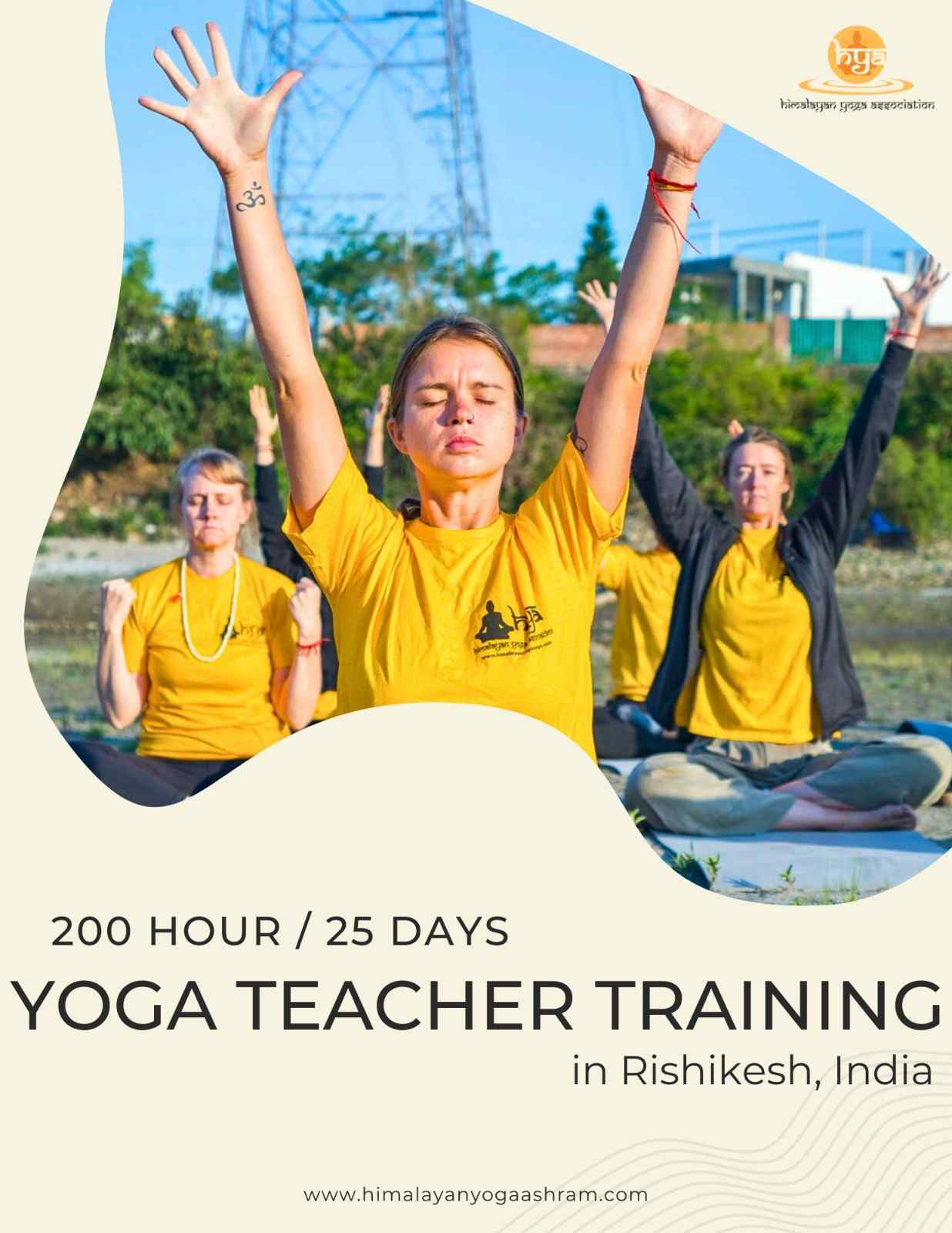
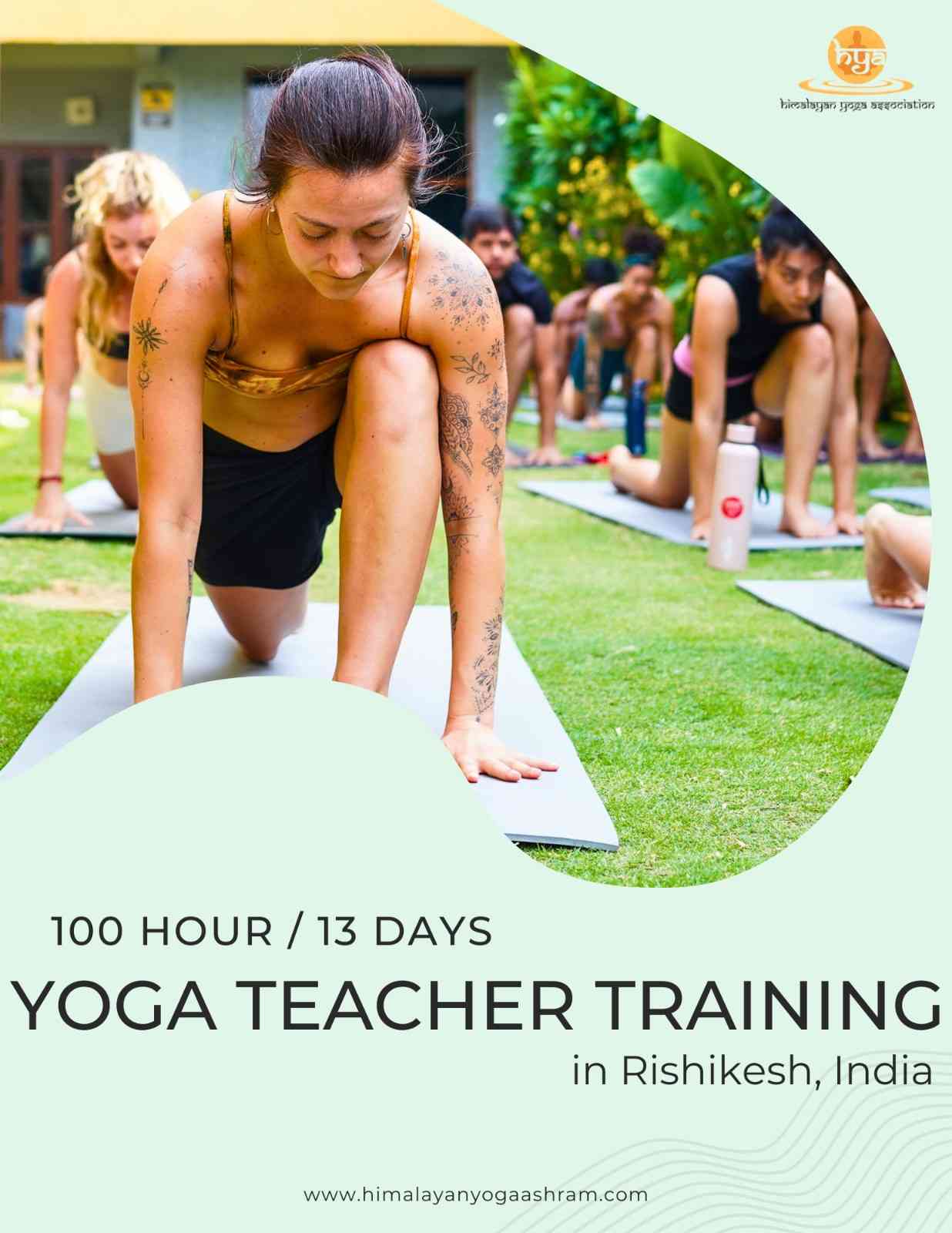
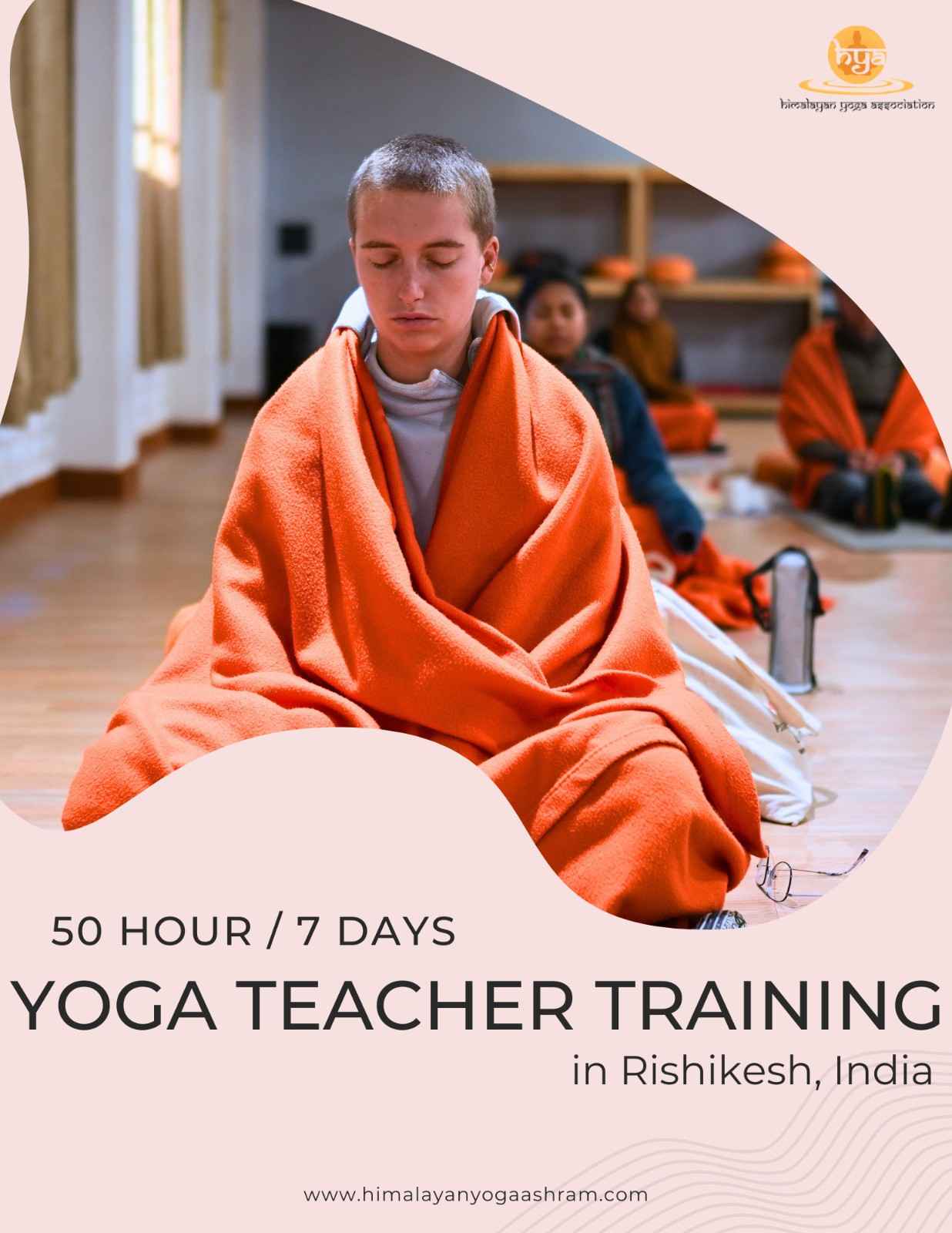
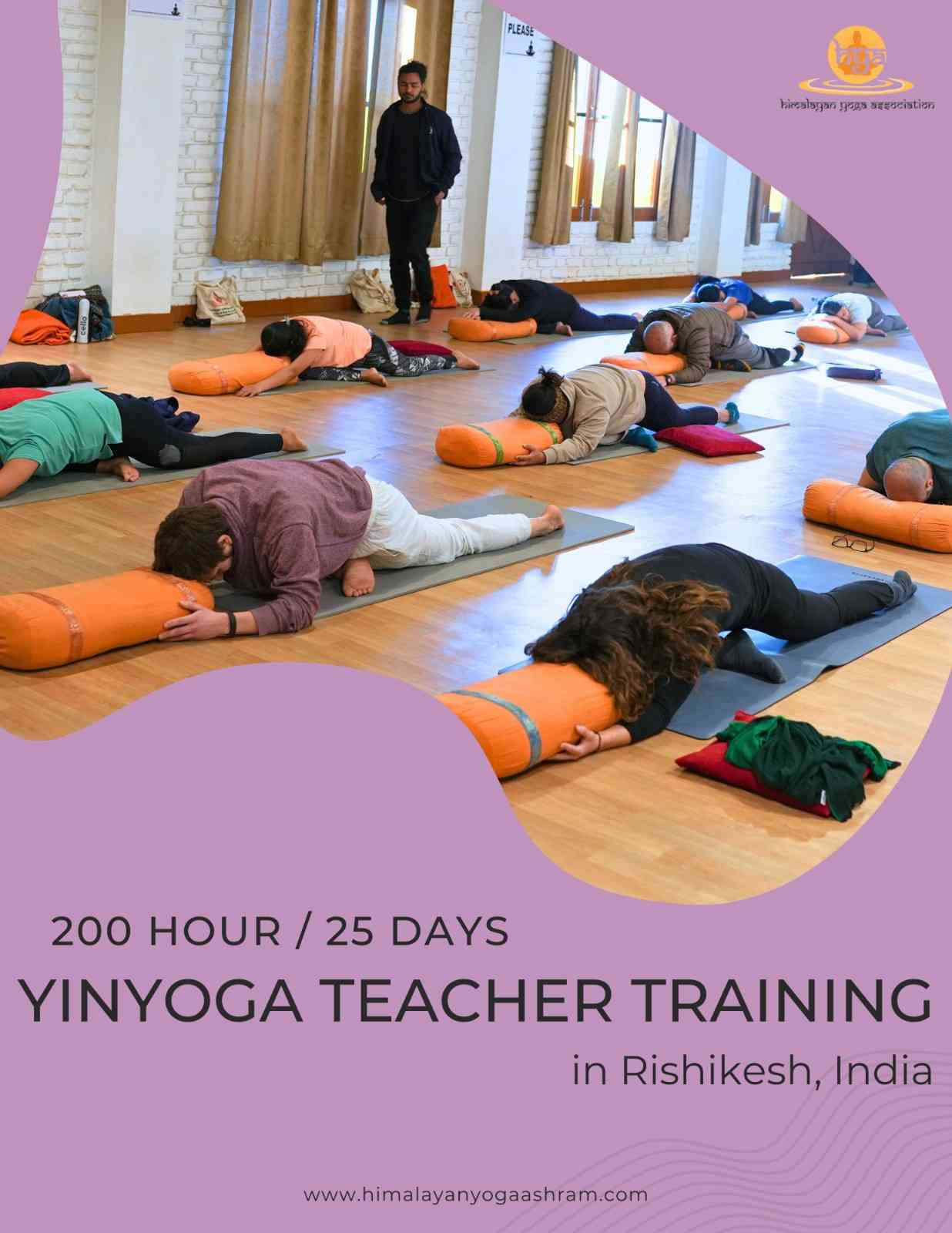
High-Demanded Yoga Teacher Trainings in Rishikesh, India
Read Terms & Conditions Before Joining YTT in Cambodia
To all the participants of 500 hour yoga teacher training in Cambodia – All classes are mandatory only in case of an emergency or illness one can take leave with respected teacher permission. Uninformed leaves won’t be accepted and this will leave bad impression on student monthly performance.
Prerequisites – A high degree of self-motivation is required for all aspects of the course. The practice and especially the teaching of yoga demand a high degree of self-discipline and purity. To ensure the success of the program, participants are required to attend all spiritual activities, meditation sessions, lectures and asana classes. Meat, fish, eggs, black tea, coffee, alcohol, tobacco, drugs and nudity are prohibited during the course as they are counterproductive to the yoga practice. Participants who do not comply with the school rules may be dismissed from the course.
Discipline Rules for Students – Smoking and alcohol are strictly prohibited in the school. If you are having a fast any day, you have to inform kitchen manager for avoiding food waste. Always make discipline, respect teachers and follow all rules. Always be in the time, you are late means will not be permitted to join class. Clear your books of account before departure from Himalayan Yoga Association. Before departure return your books, maps or any goods which you borrowed. Himalayan Yoga Association provides accommodation for a student who join the yoga course. So any friends or relatives will not be included in accommodation however they can stay in school by renting another room. Student have to be present in all scheduled program of Himalayan Yoga Association.
Once you made the booking amount deposit towards course fees kindly send us your payment receipt so that we can forward you an official booking confirmation letter. The remaining balance of the course fees will be charged on you arrival at School.
Refund Policy – Advance booking deposit is non refundable. We accept date rescheduling If you cancel the course after joining. We accept the cancellation but the course fees will not be refunded with the cancellation.
Personal Guidance in Rishikesh
Vedic Astrology Consultation – 1 Hour
Receive personal guidance through a 1-hour Vedic Astrology Consultation at Himalayan Yoga Association, Rishikesh, India. This session is designed to offer deeper insight into your life path, personality, challenges and future possibilities through the wisdom of Vedic astrology.
Consultation Fee
USD 25
- Program
- Vedic Astrology Consultation
- Duration
- 1 Hour
- Guide
- Acharya Atharva
- Location
- Himalayan Yoga Association, Rishikesh, India
Important Course Policy
Course Reschedule Terms & Conditions
Each student is eligible for one course reschedule only. Once the course has been rescheduled, no further changes to the course dates will be permitted.
Himalayan Yoga Association Campus
A Year-Round Sanctuary in the Heart of Nature
We are delighted to announce that, starting in May 2026, the entire Himalayan Yoga Association campus will be fully equipped for all weather conditions, with proper cooling and heating systems throughout.
The campus is located in one of the safest zones, free from flood risk and major natural climatic disturbances. Guests can also enjoy sunrise and sunset views along with a panoramic view of Rajaji National Park.
Himalayan Yoga Spa
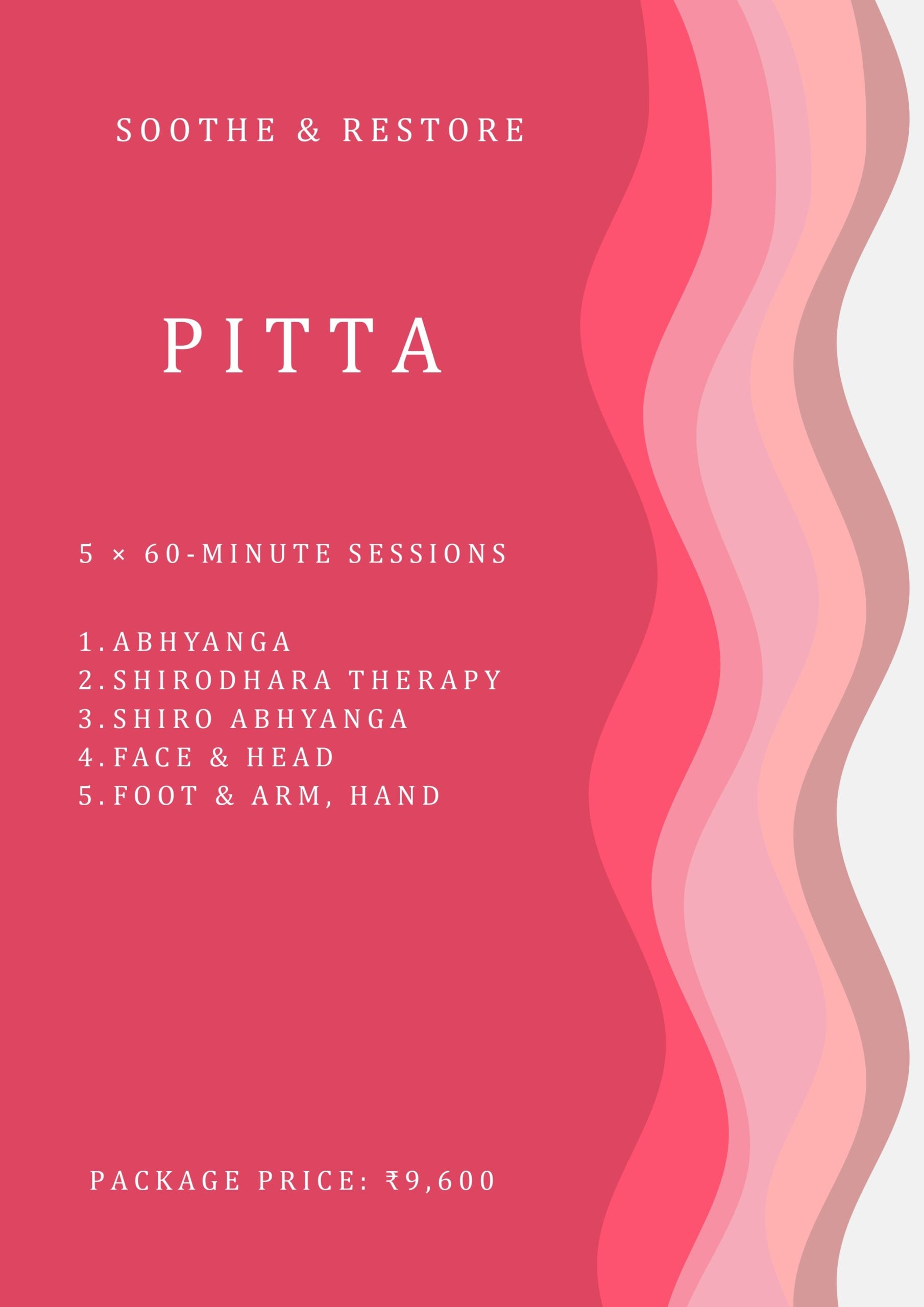
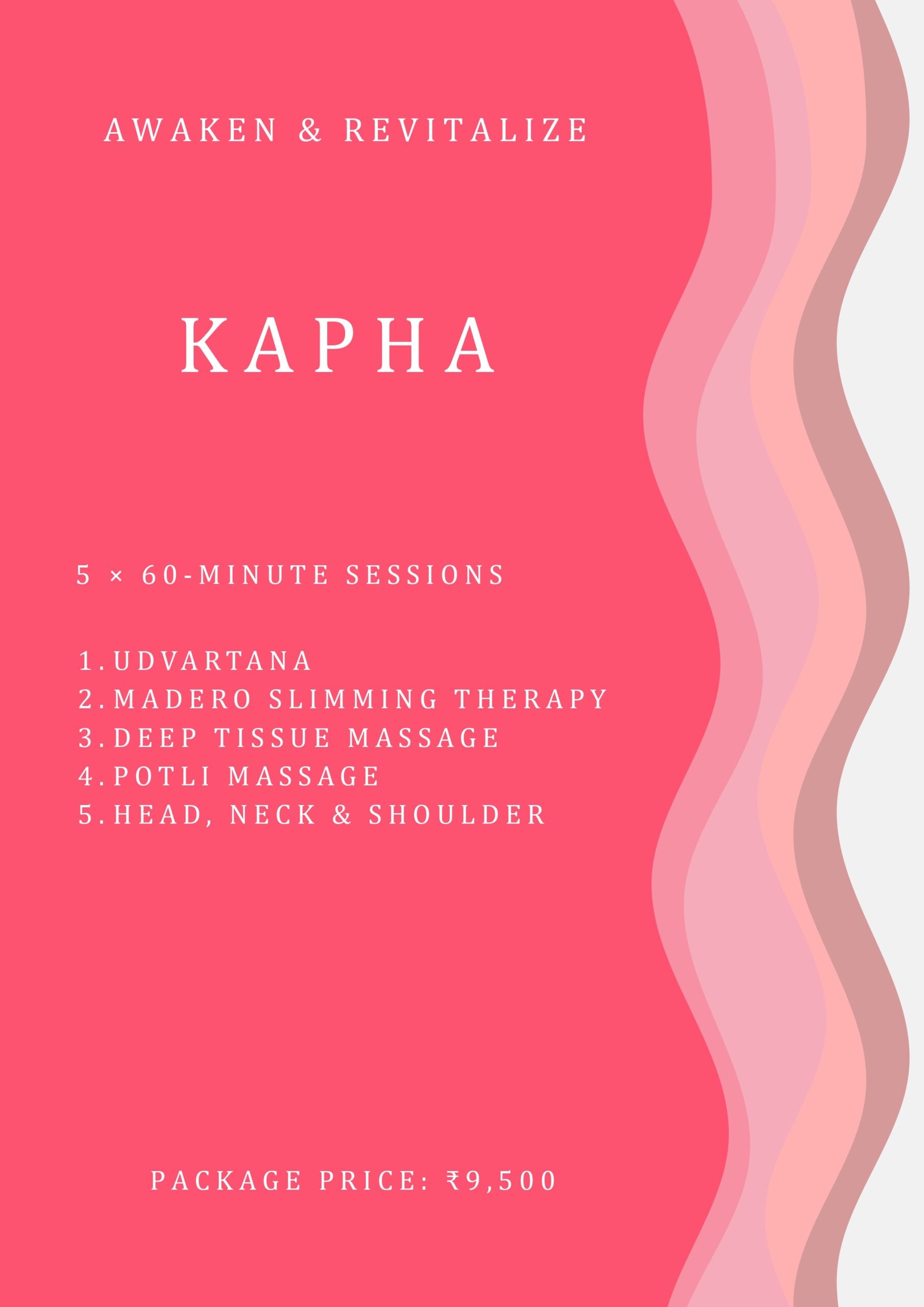
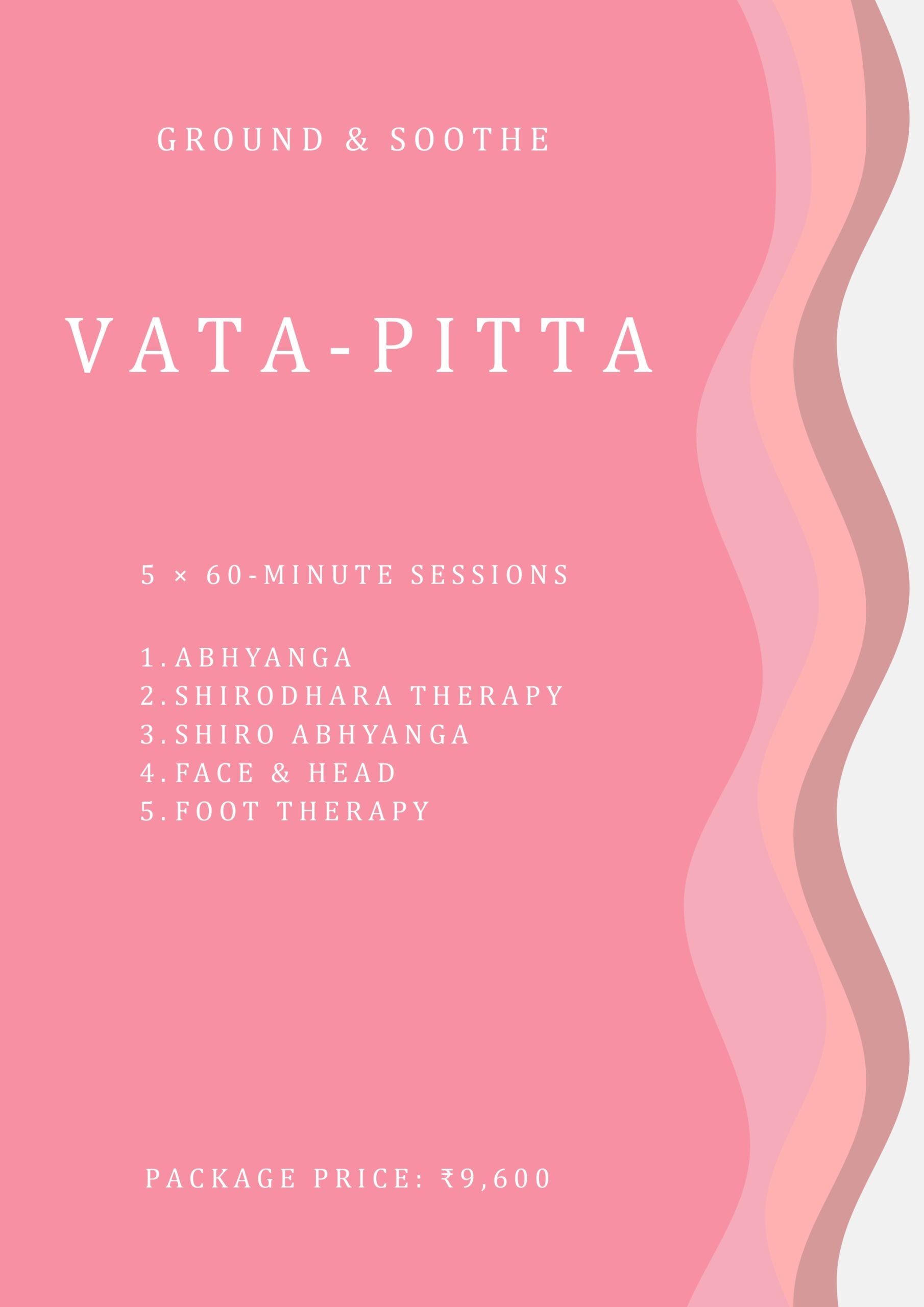
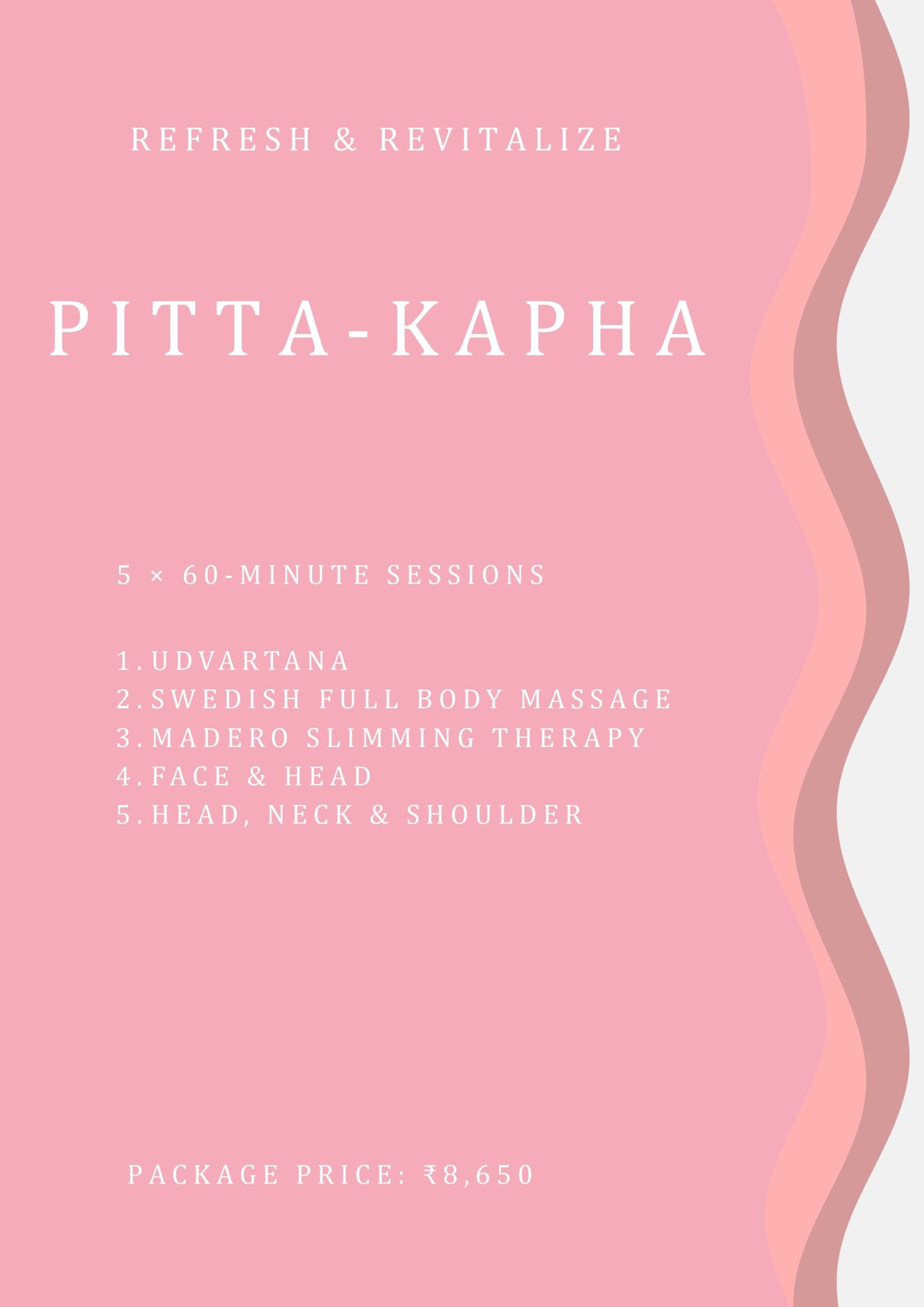
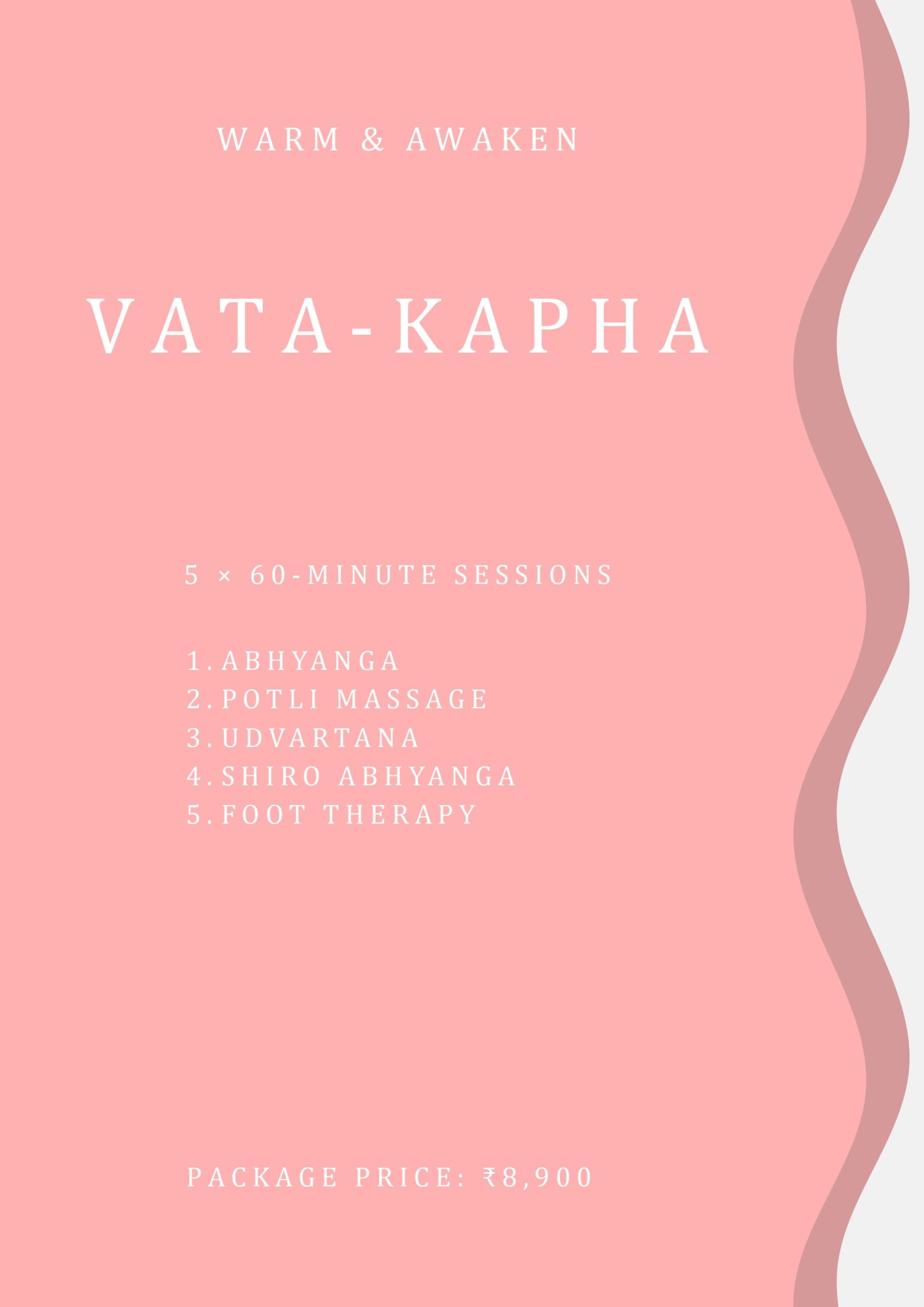
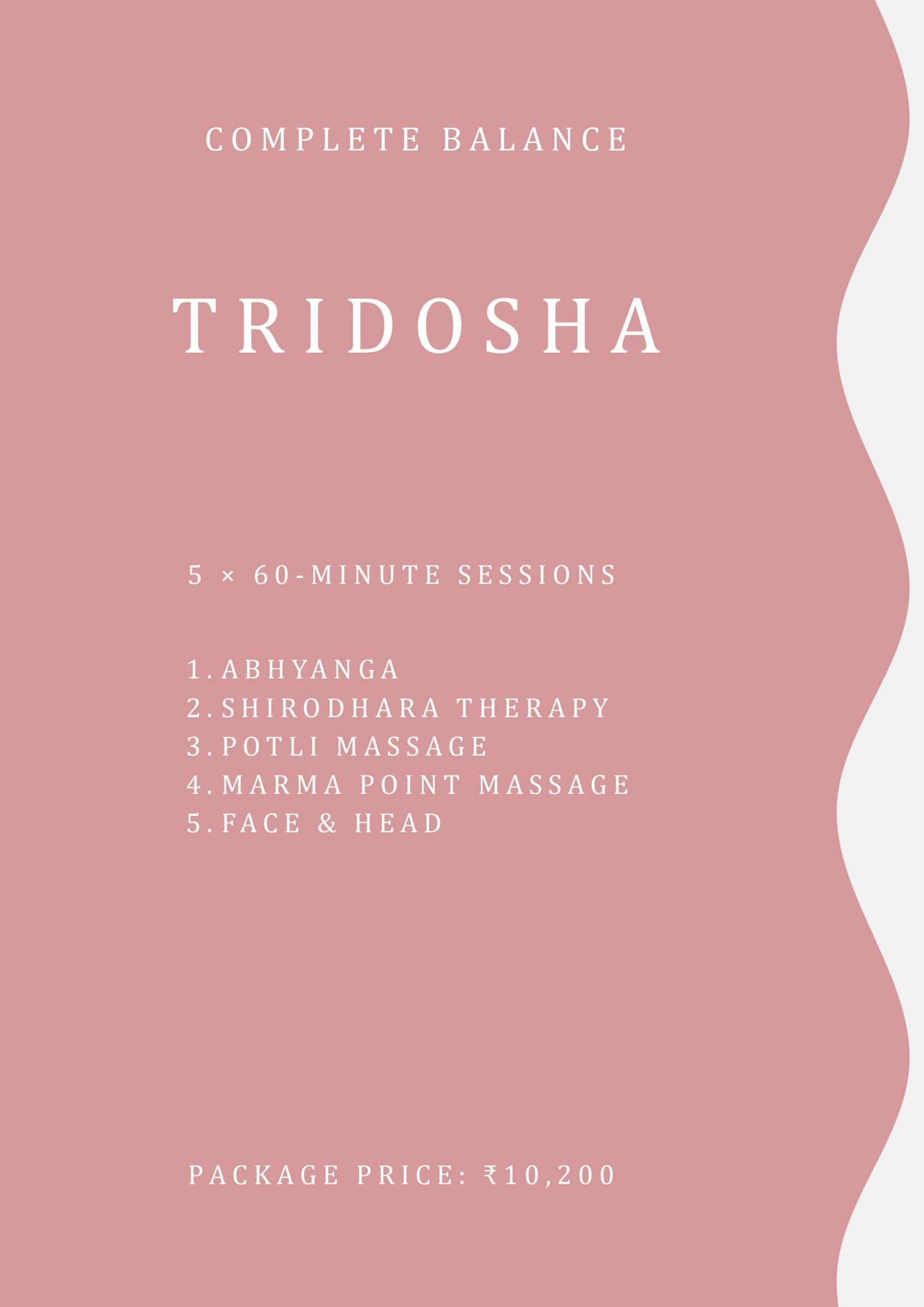
Dosha Wellness Packages
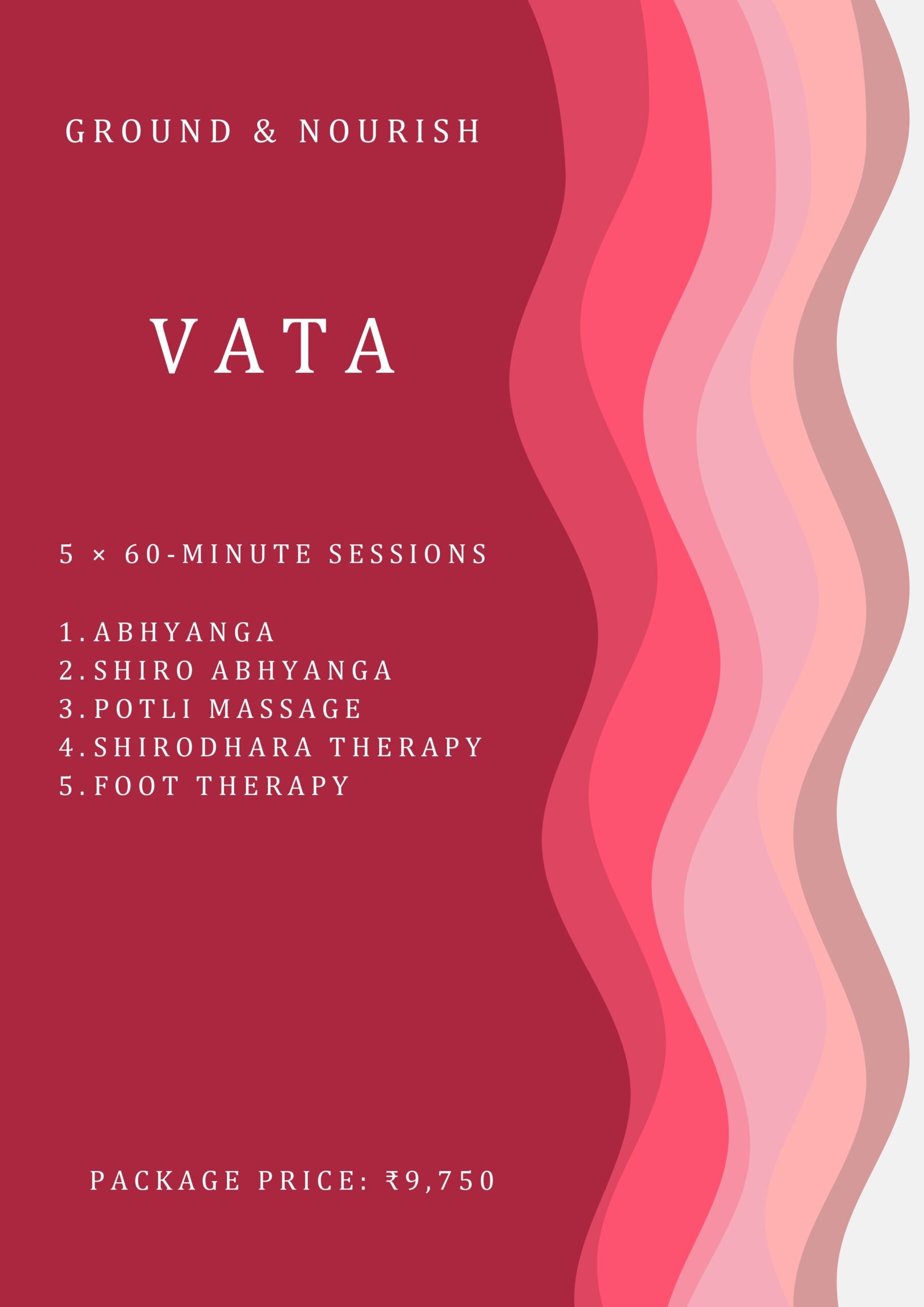
Explore our five-session Ayurvedic wellness packages designed around Vata, Pitta, Kapha and combined dosha approaches.
As an HYA customer, you’ll also enjoy an exclusive 10% discount. This is one of our most popular packages, and spaces tend to fill up quickly.
To secure your preferred date and avoid missing out, we recommend booking in advance. Your reservation is non-refundable, but it can be rescheduled if your plans change.

Student Guidelines
Code of Conduct
Please read these guidelines carefully. By attending a course at Himalayan Yoga Association, students agree to respect the school environment, teachers, fellow participants and campus rules.
Gambling of any kind or unlawful behavior is strictly prohibited.
Prohibited articles, inflammable articles, banned articles, drugs or commercial goods are not allowed on the school premises or in the accommodation provided.
Students must take good care of their own belongings. The management will not hold responsibility for losses or damages incurred.
In case of violation of school regulations or serious misconduct, management reserves the right to terminate studentship with immediate effect.
Eggs are not included in the yogic diet and are not permitted for use or consumption on the school premises.
Once a fee is paid, it is non-refundable. In an emergency, a student may request one course reschedule according to the school's rescheduling policy.
Unwanted sexual contact, harassment, assault or inappropriate physical behaviour toward another participant is strictly prohibited. Individuals remain accountable for their actions.
Read Full Code of Conduct
- I am aware of and agree to the Code of Conduct. I will follow it with honesty and take full accountability for my actions.
- If you have any food allergies or any type of injury, please make sure to inform us in advance.
- Carry a personal medical kit including any prescription medicines, as brands and availability may differ.
- Purchase travel medical insurance that covers emergencies and evacuation.
- For hygiene purposes, we recommend that students bring their own towel.
- Bedsheets and yoga mats are provided on the premises. Students may bring their own if preferred.
- Course manuals are provided digitally in PDF format instead of printed hard copies to help reduce unnecessary paper usage.
- Weapons and illegal drugs are strictly prohibited on school premises. Legal action may be taken where required.
- Class attendance is mandatory except for reasons such as illness. Students who need to miss a class must inform management beforehand.
- Food and drinks are strictly prohibited in yoga halls. Water bottles are permitted.
- No student will be allowed to enter the hall after the class has started.
- Students are not permitted to attend another course's classes without authorization.
- Participation in scheduled indoor and outdoor activities is expected as part of the training.
- Please be mindful of the yoga halls and remove personal belongings after each class.
- Keep the school premises clean. Articles should not be pinned to walls.
- The campus entry gate is open from 5:00 AM to 10:00 PM.
- Room electricity should be switched off when students leave their rooms.
- Students are responsible for damages caused to furniture, decorations, fittings, walls or room facilities.
- Students are served three meals a day: breakfast, lunch and dinner.
- School room items and other property must not be removed as souvenirs.
- Courses are conducted according to the syllabus published on the school website.
- Students may eat outside; however, please inform the kitchen team at least six hours before a meal when possible so food is not unnecessarily wasted.
- Dining-area cutlery, dishes and glasses should remain within the dining area.
- If you have concerns with your physical or mental well-being during the course, please speak with an instructor or administrative team member.
- Mats and props must be returned to their original locations after class.
- Students are responsible for preparing and maintaining their own class notes.
- Management reserves the right to update school regulations where necessary. Questions may be directed to reception.
- The school is not responsible for independent activities arranged outside the school's services, including scooter rental or independently arranged travel.
- Photos or videos may be taken during classes and excursions for school communications and promotional use.
- Washing machines are available on campus for customer use.
- Himalayan Yoga Cafe, Himalayan Yoga Spa and the Yoga Store are available on campus.
- Himalayan Yoga Association is located in Rishikesh with hospitals, cafes, ashrams and temples accessible in the surrounding area.
- Himalayan Yoga Association is approximately 250 metres from the Ganges River and surrounded by the natural landscape of Rishikesh.
Explore Rishikesh
15 Places & Activities Near Himalayan Yoga Association
Discover spiritual landmarks, natural attractions and adventure activities that students can explore during their time in Rishikesh.
- Triveni Ghat Experience the evening Ganga Aarti.
- Kunjapuri Devi Temple Known for beautiful Himalayan sunrise views.
- Rajaji National Park Wildlife, forest scenery and jungle safaris.
- Beatles Ashram Historic ashram, murals and meditation spaces.
- Neelkanth Mahadev Temple Sacred Shiva temple surrounded by forested hills.
- Neer Garh Waterfall A popular nature walk and waterfall destination.
- Parmarth Niketan Ashram A spiritual ashram known for yoga and Ganga Aarti.
- Laxman Jhula Area One of Rishikesh's best-known riverside areas.
- Ram Jhula Popular for riverside walks and surrounding ashrams.
- Bairaj Bridge & Dam Area Ganga views, open surroundings and peaceful walks.
- Vashishtha Cave A traditional meditation site outside central Rishikesh.
- Rishikund A sacred pond near the Triveni Ghat area.
- River Rafting One of Rishikesh's best-known adventure activities.
- Flying Fox Aerial adventure experience with river and hill views.
- Sky Cycling An elevated adventure activity in the Rishikesh region.

Legal & Brand Protection Notice
Trademark & IP Policy
Himalayan Yoga Association® Intellectual Property
Unauthorized copying, reproduction, impersonation, misleading use of the Himalayan Yoga Association name, photographs, videos, course materials, logos, trademarks, domains, certificates or other protected content is prohibited except where permitted by law or authorized in writing.