Hatha vs Ashtanga vs Vinyasa: Which Style Should You Learn in a 200-Hour Yoga Teacher Training?
Know the Difference: Type of Yoga v/s Style of Asana
Yoga is a collective term. It points towards philosophy larger than practice. In modern times the term yoga is confused for one of its sub practices called asana or postures. Just like referring to a single person as a group.
Asana is the practice component of the philosophy of Yoga that is focused heavily on physical postures and experiences at the body level. Classical Yogic paths include Bhakti Yoga, Jnana Yoga, Karma Yoga, Tantra Yoga , Hatha Yoga, Raja Yoga and so on. Not all paths of Yoga include postures and Hatha Yoga alone holds various postures that have given birth to modern day ‘Style of Asanas’ such as Ashtanga, Vinyasa, Power Yoga Asana, Iyengar Yoga Asana.
The style of asanas were developed by different teachers who experimented with the postures mentioned in Hatha Yogic Texts. Asana appears in classical yoga literature including Patanjali’s Yoga Sutras, where it forms one of the eight limbs of yoga. Later Hatha Yoga texts expanded considerably on physical practices, including postures, pranayama, mudras and related disciplines.
Which Style Should You Learn in a 200-Hour Yoga Teacher Training?
There is no single yoga style that is best for every future teacher. Hatha is useful for developing alignment, awareness and foundational teaching skills. Ashtanga Vinyasa introduces discipline, repetition and structured sequencing, while Vinyasa Flow develops breath-led movement and creative sequencing. For students who plan to teach different types of practitioners, a multi-style 200-hour yoga teacher training can provide broader practical exposure before they later choose an area to specialise in.


The Nine limbs of Hatha Yoga include:
Asana(Postures), Pranayama( Breath Expansion), Shatkarma (Purification), Mudra (Palm gestures), Bandhas (locks), Kriya (Rituals), Dhyana (Meditation), Siddhi (Yogic Perfection), Samadhi (Absorption).
All styles of asanas in modern times are based on Hatha Yoga Asanas.
Hatha v/s Ashtanga v/s Vinyasa — How to remember the Difference?
Understand all three plus one more as styles of postures developed by different teachers between 12th century to 19th century A.D.
We can easily understand them through a comparative chart as below:
| Style | Typical Pace | Main Learning Focus | Sequencing | Useful For | |
|---|---|---|---|---|---|
| Hatha | Slow to moderate | Alignment, awareness, foundations | Flexible | Beginners and foundational teaching | |
| Ashtanga Vinyasa | Dynamic | Discipline, consistency, breath and movement | Predetermined sequences | Students who enjoy structure and repetition | |
| Vinyasa Flow | Moderate to dynamic | Breath-led movement and sequencing | Creative/flexible | Learning class construction and transitions | |
| Iyengar | Generally deliberate | Precision, alignment and use of props | Methodical | Detailed study of alignment and adaptation |
A brief overview of the practices:
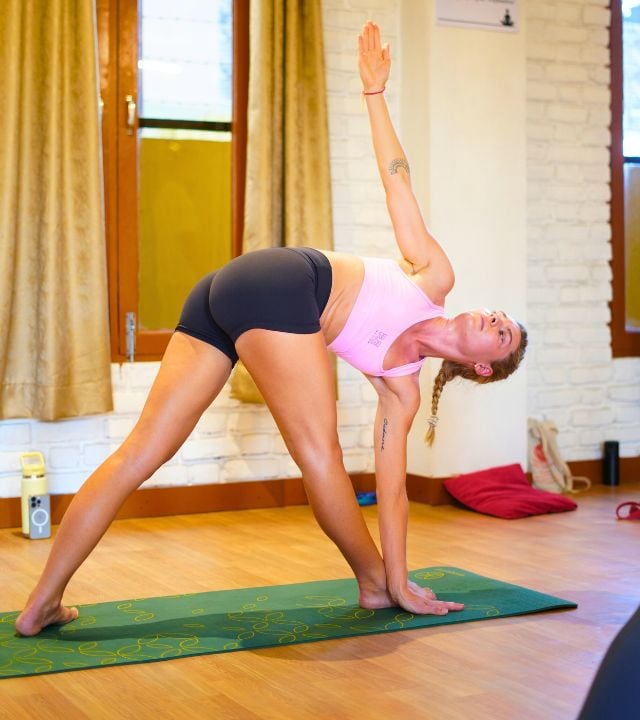
Hatha Yoga : Meets you where you are and encourages you to step up. Hatha Yoga develops alignment, stability, body awareness and foundational understanding of Asana Practices. It opens up the body and increases the range of motion for the joints. Balances the left and the right side of the body taking the spine as the axis. .
Modern Ashtanga Vinyasa Yoga : is closely associated with K. Pattabhi Jois, who studied under T. Krishnamacharya. Its method follows established sequences in which postures are linked through breath and movement. A set series of postures across six series and are to be perfected one by one. This practice develops discipline, consistency, strength, structured physical routine and repetition. Ashtanga Vinyasa is highly effective at the body level and you will enjoy it if you like intense practices.
Vinyasa Flow : is flexible and does not demand a strict routine as ashtanga. It develops creativity, flexibility and anatomy based sequences. It lays emphasis on breath coordination and extends intelligent class sequencing.
Iyengar Yoga : is developed by B.K.S. Iyengar, places particular emphasis on alignment, precision and the intelligent use of props to make postures more accessible and adaptable.
Does Learning More- Than- One Yoga Style Make You a Better Teacher?
Welcome to the Multi-style method of Yoga Asana Learning. A teacher may have personal preferences for practicing asanas but for teaching yoga it is important that you are exposed to all different types of asana styles and are able to blend them in your day to day teaching offering more options to your students.
Multistyle Yoga Asana learning helps have an edge professionally.
In a TTC course Vinyasa Sequencing Is Actually Learned in depth by considering factors such as Go deeper and explain how teachers actually learn sequencing. A teacher can decide the classroom experience by intelligent sequencing elevating the energy levels step by step with each session.
Factors deciding the sequence include
- Group dynamics
- Beginners
- Intermediate students
- Different body types
- Different levels of flexibility
- Different class objectives
- Different energy levels
Time distribution for each element of the class
The time duration of the class is advised to be at least 90 minutes creating a skeleton flow of starting with Warm-up to Standing Practice to Peak Pose to Counterposes to Cool Down to Savasana as ending practice.
Here is breakdown to Estimated Sequencing:
Class-opening with Flow Introduction | (10 Mins) |
Warm-up sequences | (10 Mins) |
Standing sequences | (10 Mins) |
Demonstration | (10 Mins) |
Peak-pose sequencing | (15 Mins) |
Counterposes | (15 Mins) |
Cooldown | (10 Mins) |
Shavasana | (10 Mins) |
Finding your way through Alignment, Cueing, Adjustments & Teaching Practice to become a Yoga Teacher.
The journey to becoming a yoga teacher from a yoga asana practitioner is a conscious choice and a choice worth making. To be able to hold space for others and support them while on your yoga journey is a responsibility and needs discipline. As a teacher, you are expected to have a wholesome understanding of the practice where your effort plus knowledge must transform into experience for the other.
A teacher is expected to be aware of various dimensions of the yoga practice such as their own demonstration, Student alignment, Safety, Verbal instructions, Modifications, Breathing cues, Class timing, Observation, Corrections and Sequencing. A cyclic practice needs to be created by the teacher, for eg:
Practising → Demonstrating → Cueing → Observing → Correcting → Modifying → Sequencing → Teaching!
A good teacher, instead of saying “Go into Warrior II”, adopts a better teaching approach and guides students through:
- Foot positioning
- Knee alignment
- Pelvic position
- Spine
- Arms
- Shoulder relaxation
- Drishti
- Breath
- Modification options
What a Multi-Style Yoga Teacher Training Day in Rishikesh Actually Looks Like!
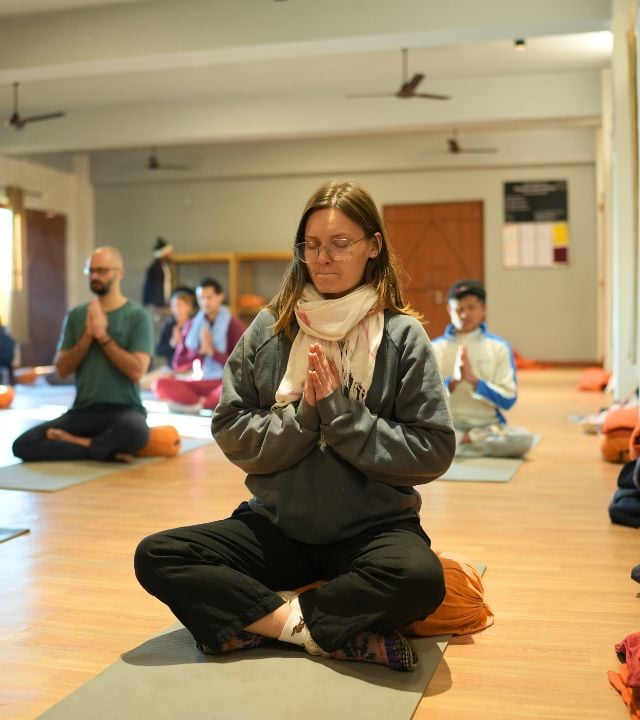
At Himalayan Yoga Association, your training experience is skillfully crafted to make a teacher not by certification only but also by feeling like a teacher. The course schedule keeps its students immersed in learning different different modalities within yoga and delivering them as an instruction at the same time.
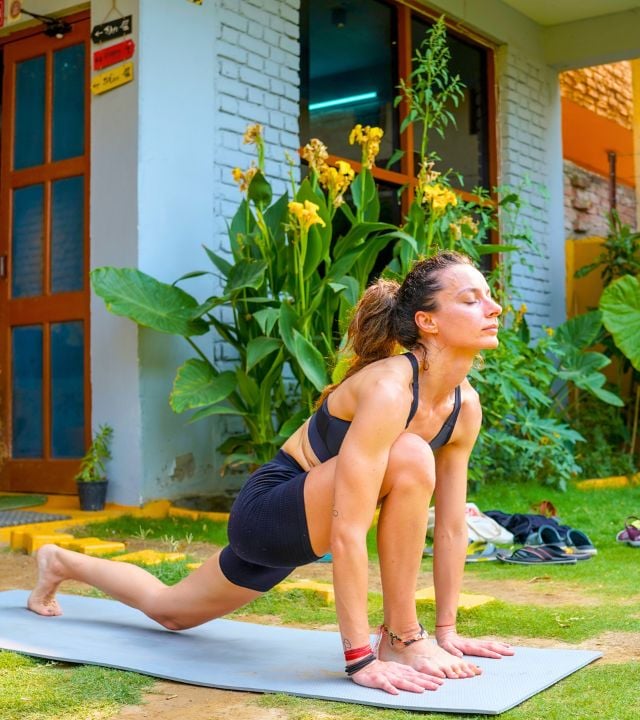
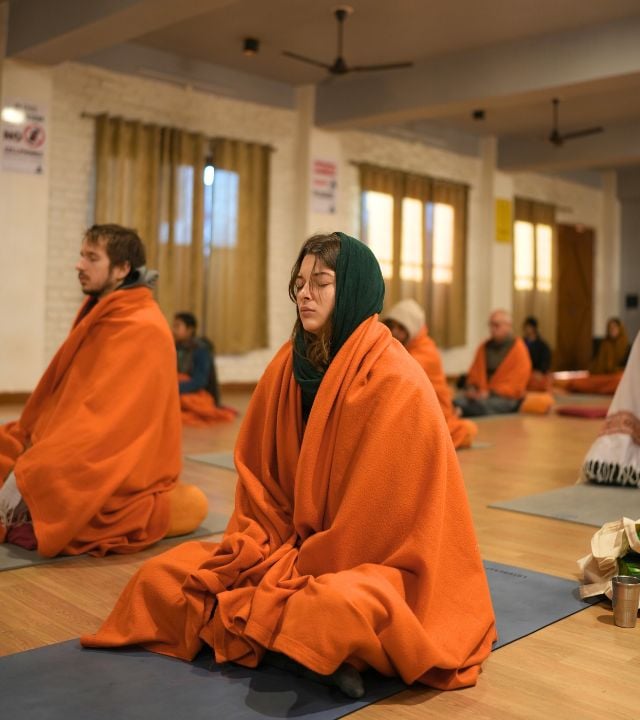
The day begins with a peaceful Morning where you start with meditation and pranayama to develop concentration and breath awareness.
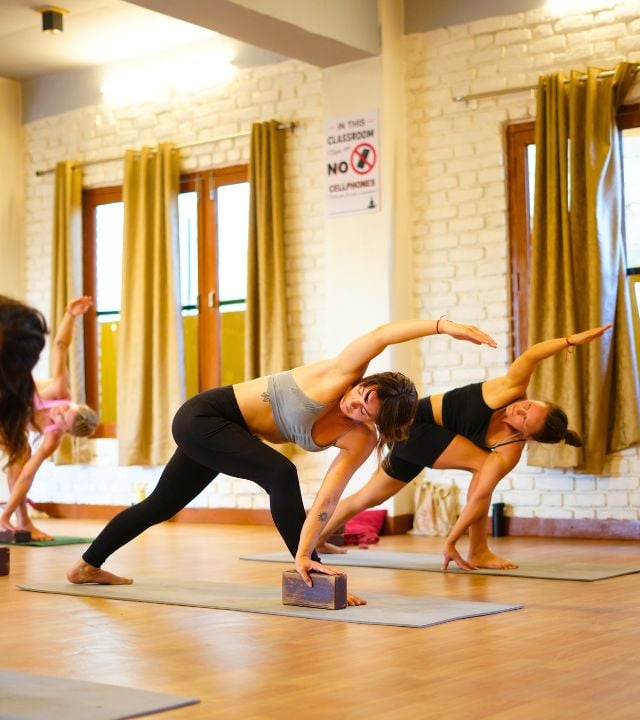
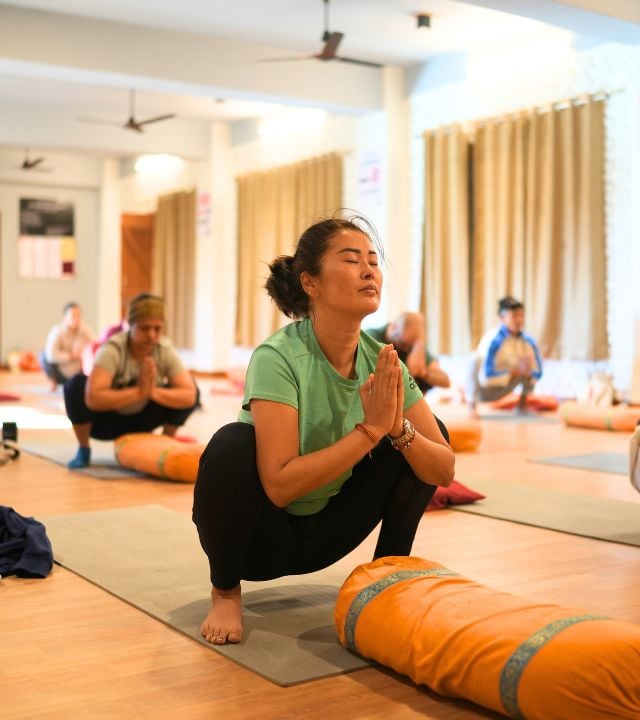
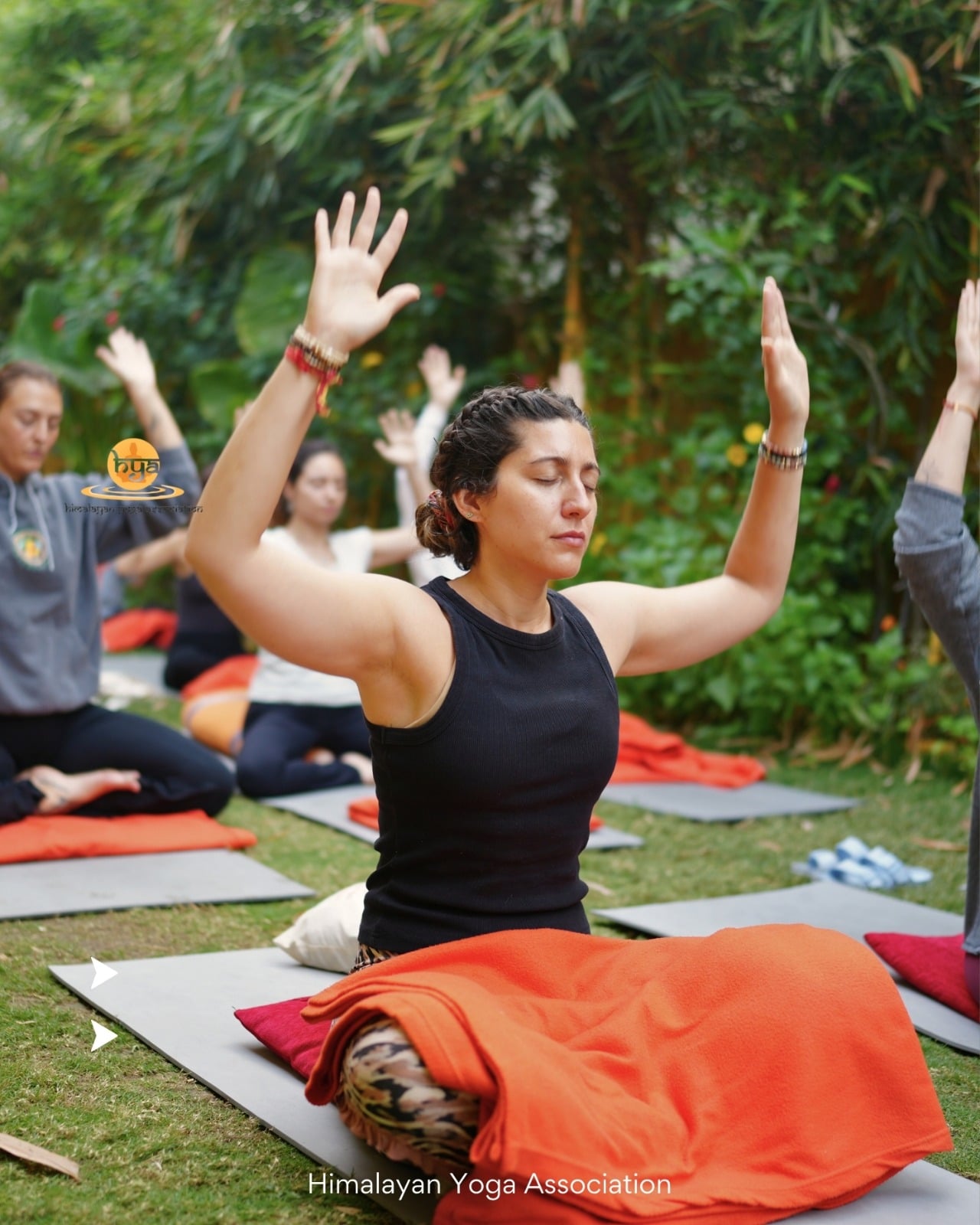
The second leg of the morning pre-breakfast sees asana practice in either vinyasa or hatha style where you experience how every asana feels on the body, and especially for anatomical differences. Late morning is free after breakfast and academic sessions start post lunch.
Yoga philosophy and Anatomy help students understand the theoretical and anatomical foundations behind the practice.The classes allow deeper contemplation, reflection and question answers with the teacher. The theory sessions are fun-filled and you do a lot of peer to peer learning.
Late afternoon calls for Ashtanga Asana Practice where you learn,
- Discipline
- Repetition
- Strength
- Stamina
- Structured sequencing
The day ends with Teaching Methodology where students then learn how to convert personal practice into actual teaching skills. You practice teaching with a partner and share real time instructing challenges in the classroom and the teacher helps you with the appropriate approach. The day ends with its third meal, a sattvic dinner.
At Himalayan Yoga Association, we care more about how you share the practice and therefore have the best teachers you can observe and learn from.
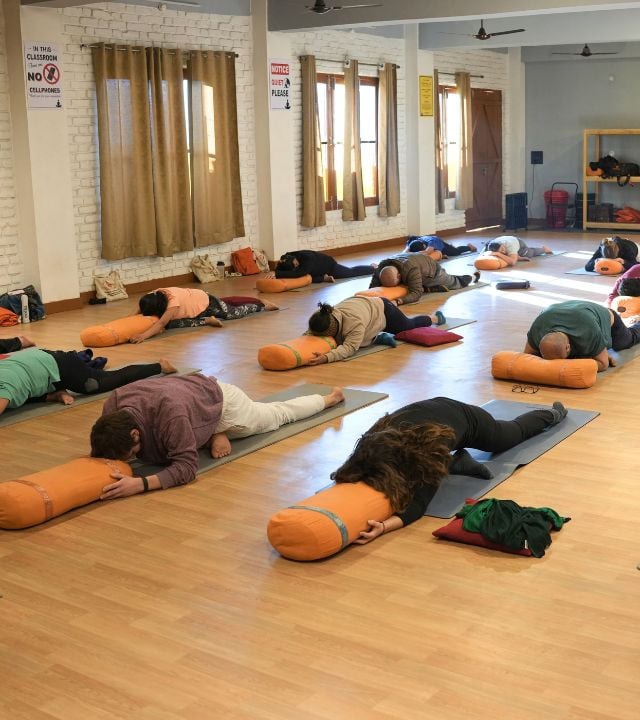
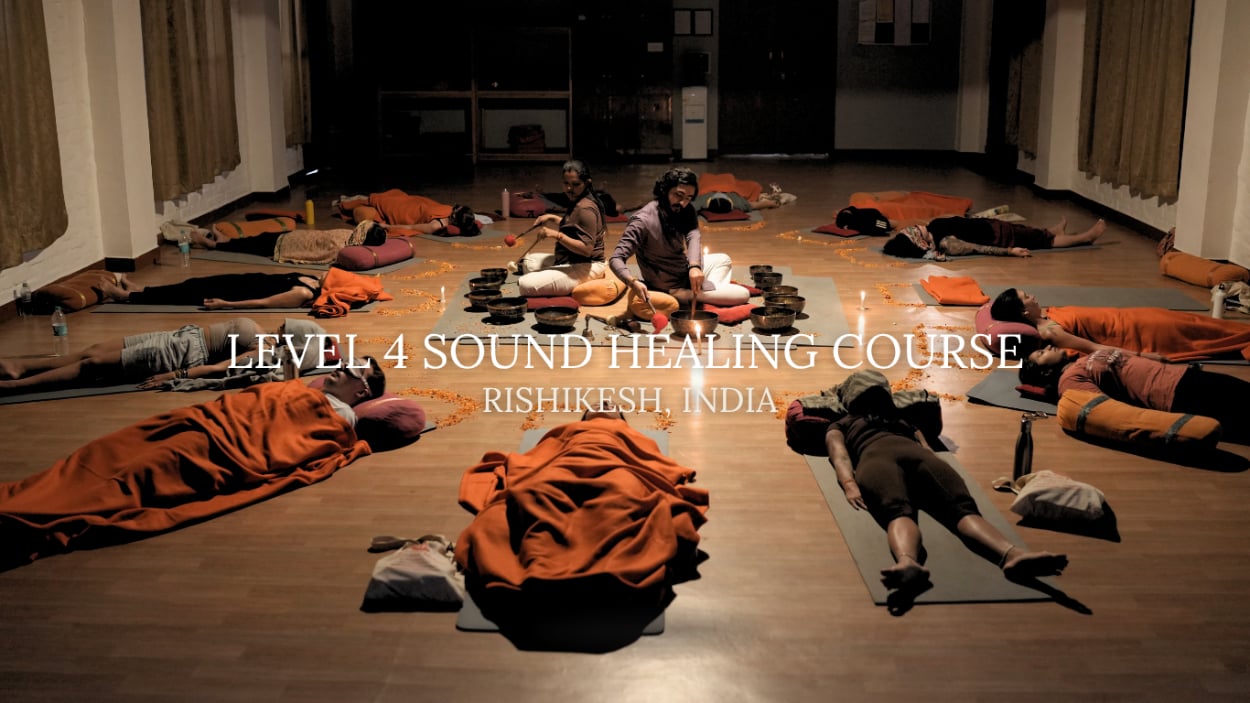
The schedule is also designed to help you unwind and relax between classes with complementary sessions of Bollywood Dance, Mehendi Herbal Tattoo Art, Ayurveda Therapy, Spa Session, and combined classes to help you interact with other course groups.
We welcome you to join our Yoga Teacher Training Courses in Rishikesh and become a part of our Yoga Teaching Community. Namaste! View the complete 200 Hour Yoga Teacher Training curriculum, dates, accommodation and course details