Signing up for a sound healing course is exciting, but it also comes with a lot of questions. What does a typical day actually look like? Will beginners feel out of place? What instruments will you actually learn to use?
If you’re considering sound healing training in Rishikesh, it helps to know what the experience actually involves before you arrive. From orientation and instrument practice to theory classes, supervised training, accommodation and certification, each stage of the course has a different purpose.
This guide explains what students can realistically expect during a residential sound healing course in Rishikesh and which details you should confirm with the school before booking.
At every step of your journey from the first day to the day you receive your certificate, there is a purpose. Knowing what is to come enables you to come prepared both mentally and practically so that you can be more on the learning side of things and not be concerned with what is going to happen.


What Can You Expect From Sound Healing Training in Rishikesh?
- structured theory and practical classes;
- hands-on practice with sound-healing instruments;
- learning appropriate instrument handling and session structure;
- meditation and related yogic practices, depending on the program;
- supervised practice and teacher feedback;
- accommodation and meals on residential courses;
- progressive training through different certification levels;
- a completion certificate when the stated course requirements are met.
Why Rishikesh Suits Sound Healing Training
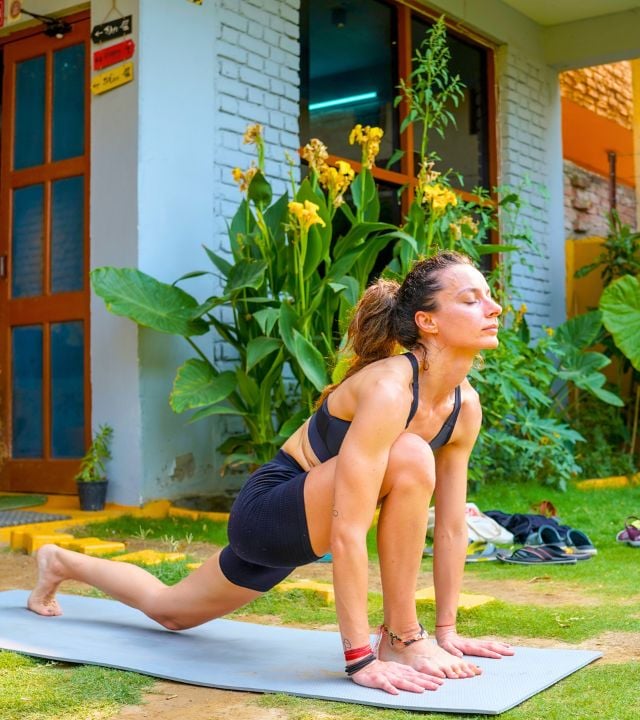
It is no surprise that Rishikesh is recognized as the Yoga Capital of the World, as it is also gaining immense popularity for sound healing training. The town is located on the foothills of the Himalayas, by the side of the Ganges River and is naturally peaceful making it an ideal place for such learning.
Rishikesh combines an established yoga-learning culture with access to the Himalayan foothills and the Ganga. Training environments vary by location, so students who value quieter surroundings should compare the actual campus setting rather than assuming every school in Rishikesh provides the same atmosphere.
This is one of the many reasons why Rishikesh Sound Healing Course is beneficial. Students are not only learning techniques, but also the energy of a place, where it has been used to do spiritual practice for generations.
Arrival and Orientation Process
Students usually come a day or two early to the course. This allows time for acclimatization to the new environment, recovery from the trip and familiarization with the campus. For international students this first step is made much easier by the Himalayan Yoga Association arranging for an airport pick up.
On the first day students experience a light introduction to the program. The teacher presents the syllabus, explains the schedule and addresses any questions that might arise at the start of the day. It is also when students are given their instrument kits and course materials, for everyone to start from the same point.
There is also a campus tour as part of the orientation. Students visit yoga halls, dining area, accommodation, and training spaces prior to training. This is a small step to alleviate the nerves of the first day, particularly for students who have no prior experience with residential training.
Learning the Sound Healing Instruments
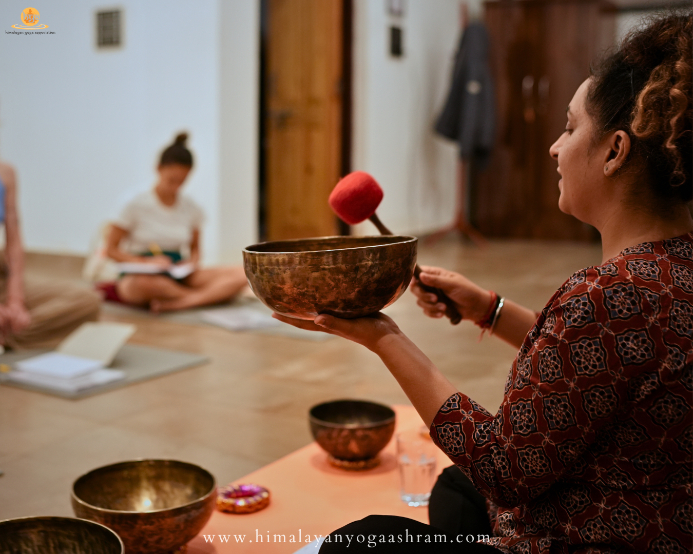
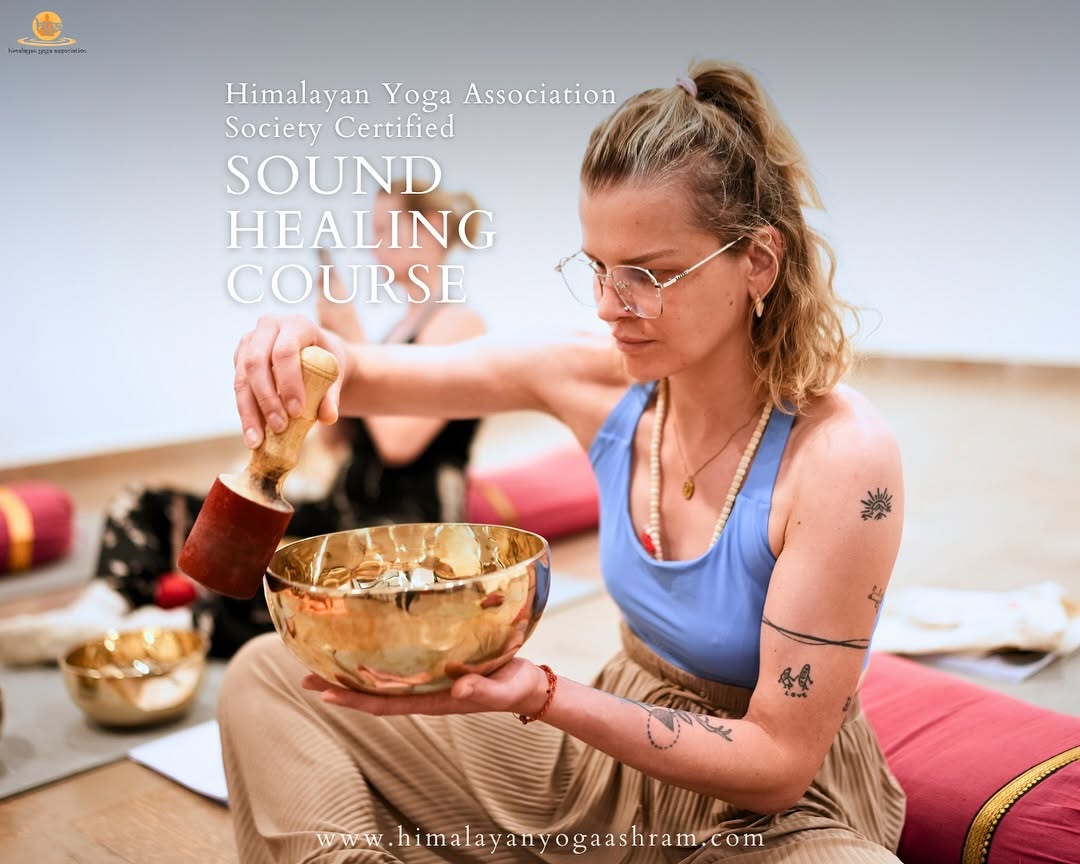
At Himalayan Yoga Association, foundational training begins with singing-bowl techniques before students progress into additional instruments and more advanced applications in later levels.
As training continues, students get introduced to more instruments such as gongs, tuning forks, crystal bowls etc. Students will also learn about shamanic drums, ocean drums, rain sticks and tingsha, depending on the level of the course. There is a vibration for every instrument and knowing when to use each one is an art.
It is not just technique that is taught, but the theory behind each instrument. It’s more meaningful than taking instructions, because you are aware of the reason behind the use of a specific tone in relaxation, or why certain frequencies are used to balance chakras.
There are no time rush trials either. Pupils are given multiple opportunities to practise a variety of techniques, feedback and revision. This repetition is important because it takes more than one try to become confident on an instrument in one class.
Chakra Work and Healing Practices
Some Sound Healing programs incorporate the seven-chakra framework as part of their yogic or energy-based curriculum. Students may learn how singing bowls and other instruments are traditionally paired with chakra-focused practices and how these concepts are incorporated into a guided session.
Chakra models belong to traditional and contemporary wellness frameworks and should not be confused with medical diagnosis. A Sound Healing student should not be trained to diagnose physical or mental-health conditions unless they hold separate professional qualifications that allow them to do so.
Practical classes demonstrate to students the identification of blocked/charged chakras, both for themselves and for future clients. From there, students will learn how to use certain tones and instruments to assist in the clearing of these blockages. This exercise is a practical chakra work that can be one of the most powerful exercises of the class.
Students receive larger healing skills than the chakra balancing. This encompasses ways to relieve stress, manage pain and establish peaceful group events with sound baths. At the end of training, students possess a real toolbox that they can confidently use with future clients.
This section of the course can be unexpected. Many come expecting to just learn how to play an instrument; they leave with far more knowledge of energy, emotion and the way in which the body stores stress. This change in attitude is a lasting effect of the course.
A Typical Day of Training
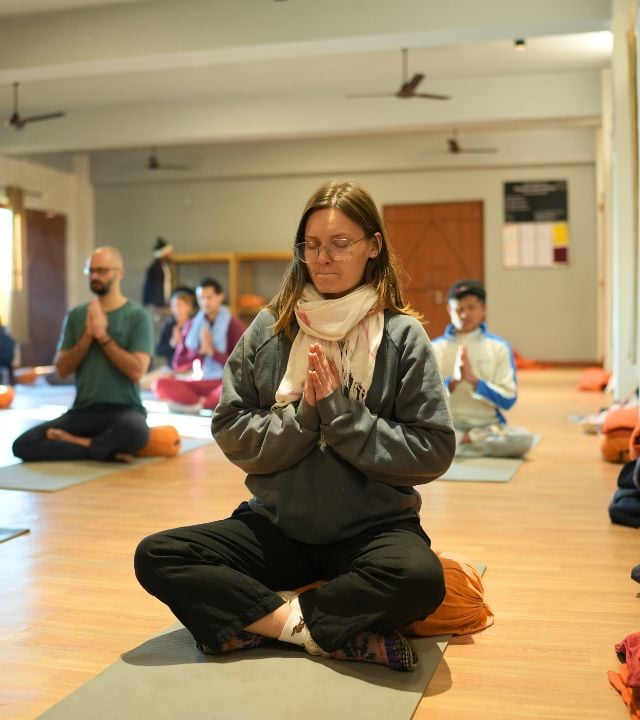
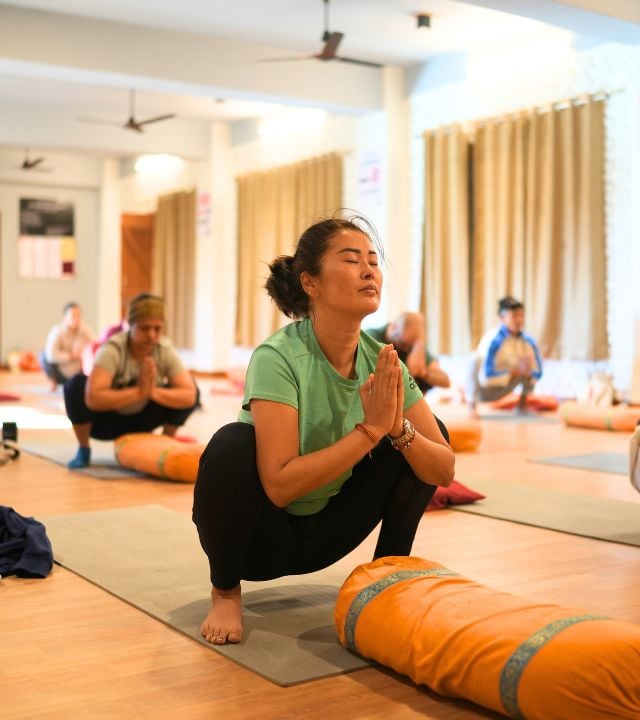
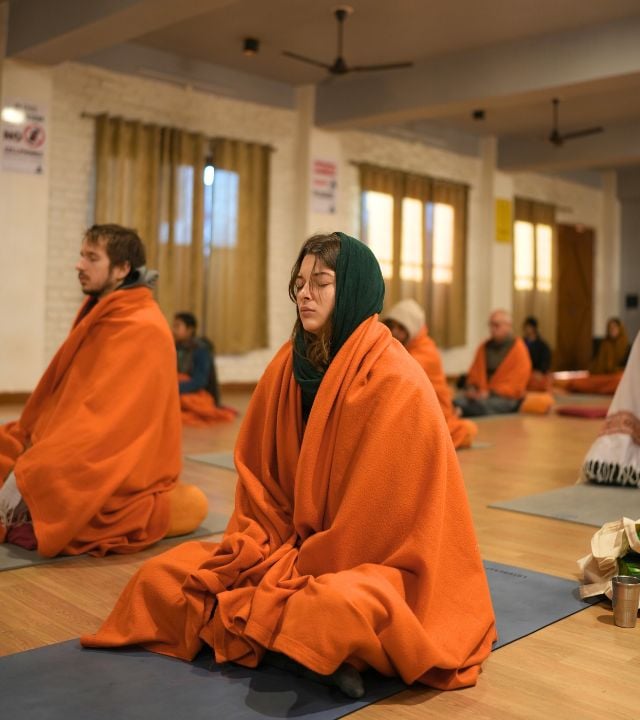
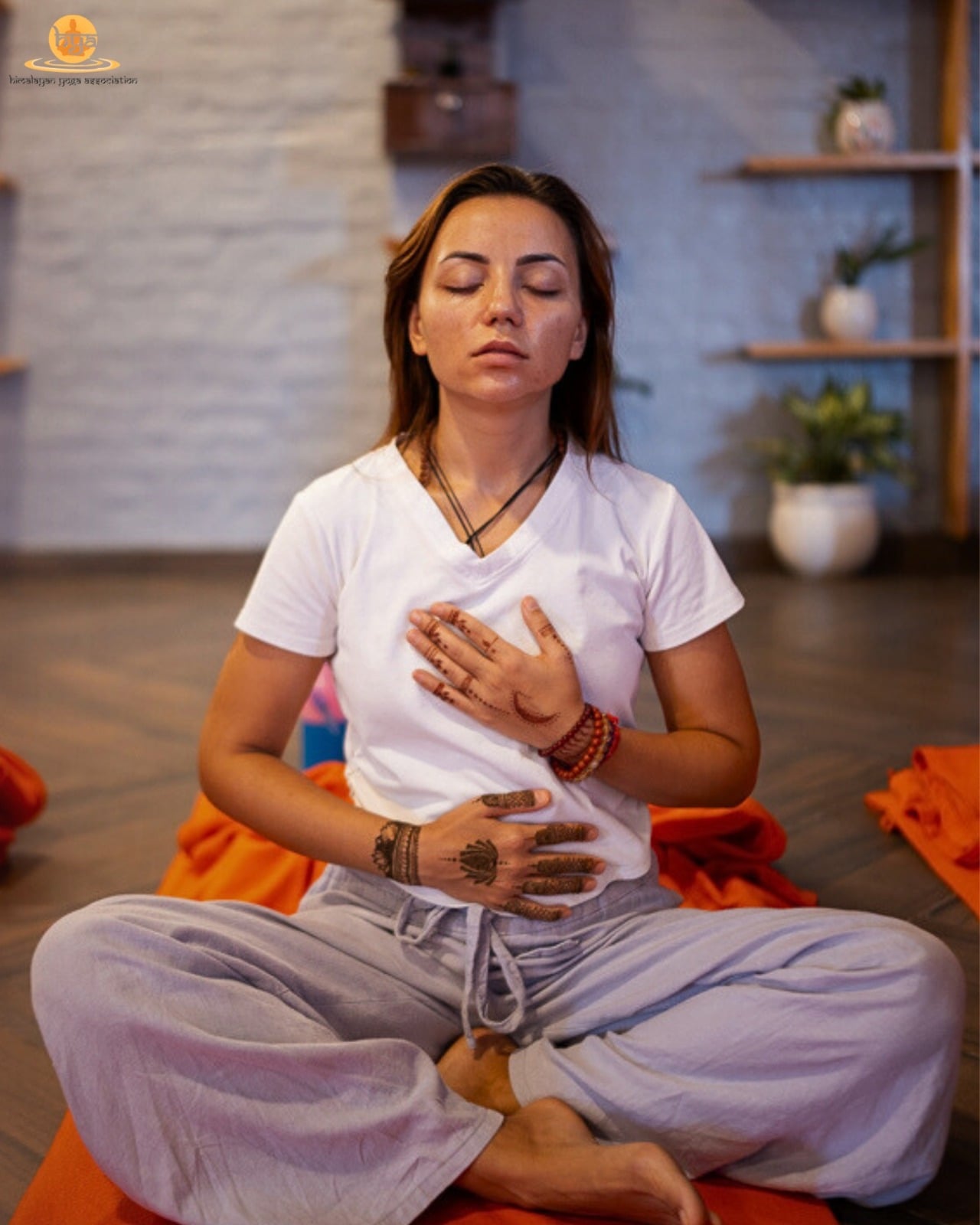
Generally, the days begin early in the morning, maybe with a short meditation or breathing exercise before breakfast. The initial approach is gentle so as to relax the mind and introduce the students to the more lively learning that is to follow. One of the most favorite thing of the entire sound healing Rishikesh experience is this.
Morning sessions are directed towards theory and technique after breakfast. Teachers educate about the science of sound healing, including the science of frequency, vibration and the effect of sound on the nervous system. The content of these sessions will be a blend of lecture and open discussion which will allow students to ask questions freely.
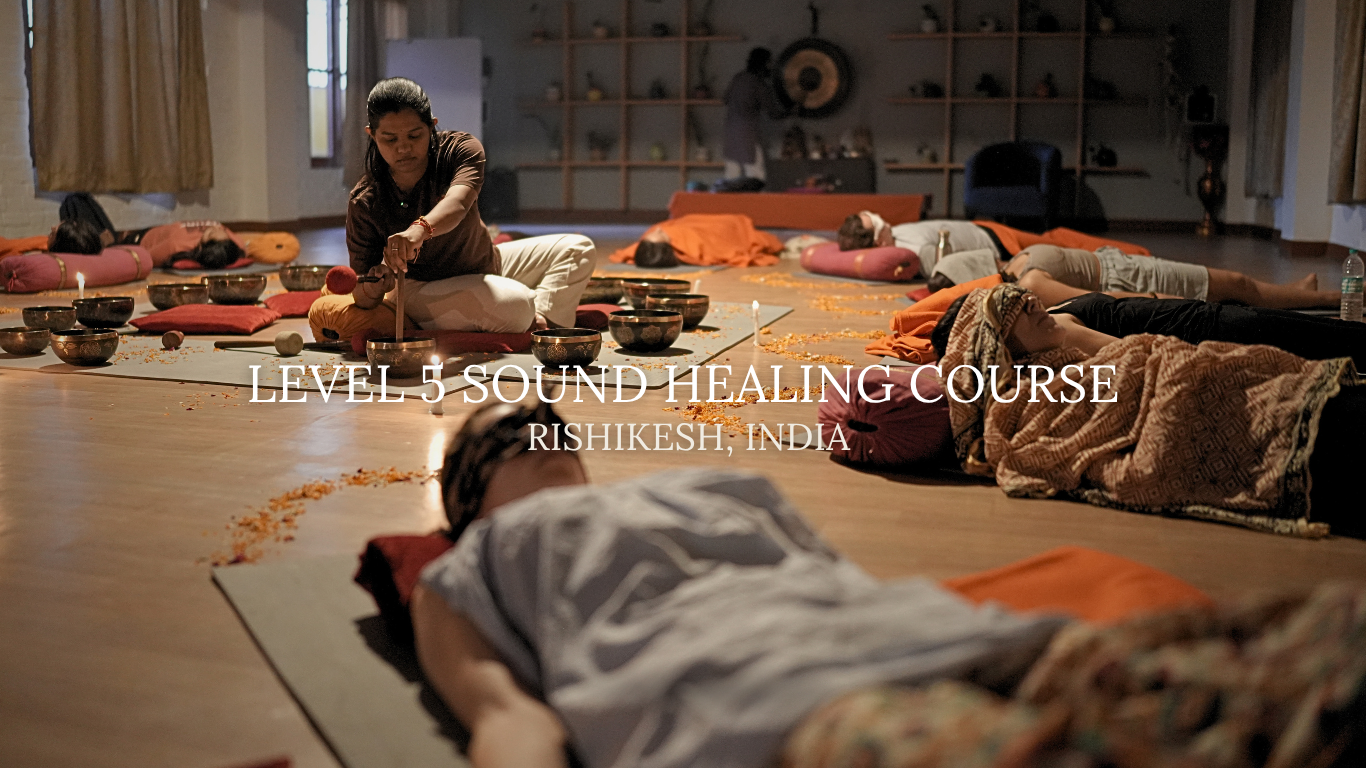
Working practice will usually take place in the afternoon. It is here that the students learn how to play the instruments, such as Tibetan singing bowls, gongs, tuning forks and chimes. Small classes, and instructor and feedback corrections during class.
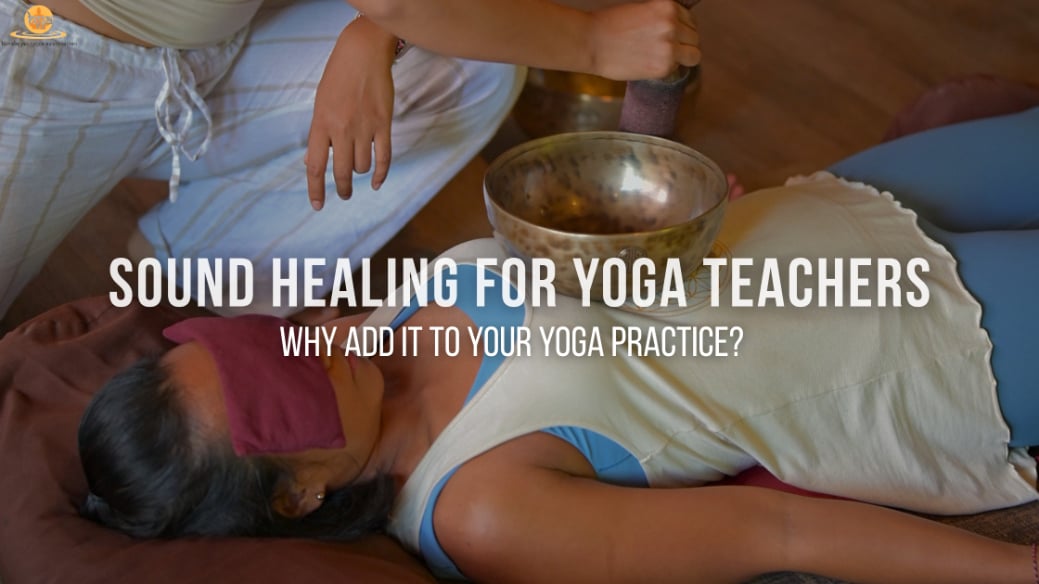
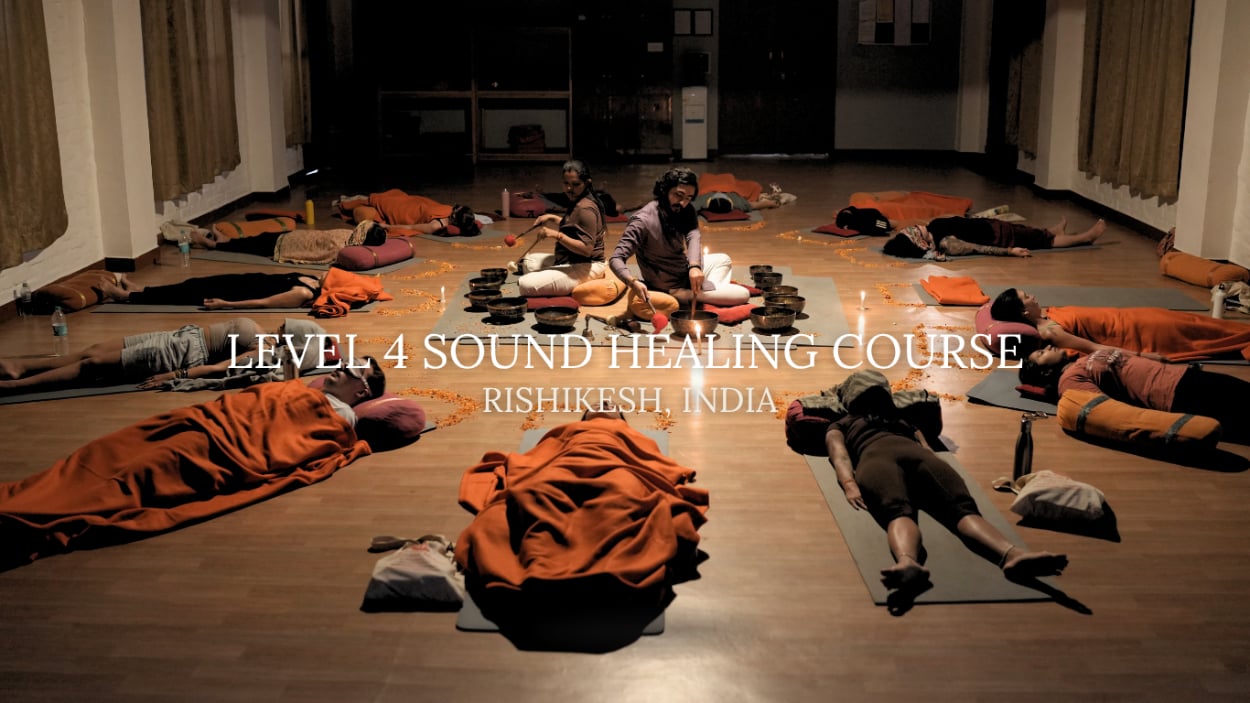
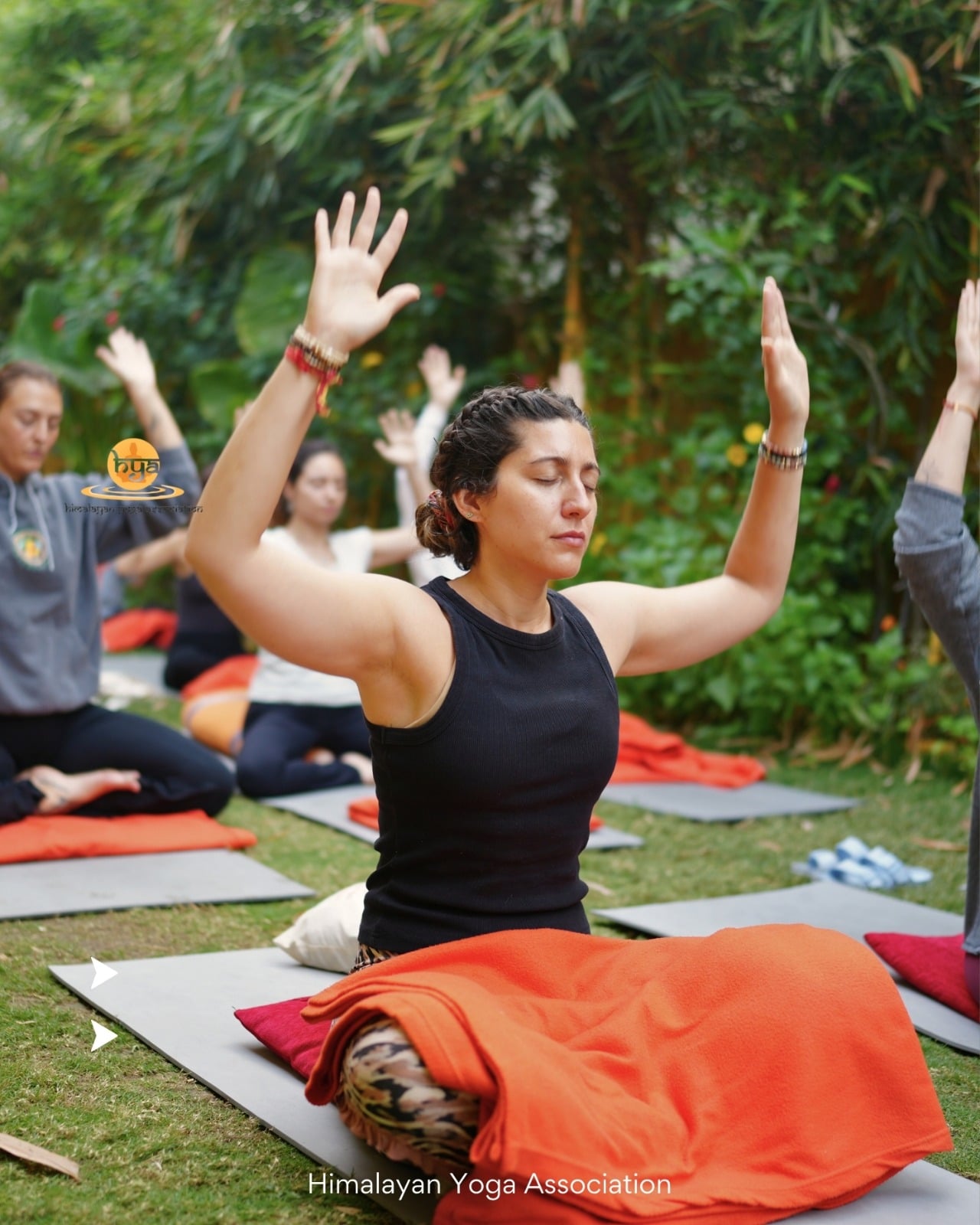
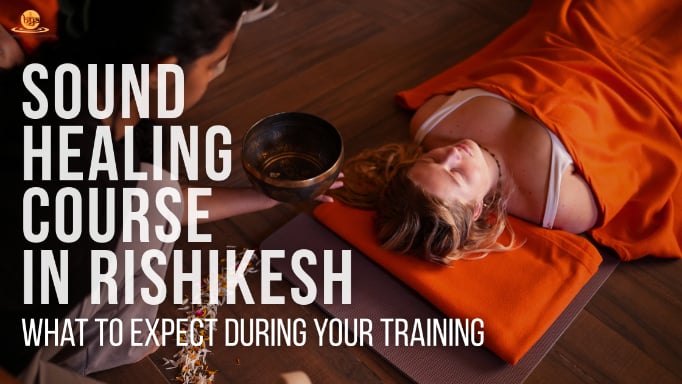
In addition, a group practice session or guided sound bath is held at the end of the day. This enables students to learn skills first hand, not as a reader, and to fully understand the material.
At the end of the day, most pupils are tired and relaxed. The program continues to be very busy, but not rushed. Leave ample “space” between lessons for students to reflect and consolidate learning before discussing the next lesson.
Accommodation, Meals, and Campus Life
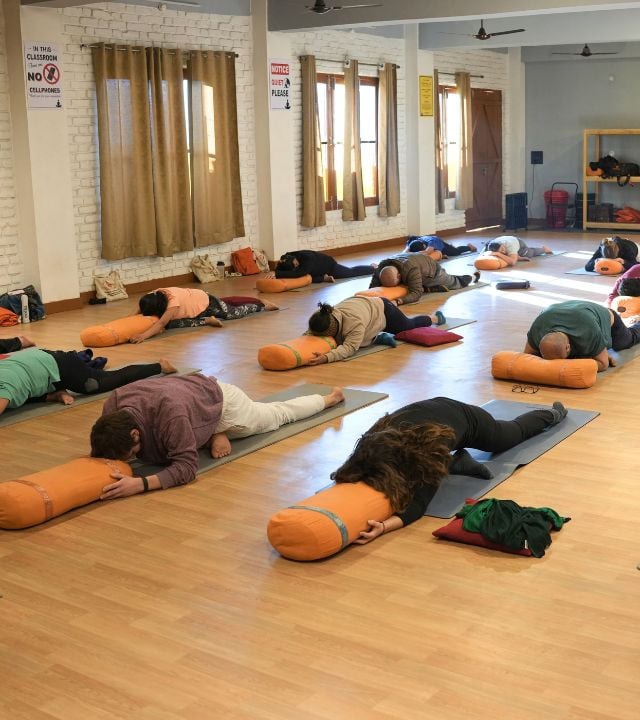
Most sound healing courses in Rishikesh are residential, meaning that the students live in the campus during the duration of the course. Simple, clean and comfortable rooms are provided for rest after a full day’s course of learning and practice.
Vegetarian fresh prepared according to sattvic diet which is promoted with yogic and healing practices. Pupils say the food is a part of the experience, helping them to stay energised and feel good inside.
Campuses can also feature a swimming pool, an in-house Ayurvedic spa and more. The additions have been made to allow pupils to rest and refresh themselves during the high intensity training sessions but not to make the training overwhelming.
The internet can also usually be accessed throughout campus and students can keep up to date with their family at home without being an island. However, most students state that they find that they spend much less time than they anticipated using their phones, just because days are full and satisfying without them.
Certification After Course Completion
Upon completion of training, students are awarded a formal certification. Courses at HYA are recognised by the International Yoga Organisation and the certificate is therefore internationally recognised. This recognition is important to students who are going to pursue the profession of teaching or practicing sound healing as a career.
There is no one who gives certificates to those who attend. Students show competence in performing and leading a simple healing session, confidently using instruments. This makes sure that the certificate is truly representative of the skills that have been acquired during the course.
Graduates leave with more than just a piece of paper. They get hands-on experience, to learn the theory, and enough confidence to begin conducting sessions themselves immediately.
Who Should Join This Course
The course is for everyone and not just for those who want to embark on a full-time healing career. Yoga teachers frequently come in to offer sound healing as a new addition to their regular classes. Also, wellness practitioners and therapists have real value in increasing their skill set.
There are other reasons why students join such as curiosity, to grow personally, etc. The training provides meaningful takeaways for all levels of experience, whether the intent is to relieve stress, improve sleep or gain deeper self-awareness.
Final Thoughts Before You Enroll
Enrolling in a sound healing course in Rishikesh is more than just a new skill acquisition; it’s a commitment to a transformative journey. It’s a place where you come with your senses ready to learn and grow in a quiet place among the mountains of the Himalayas and the Ganges.
Knowing what to expect when looking for the best sound healing course in Rishikesh is always beneficial and lessens the uncertainty. This is true for both daily practice and real world instrument training, every part of the course is structured to build long lasting and meaningful skills. Not only do students get certified, they get empowered!